
Lenovo Legion C700: New Gaming Handheld Prioritizes Lightweight Design
Lenovo's upcoming Legion C700 gaming handheld is set to prioritize a thin and light build, measuring just 14.9mm and weighing 556 grams. It will feature a 7.82-inch 120Hz display and TMR thumbsticks.

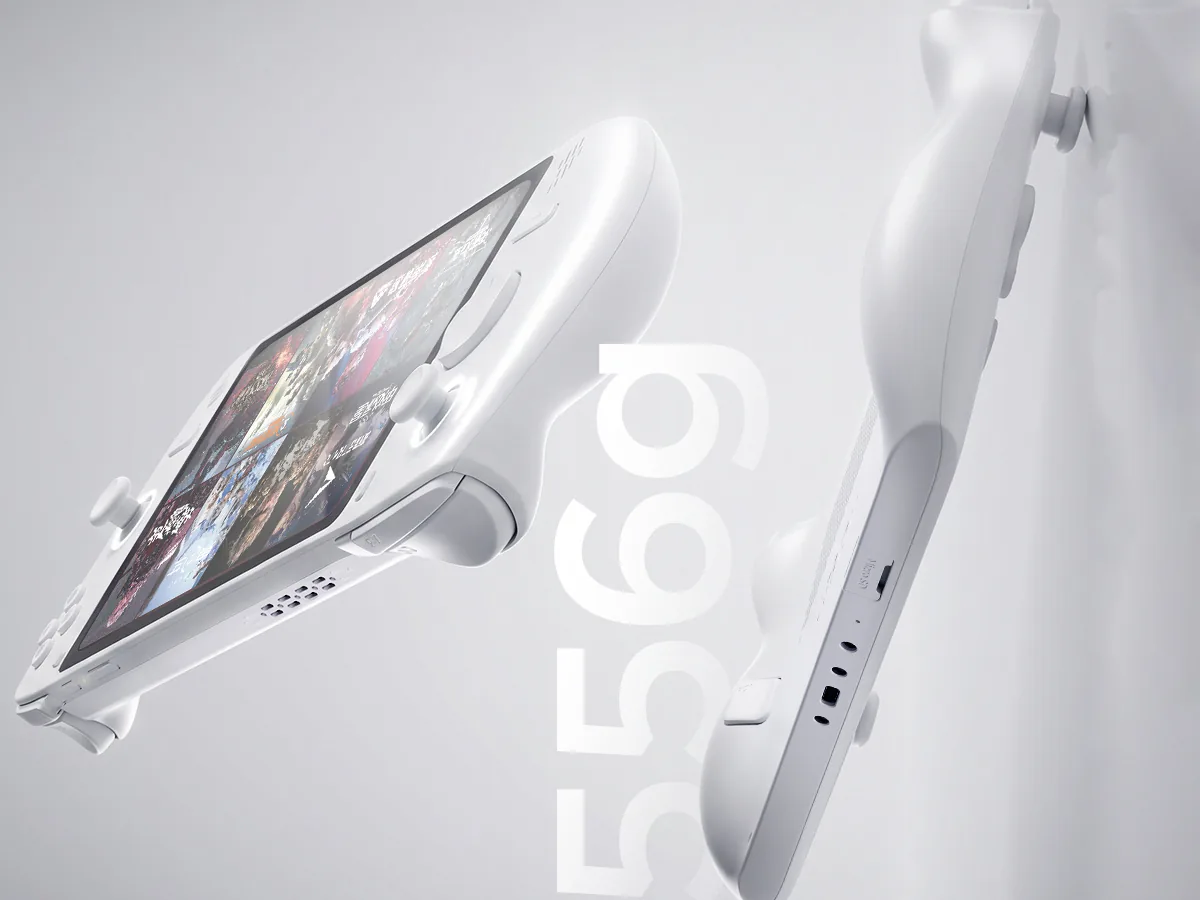
Lenovo is gearing up to launch its new Legion C700 gaming handheld in China this August 2026, offering a fresh take on portable gaming with a strong emphasis on a lightweight and slim design. Recent teasers from the company have revealed key specifications, including a vibrant 7.82-inch display boasting a 120Hz refresh rate, promising a fluid and responsive visual experience for gamers. The device also incorporates TMR (Tunnel Magneto-Resistive) thumbsticks, a technology designed to combat the persistent issue of "stick drift" that plagues many modern controllers.
Further details shared by Lenovo highlight the C700's exceptionally slender profile. The handheld measures a mere 14.9mm in thickness, significantly thinner than its predecessors and competitors. For context, the Legion Go S stands at 22.6mm, and the ROG Ally X is even thicker at 24.7mm. This deliberate design choice suggests the C700 is engineered primarily as a cloud gaming device, where extensive internal hardware might be less critical than portability and screen quality. Lenovo has also emphasized its light weight, confirming it tips the scales at approximately 556 grams, or about 1.25 pounds. This makes it notably lighter than many existing gaming handhelds, such as the Legion Go, which weighs around 730 grams, and the ROG Ally X at approximately 678 grams.
Design and Performance Considerations
The focus on a thin and light build for the Legion C700 implies that internal components may not be as high-powered as some other devices on the market. However, as a cloud gaming handheld, its performance will largely depend on the quality of its network connection and the processing power of the servers it connects to. It is widely speculated that the device will operate on the Android platform, a common choice for portable gaming devices of this nature. Even with an Android OS, a capable System-on-Chip (SoC) should allow it to run a variety of PC games streamed from cloud services.
The partnership between Lenovo and Tencent for the development and potential release of the Legion C700 is another significant aspect. This collaboration might influence the device's availability and the types of games or services it prioritizes. It's possible that the C700 may not receive a widespread global launch, with its initial release focused on the Chinese market. The company has not yet disclosed all the specifications, leaving room for further announcements regarding its internal hardware, battery life, and connectivity options. Gamers are eager to see how the Lenovo Legion brand continues to innovate in the competitive handheld gaming sector.
The market for gaming handhelds has seen a surge in recent years, with manufacturers like Valve, ASUS, and Lenovo itself introducing powerful devices capable of running PC games natively. While devices like the Steam Deck and Legion Go offer robust local performance, there is a growing segment of the market interested in lighter, more streamlined options optimized for cloud streaming. The Lenovo Legion C700 appears positioned to capture this niche, potentially offering a more accessible entry point for consumers interested in exploring cloud gaming without the bulk of traditional high-performance handhelds. The inclusion of TMR thumbsticks addresses a common user complaint, and the emphasis on a 120Hz display signals a commitment to visual fidelity, even in a device designed for remote play.