
EU Exempts Apple Watch, AirPods From User-Replaceable Battery Rules
The European Commission has exempted wearables like Apple Watch and AirPods from new rules requiring user-replaceable batteries. The decision cites safety risks and design limitations.

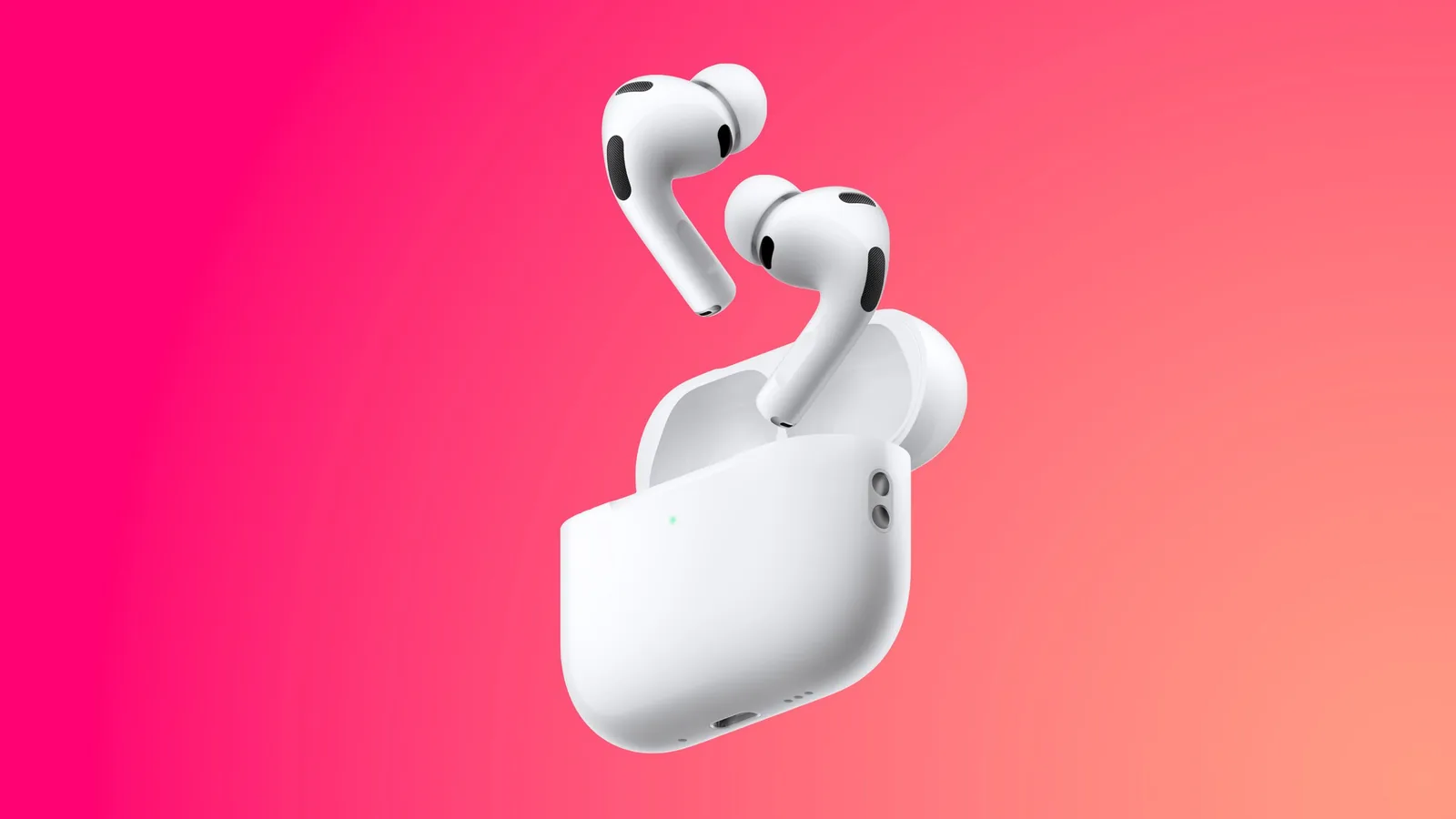
The European Commission has granted exemptions from its stringent Batteries Regulation, effectively freeing devices such as the Apple Watch and AirPods from a mandate requiring user-removable and replaceable batteries. This regulatory adjustment, announced yesterday, means these popular gadgets will not need to comply with a rule designed to extend product lifespans and facilitate material recycling.
The EU's Batteries Regulation, part of a broader sustainability push, generally mandates that consumer products sold within the bloc allow users to easily swap out their batteries. The Commission, however, has expanded its list of product categories exempt from this requirement, now including wearables like smartwatches and fitness trackers. The rationale behind these exemptions largely mirrors the reasoning for pre-existing exemptions for products like electric toothbrushes. Officials cited concerns that opening compact, sealed device enclosures could compromise water resistance and introduce safety hazards if not properly resealed.
Furthermore, products can be exempt if their inherent construction makes battery removal excessively dangerous or if current manufacturing methods do not realistically allow for user-accessible battery compartments. These new categories directly address the design of devices like the Apple Watch, AirPods, and Meta's smart glasses, which often feature small, sealed constructions. The decision follows months of advocacy from U.S. officials who raised concerns that the original rules could impede the launch of new products, such as Meta's latest display-equipped smart glasses, in Europe.
Design Challenges and Safety Concerns Drive Exemptions
The iPhone itself was already exempt from the battery removability rule under the initial regulation, with justifications citing its battery cycle life and water resistance ratings. Apple currently provides battery service through its retail stores, authorized repair providers, and its Self Service Repair program, which allows consumers to perform certain repairs, including battery replacements, themselves. However, not all manufacturers have received similar accommodations. Nintendo, for instance, has stated it will offer a version of its upcoming Switch 2 console in the EU equipped with a user-replaceable battery to meet regulatory demands.
This regulatory shift acknowledges the complex engineering challenges and potential safety issues associated with designing small, powerful, and water-resistant electronic devices. For companies like Apple, user-replaceable batteries in devices as compact as the Apple Watch or AirPods would necessitate significant redesigns, potentially impacting performance, durability, and aesthetics. The Commission's updated stance provides clarity for manufacturers navigating these intricate trade-offs between sustainability goals and product design realities.
The delegated act must still undergo scrutiny by the European Parliament and the Council of the EU. If neither body objects, it is set to take effect 20 days after its publication in the Official Journal of the EU. This timeline places it ahead of the regulation's broader implementation, scheduled for 2027, providing a period for adaptation and compliance. The move is seen as a pragmatic adjustment, balancing environmental objectives with the practicalities of modern consumer electronics manufacturing and user safety.