
Apple's Foldable iPhone Ultra May Boast Modular, Repairable Design
New leaks suggest Apple's first foldable iPhone, the "iPhone Ultra," will feature a highly modular and repairable internal design, a significant departure from current market offerings.

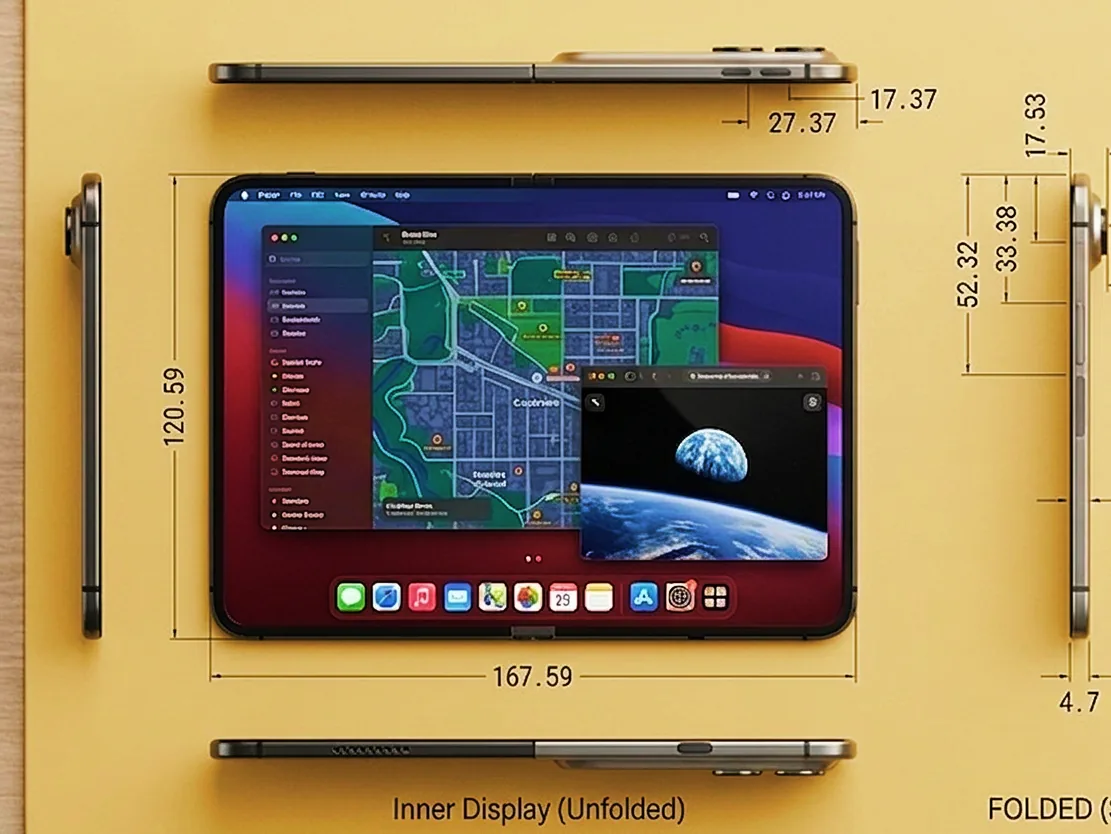
Apple's highly anticipated foldable smartphone, reportedly dubbed the "iPhone Ultra," could differentiate itself from competitors by prioritizing an exceptionally modular and repairable design. Leaked information from a reliable source indicates that the device will feature an internal architecture engineered for easier disassembly, a stark contrast to the often-difficult repair processes associated with current foldable phones.
The foldable smartphone market has consistently grappled with repairability challenges. Devices like Samsung's Galaxy Z Fold and Google's Pixel Fold are complex to service due to delicate ribbon cables and densely packed components, often leading to costly or impossible repairs. However, the purported design of the iPhone Ultra aims to overcome these hurdles through what is described as "logical yet elegant" component stacking, minimizing the complex cable routing that plagues other foldables.
According to the leaks, Apple has strategically relocated various hardware elements to enhance internal space and simplify the repair process. The volume buttons, for instance, are rumored to be moved to the top edge of the device, a configuration supported by some design renders. This repositioning, along with placing the motherboard on the right side, allows cables to run more directly upward, significantly streamlining the disassembly procedure and enabling a high degree of modularity.
Internal Innovations and Key Features
This focus on repairability is not the only innovation expected from the iPhone Ultra. The device is anticipated to feature a substantial 7.8-inch inner display complemented by a 5.5-inch cover screen. Powering this foldable technology will likely be the A20 Pro chip. Despite its slim profile, the efficient internal layout is also rumored to accommodate the largest battery ever integrated into an iPhone, with an estimated capacity of 5,400 mAh. This suggests Apple is aiming for significant battery life, a crucial factor for any premium smartphone.
Further leaked specifications hint at the inclusion of Touch ID, a dedicated Camera Control button, and an eSIM-only configuration, aligning with Apple's recent trends towards removing physical SIM trays. The expected price point is around $2,000, positioning the iPhone Ultra as a top-tier, premium offering in the burgeoning foldable market. Industry analysts suggest that if these design elements prove accurate, the iPhone Ultra could not only become a major validation for Apple's entry into the foldable space but also pose a significant challenge to existing manufacturers.
The potential debut of the foldable iPhone is slated for September, potentially launching alongside the iPhone 18 Pro models. This timing places it directly in competition with established players and other upcoming foldable releases. The emphasis on a repairable design, if realized, would represent a unique selling proposition in a market segment that has, until now, prioritized form factor and innovative screen technology over user serviceability.
The strategic engineering behind the Apple foldable aims to set a new standard. By moving away from the intricate internal layouts that have made other foldable phones notoriously difficult and expensive to repair, Apple appears to be leveraging its extensive engineering prowess to create a device that is both technologically advanced and practically user-friendly for maintenance. This approach could significantly influence future product development across the entire smartphones industry.