
Antarctic Sea Ice Plummets as Ocean Heat Rises
Antarctic sea ice has entered a sharp decline, a sudden shift from its historical resilience. Rising ocean heat now threatens the continent's unique ecosystems and global climate.

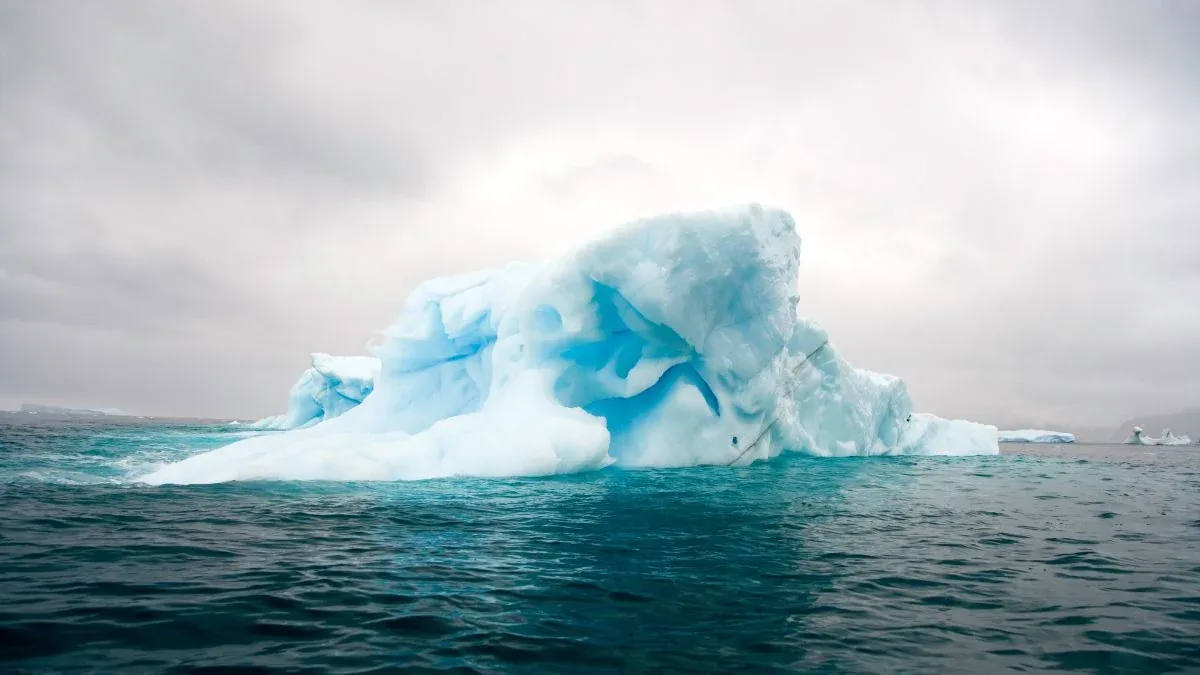
For decades, Antarctica stood as a bulwark against the warming planet, its sea ice seemingly unfazed by rising global temperatures. However, this long-held resilience has shattered, with Antarctic sea ice extent experiencing a dramatic and unexpected plunge since 2015. Last year, 2023, saw winter sea ice reach record lows, a statistical anomaly so profound that scientists estimate its occurrence by chance to be a one-in-3.5-million event. This rapid downturn has scientists concerned, as it deviates significantly from predictions made by climate models, suggesting a faster or more complex response to warming than anticipated.
The implications of this change are far-reaching. Sea ice plays a crucial role in regulating Earth's climate by reflecting sunlight back into space and driving ocean currents that sequester heat and carbon in the deep ocean. Its decline threatens to disrupt these vital processes, impacting both global weather patterns and the delicate ecosystems that depend on the icy continent.
Ocean Heat Upwelling Triggers Ice Melt
A recent scientific study reveals a fundamental shift in the ocean surrounding Antarctica. Heat, previously trapped in the deep ocean, is now migrating towards the surface, accelerating the melting of sea ice. This transformation is linked to decades of strengthening winds around Antarctica, driven by the ozone hole and greenhouse gas emissions. These intensified winds have acted as a powerful pump, gradually drawing warmer, saltier deep-ocean water closer to the surface.
Historically, the Southern Ocean maintained a distinct layering: cold, fresh water sat atop warmer, saltier water, preventing significant heat transfer. However, this barrier has weakened. By 2015, warmer deep water had risen sufficiently for powerful storms and persistent winds to churn it upwards. This initiated a self-reinforcing cycle: the upwelling of warm, salty water melts existing sea ice. The added salt from this water increases the density of the surface layer, facilitating further mixing with warmer waters below. This process makes it increasingly difficult for new sea ice to form, creating a feedback loop that perpetuates the decline.
The consequences extend beyond physical changes. Antarctic sea ice is the foundation of a unique and vibrant ecosystem. Microscopic algae that grow on and within the ice feed krill, which in turn support a food web including penguins, seals, whales, and seabirds. Reports have already linked low sea ice conditions to mass die-offs of emperor penguin chicks, placing the species' survival in jeopardy. A sustained reduction in sea ice cover would inevitably reshape the Southern Ocean's living environment.
This phenomenon is not merely a regional concern. Antarctica's vast expanse of sea ice acts as a global mirror, reflecting solar radiation and contributing to planetary cooling. As it diminishes, the ocean absorbs more heat. Concurrently, alterations in Southern Ocean circulation patterns could diminish the ocean's capacity to absorb and store heat and atmospheric carbon. Some studies suggest that Antarctica, once a buffer against global warming, may be transitioning to a state that accelerates it, though whether this shift is permanent remains uncertain. If these low ice conditions persist, the Southern Ocean could transition from a climate mitigator to a catalyst for amplified global warming, according to research from institutions like the University of Southampton and UNSW Sydney.