
AI Transport Systems Transform Urban Mobility in 2026
Artificial intelligence is now reshaping how cities manage traffic flow, reduce congestion, and optimize public transit networks across the United States in 2026.

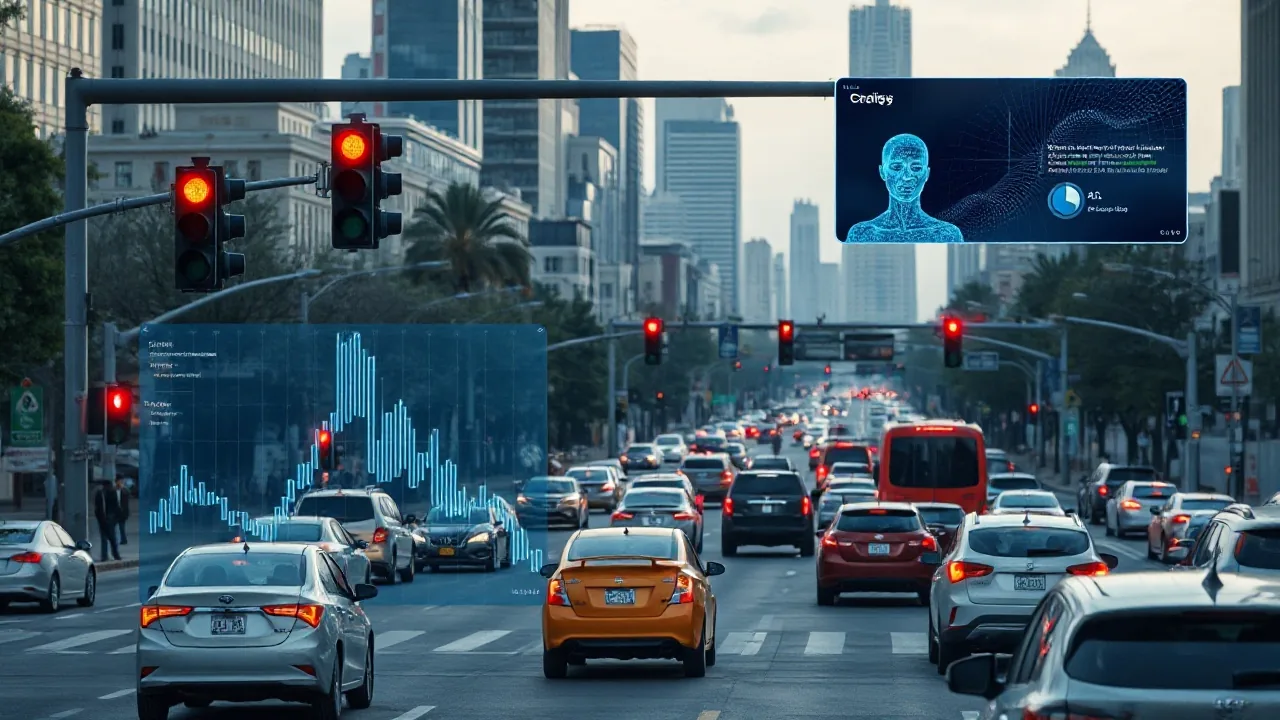
San Francisco's Department of Transportation deployed a machine learning traffic management system in July 2026 that reduced peak-hour congestion by 18 percent within the first month, marking a significant milestone in how US cities are leveraging AI to reimagine urban mobility. The system processes real-time data from 3,400 traffic signals and coordinates them across 47 square miles of downtown and surrounding neighborhoods.
This shift reflects a broader transformation underway in American cities. AI transport systems are no longer experimental pilots confined to tech hubs. They are becoming operational infrastructure that shapes how millions of commuters move through urban cores every day.
Dr. Elena Voss, director of transportation innovation at the Urban Land Institute, stated: "What we're seeing in 2026 is the maturation of predictive traffic models. Cities are moving beyond simple signal timing into dynamic, adaptive networks that learn from patterns and adjust in real time." Voss has tracked deployment trends across 40 major metropolitan areas over the past three years.
How AI Is Optimizing Traffic and Transit
Smart cities are integrating AI across multiple transportation layers. Machine learning algorithms now predict traffic bottlenecks up to 45 minutes in advance by analyzing historical patterns, weather data, event schedules, and live sensor feeds. When a bottleneck is predicted, the system can preemptively adjust signal timing, alert public transit operators to add vehicles, or suggest alternative routes through navigation apps.
Public transit agencies are also benefiting. In Chicago, an AI scheduling system deployed in May 2026 reduced bus bunching (when multiple buses arrive simultaneously) by 22 percent. The system adjusts bus departure times and routes dynamically based on real-time passenger demand estimates and traffic conditions.
Key AI applications reshaping urban mobility include:
- Traffic signal optimization using neural networks trained on years of movement data
- Predictive demand modeling for buses, trains, and bike-share systems
- Incident detection and response coordination via computer vision and sensor networks
- Dynamic pricing for congestion zones based on real-time traffic severity
- Integration of autonomous vehicle fleets with human-driven traffic management
These systems are generating measurable outcomes. Boston reported a 15 percent reduction in average commute times after implementing an AI traffic coordinator in March 2026. Los Angeles saw a 12 percent increase in public transit ridership after deploying predictive service adjustments tied to AI demand forecasts.
Autonomous Systems and the Path Forward
Autonomous systems are accelerating the adoption of AI transport solutions. As self-driving vehicles begin sharing city streets with human drivers, traffic management systems must account for vehicle types that communicate directly with infrastructure. This creates opportunities for tighter coordination and safer transitions.
By August 2026, 14 US cities have authorized limited autonomous shuttle services in defined zones, and most are using AI traffic management systems to prioritize safety and flow. Miami's autonomous shuttle pilot integrates with the city's AI signal network, allowing priority lanes to be dynamically created based on demand and congestion patterns.
The future of transport increasingly depends on how well these systems work together. Integration challenges remain, however. Legacy traffic infrastructure in older cities often lacks the sensor density and data connectivity that modern AI systems require. Retrofit costs in some cases exceed initial deployment estimates by 30 to 40 percent.
Cybersecurity is another pressing concern. In June 2026, Dallas experienced a partial traffic management outage when a vulnerability in its AI system's API was exploited. No accidents resulted, but the incident prompted the US Department of Transportation to issue new security guidelines for AI-powered traffic infrastructure.
Despite these hurdles, investment continues to accelerate. Municipal bonds and federal grants directed toward AI transport infrastructure totaled $4.2 billion in 2026, up 31 percent from 2025. Tech firms including Waymo, Tesla, and traditional infrastructure companies like Siemens are all competing for contracts to deploy and maintain these systems.
The human impact is already visible on city streets. Commuters report less frustration with unpredictable delays. Delivery drivers see faster routes. And city planners now have data-driven insights into which corridors need physical upgrades versus software optimization.
As more cities implement AI transport networks, a new standard is emerging: urban mobility is becoming a managed, learning system rather than a static network. By the end of 2026, over 50 US cities will have operational AI traffic management systems. That shift from reactive to predictive, and from static to adaptive, represents one of the most significant changes to how Americans move through cities in decades.