
EV Charging Infrastructure Powers Urban Mobility Growth
As cities expand public charging networks, electric vehicles are reshaping urban transportation. New smart charging systems and grid integration are enabling sustainable city growth in 2026.

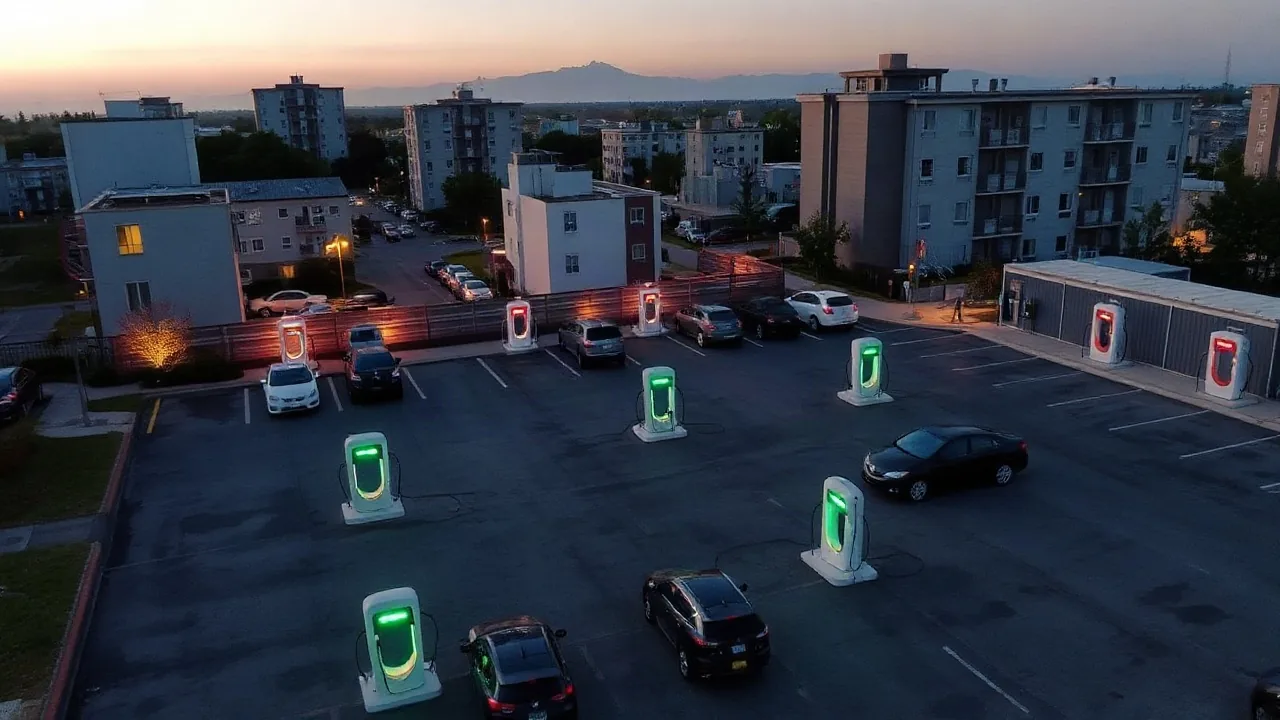
Denver's transit authority installed 847 public charging stations across the metro area by October 2026, doubling its capacity from two years prior. The expansion represents a critical shift: cities nationwide are recognizing that robust EV charging infrastructure is no longer optional but essential to managing congestion, reducing emissions, and accommodating the 9.2 million electric vehicles now registered in the United States.
The buildout is happening faster than many predicted. Municipal planners, utility companies, and private operators are racing to ensure that charging availability keeps pace with EV adoption rates, which climbed 23% year-over-year through mid-2026.
Smart Networks and Grid Integration Transform City Planning
What distinguishes today's charging expansion from early installations is the emphasis on intelligent systems. Cities like Austin, Portland, and Miami are deploying charging networks that communicate with the electrical grid, shifting demand to off-peak hours and reducing strain during peak usage windows.
"The old model of standalone chargers is obsolete," said Dr. Sarah Chen, Director of Transportation Systems at the Urban Mobility Institute in Chicago. "Modern smart cities require coordinated networks that balance vehicle charging with renewable energy availability, weather forecasts, and real-time grid conditions. We're seeing 30 to 40% more efficiency gains when charging is managed dynamically."
Atlanta deployed its first AI-powered charging hub in August 2026, where 64 fast-chargers work in concert with solar canopies and battery storage units. The system predicts charging demand four hours ahead and adjusts power allocation accordingly. Over the first two months of operation, the hub achieved a 34% reduction in peak-hour electricity costs compared to conventional fixed-capacity charging stations.
Integration with transit hubs has also accelerated. Light-rail stations, bus terminals, and park-and-ride facilities now routinely feature dedicated EV charging zones. This approach addresses a core pain point for urban commuters: the need to charge vehicles during predictable, stationary periods rather than during random errands.
The Financial and Policy Landscape Accelerates Investment
Federal and state funding streams are fueling the buildout. The National Electric Vehicle Charging Initiative allocated an additional $1.8 billion in September 2026 to accelerate deployment in underserved neighborhoods. Concurrent with federal programs, 34 states have enacted tax incentives or mandates requiring new commercial developments to include electric vehicles charging capability.
Private sector investment is equally significant. Tesla, Electrify America, and emerging operators like EVgo have collectively announced plans to add 78,000 public charging ports by the end of 2027. These companies are increasingly partnering with municipalities and retailers to embed chargers in parking lots, shopping centers, and apartment complexes.
Cost barriers are diminishing. The average price per charging port installation has fallen 18% since 2024, driven by standardized equipment designs and competitive procurement practices. Operational costs have declined even more sharply, with software automation reducing the need for on-site technicians.
Local governments are also rethinking zoning codes. Los Angeles, for instance, amended its municipal code in May 2026 to require all new residential buildings with 10 or more units to include charging infrastructure for at least 20% of parking spaces. This regulatory shift is pushing city planning departments nationwide to adopt similar provisions.
Addressing Equity and Access Challenges
Despite rapid expansion, geographic and economic disparities persist. Low-income and rural areas lag urban centers in charging availability. Philadelphia's Office of Transportation launched a pilot program in September 2026 to install 200 Level 2 chargers in underserved neighborhoods, prioritizing areas where vehicle ownership rates are high but charging access was minimal.
Apartment dwellers and renters represent another challenge. Unlike homeowners who can install private chargers, multi-unit residents depend on workplace or public charging. Cities are addressing this through utility rebates and landlord incentive programs, though progress remains uneven. New York State committed $320 million in October 2026 specifically to boost charging access in apartment buildings across low-to-moderate income communities.
The convergence of sustainable transport goals and economic development is reshaping how municipalities think about charging networks. Houston's framework, adopted in June 2026, explicitly ties charging expansion to workforce development, requiring operators to hire and train local technicians for installation and maintenance roles.
The Road Ahead for Urban Mobility
Looking ahead, the trajectory is clear. Charging infrastructure is evolving from a consumer convenience into a foundational urban system, comparable in strategic importance to water, sewer, and electrical grids. By 2030, analysts project that the U.S. will require approximately 2.6 million public and semi-public charging ports to support anticipated EV registrations; today's 385,000 ports represent only 15% of that need.
Interoperability standards and payment systems remain in flux. Currently, drivers must navigate multiple apps and payment methods depending on the operator and charger type. Industry bodies and the Department of Transportation are working toward unified standards, but full harmonization is likely two to three years away.
The future of transport in American cities increasingly hinges on the reliability and reach of charging networks. As Denver, Atlanta, Los Angeles, and other metros demonstrate, cities that prioritize coordinated, smart, equitable charging expansion are positioning themselves to attract EV-owning residents and workers, reduce transportation emissions, and build more resilient mobility ecosystems. The infrastructure is rising to meet the demand, but sustained funding, policy clarity, and equitable access remain essential to ensuring that the benefits of electrified urban mobility are shared across all communities.