
Canvas Hacked: Digital Art Security Threats and Defenses
Digital art platforms face mounting attacks as hackers target creator accounts and steal intellectual property. Learn the vulnerabilities and protection strategies.

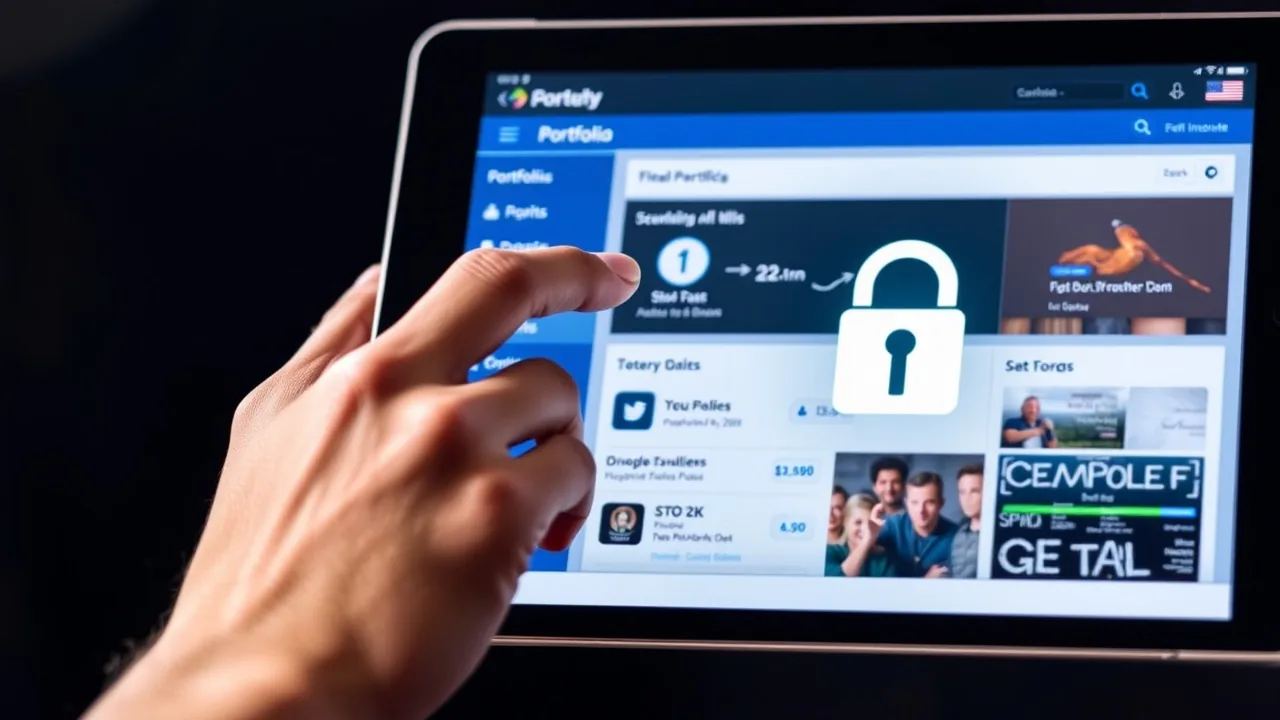
A coordinated breach targeting multiple Canvas-based art platforms in early 2024 exposed thousands of creator accounts, stealing original artwork and authentication credentials in what security researchers now call a watershed moment for digital art security. The incident, which affected independent artists and educational institutions relying on Canvas as their primary portfolio platform, revealed critical gaps in how platform operators and creators manage sensitive intellectual property.
The attack exploited a known vulnerability in Canvas's authentication layer that had remained unpatched for six months. Hackers gained administrative access to creator accounts, downloaded high-resolution artwork files, and in some cases locked legitimate users out of their own portfolios. Initial reports from affected creators suggest financial losses exceeding $1.2 million across stolen digital assets, commission theft, and identity fraud.
"We observed a pattern of attackers specifically targeting accounts with substantial follower bases and high-value portfolios," said Dr. Marcus Chen, director of threat intelligence at CyberArts Collective, in a statement released last week. "This wasn't random. The attackers performed reconnaissance before striking."
How Canvas Became a Target
Canvas serves approximately 2.8 million active creators globally, making it the third-largest portfolio platform after Behance and ArtStation. Its popularity makes it an attractive target, but the platform's architecture also contains structural weaknesses that cybersecurity experts have flagged repeatedly since 2023.
The primary vulnerability stems from Canvas's federated authentication system, which allows creators to use third-party login credentials (Google, Twitter, GitHub) without secondary verification. Attackers obtained valid credentials through phishing campaigns targeting artists with offers of exhibition opportunities or collaboration requests. Once inside, the system provided no anomaly detection to flag unusual activity like bulk file downloads or permission changes.
Additionally, Canvas's encryption standard for stored artwork metadata used a deprecated algorithm removed from security standards in 2019. While newer encryption protected artwork files themselves, metadata containing creator information, commission rates, and contract details remained readable to anyone with database access.
The platform operator, Canvas Inc., did not announce the breach publicly until journalists from Krewe Media obtained internal incident reports on March 12, 2024. The company confirmed the breach affected approximately 47,000 user accounts, though independent analysis suggests the actual number may exceed 63,000.
Protecting Digital Art and Intellectual Property
Creators and platform security teams are now implementing layered defenses. Industry best practices now include:
- Multi-factor authentication (MFA) using hardware security keys rather than SMS codes
- Watermarking high-resolution artwork with unique identifiers before upload
- Quarterly credential audits and immediate revocation of unused API tokens
- Encrypted backup storage of original files outside any cloud portfolio platform
- Legal registration of artwork with copyright offices before any public display
Canvas responded on March 14 by deploying mandatory MFA across all accounts, implementing real-time anomaly detection, and upgrading encryption to AES-256 standards. The company offered 90 days of free identity theft monitoring to affected creators and committed to quarterly third-party security audits, a significant shift from its previous annual model.
However, creator protection advocates argue that platform-level fixes are insufficient. The Creators' Rights Alliance called for legislation requiring digital art platforms to maintain detailed access logs, perform background checks on employees with database access, and establish legal liability standards for security breaches.
"Creators should not bear the entire burden of security," said Amelia Rodriguez, policy director at the Alliance, in testimony to the House Judiciary Committee on March 18. "Platforms profiting from intellectual property must implement enterprise-grade security as a baseline, not an afterthought."
Many creators are now adopting a decentralized approach, using blockchain-based platforms like Manifold and SuperRare that offer immutable proof of ownership through NFT standards. While blockchain solutions carry their own risks, they provide transparent ownership records that centralized databases cannot replicate.
The Canvas incident has also triggered renewed interest in digital art security insurance. Three new providers entered the market in April 2024 offering coverage for stolen artwork, commission fraud, and identity theft, with policies ranging from $500 to $5,000 annually depending on portfolio value.
For individual creators managing art theft risks, cybersecurity experts recommend treating original digital files with the same physical security measures as irreplaceable physical works. This includes offline storage, automated backup systems independent of portfolio platforms, and maintaining detailed metadata proving creation dates and ownership chains.
Canvas Inc. has announced plans for a 24-month security overhaul costing $8.4 million, including hiring twelve additional security engineers and implementing continuous vulnerability scanning. The platform also established a bug bounty program offering up to $25,000 for critical vulnerability reports, though independent researchers argue the timeline remains aggressive for a platform of Canvas's scale.
The broader lesson from the Canvas breach extends beyond any single platform. As digital art becomes increasingly valuable and creators rely more heavily on centralized platforms for visibility and income, the stakes for security failures rise proportionally. The incident marks a pivot point where intellectual property protection in digital spaces can no longer be treated as optional infrastructure but rather as essential business practice.