
Psychedelics Alter Brain Connectivity, New Research Reveals
New studies using advanced neuroimaging are offering a clearer picture of how psychedelic substances like psilocybin reshape brain activity and connectivity, potentially explaining their therapeutic effects.

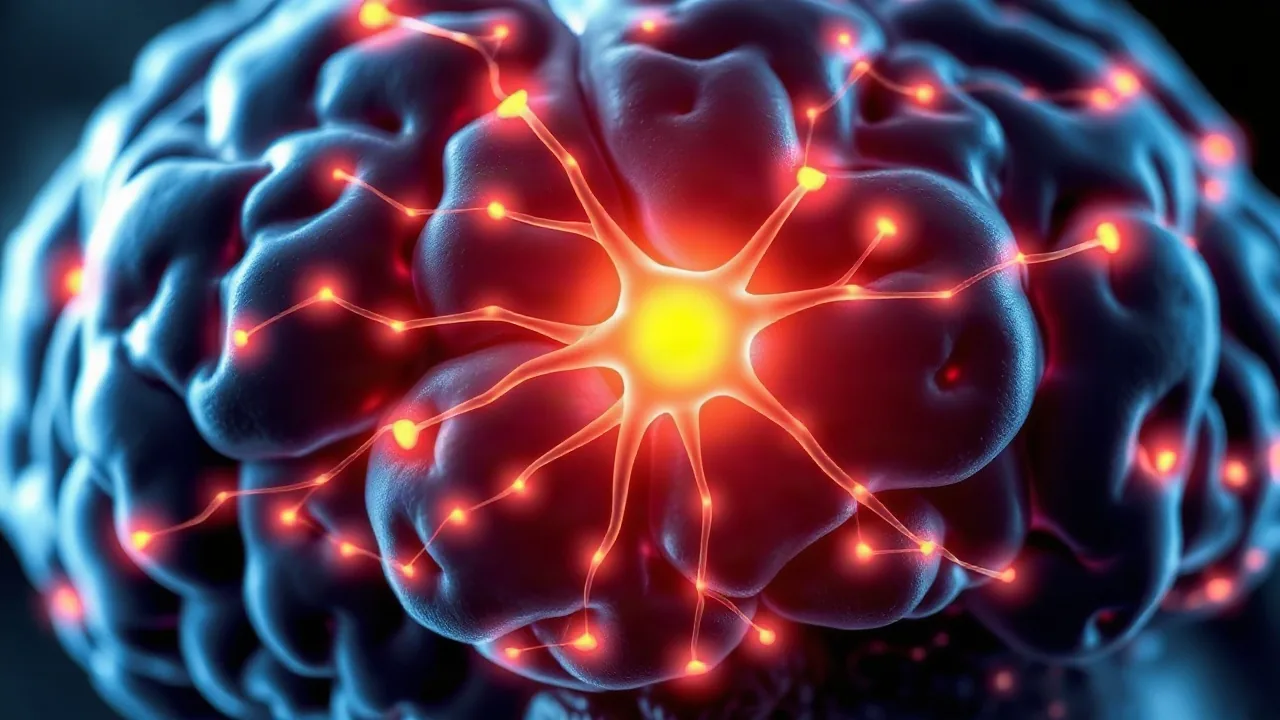
Scientists are gaining unprecedented insights into the intricate ways psychedelic drugs alter human consciousness, revealing that the seemingly chaotic brain states induced by substances like psilocybin are underpinned by novel patterns of neural organization. Recent research, employing sophisticated brain imaging techniques, suggests that these compounds can profoundly influence the brain's default mode network (DMN) and increase overall connectivity.
The default mode network, a set of brain regions that are active when an individual is not focused on the outside world, is often implicated in rumination, self-referential thought, and conditions like depression. Early findings indicated that psychedelics disrupt the DMN, leading to a sense of ego dissolution or "oneness" with the environment. More recent studies, however, paint a more nuanced picture, showing not just a breakdown of existing connections but also the formation of new, transient neural pathways.
Understanding the Psychedelic Neural Landscape
Dr. Robin Carhart-Harris, head of the Centre for Psychedelic Research at Imperial College London, has been a leading figure in this field. His work and that of his colleagues suggest that under the influence of psychedelics, brain activity becomes more globally integrated. Instead of distinct brain networks operating independently, there is a merging of function, allowing for information to flow more freely across regions that typically do not communicate extensively.
This heightened global connectivity, observed through functional magnetic resonance imaging (fMRI) and electroencephalography (EEG), is thought to be a key mechanism behind the profound psychological experiences associated with psychedelics. Researchers theorize that this state allows for the "unsticking" of rigid thought patterns and emotional responses characteristic of certain mental health conditions. For instance, in depression, the brain can get stuck in negative feedback loops; psychedelics may provide an opportunity to break these cycles and establish healthier cognitive patterns.
One of the most striking findings is the observed increase in neural complexity. While initial interpretations focused on the apparent "disorganization" of brain activity, more detailed analyses reveal an increase in the richness and diversity of neural signaling. This suggests that the psychedelic state is not simply a chaotic breakdown but rather a state of heightened flexibility and potential for reorganization. The brain becomes more receptive to new inputs and connections, which may facilitate psychological healing and personal growth.
The therapeutic potential of these findings is significant. Clinical trials investigating psilocybin-assisted therapy for conditions such as treatment-resistant depression, anxiety, and addiction have shown promising results. Patients undergoing these therapies report lasting improvements in mood and well-being, often accompanied by profound shifts in perspective. The neurobiological changes observed in brain scans appear to correlate with these reported psychological benefits.
However, researchers emphasize that psychedelics are not a panacea and require careful administration within a therapeutic context. The intense psychological experiences can be challenging, and support from trained professionals is crucial for integrating these experiences constructively. The ongoing research aims to further elucidate the precise neural mechanisms involved, identify biomarkers for treatment response, and optimize therapeutic protocols for maximum efficacy and safety.
As our understanding of the psychedelic brain evolves, so too does the potential for novel therapeutic interventions. The intricate dance between altered brain connectivity and subjective experience offers a compelling avenue for addressing a range of mental health challenges, moving beyond traditional pharmacological approaches.