
Giant Fungus D. rex Emerges From Dinosaur Extinction Event
A massive fungus, named D. rex, with a lineage tracing back 65 million years has been discovered in China. Its evolution is linked to the mass extinction event that ended the age of dinosaurs.

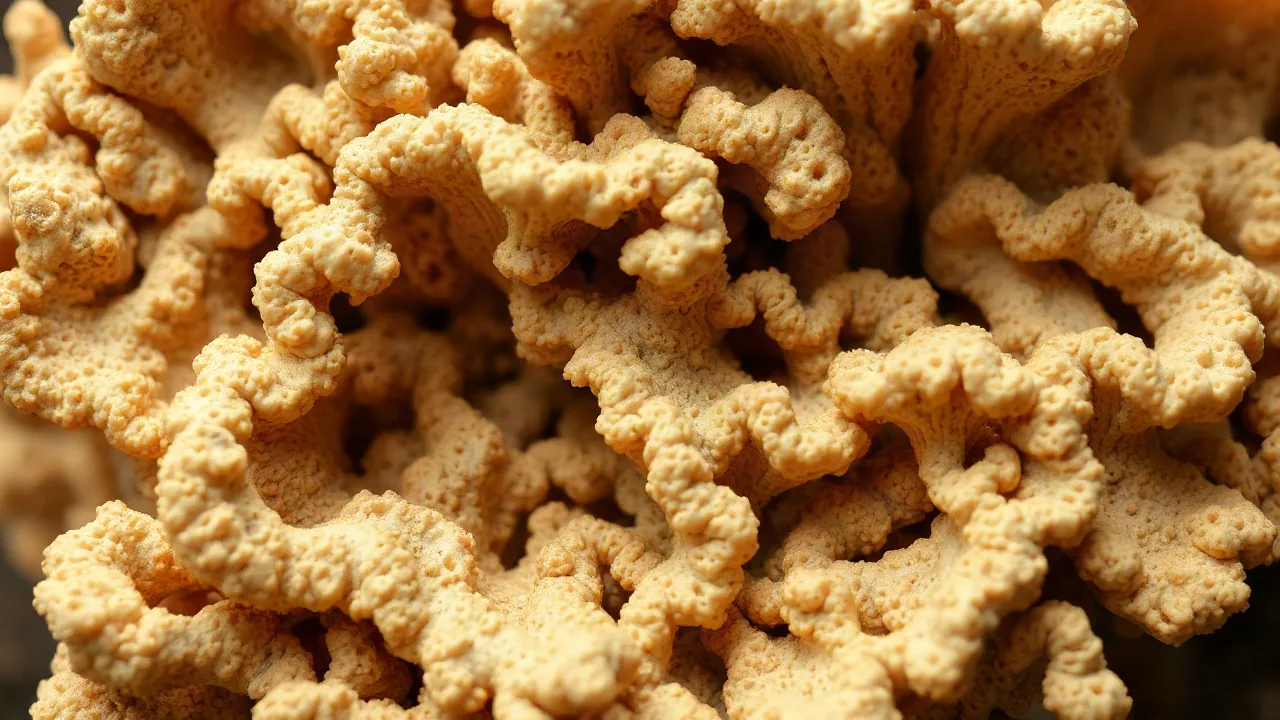
Scientists in China have identified a colossal fungus, officially named D. rex, whose genetic lineage appears to stretch back 65 million years, coinciding with the mass extinction event that wiped out the dinosaurs. The discovery sheds new light on the resilience and adaptive capabilities of life on Earth following catastrophic planetary shifts.
The fungus, found deep within soil samples, possesses an ancient genetic makeup that has allowed it to persist through millennia of environmental changes. Researchers believe the widespread devastation caused by the asteroid impact approximately 66 million years ago, which led to the Cretaceous–Paleogene extinction, created unique ecological niches that allowed organisms like D. rex to thrive and diversify. This period of upheaval, which ended the reign of non-avian dinosaurs, fundamentally reshaped the planet's biosphere, paving the way for new forms of life to emerge.
Ancient survivor reveals evolutionary secrets
The sheer size and ancient lineage of D. rex make it a significant find for paleobiologists and mycologists. Analysis of its DNA reveals adaptations that were crucial for survival during and after the K-Pg extinction event. "This discovery offers a rare glimpse into the deep past and how life reconfigured itself after one of Earth's most significant ecological crises," stated Dr. Li Wei, lead researcher on the project from the Chinese Academy of Sciences. "The genetic blueprint of D. rex tells a story of survival against incredible odds."
Fungi play a critical role in ecosystems, acting as decomposers and nutrient recyclers. The survival and potential proliferation of such a large and ancient fungal species suggest a profound impact on soil health and plant life in the wake of the extinction. Understanding how D. rex managed to survive and what ecological role it played during this transitional period could provide valuable insights into the long-term recovery patterns of ecosystems following mass extinction events. The specific environmental conditions that favored its growth after the asteroid impact are now a key focus of ongoing research.
Further studies are planned to understand the full ecological scope of D. rex and its interactions with other organisms that emerged during the Cenozoic Era. The research team hopes to uncover more about the fungus's reproductive strategies, its metabolic processes, and its potential impact on the evolutionary trajectory of plant life in the post-dinosaur world. The discovery underscores the dynamic nature of Earth's history and the extraordinary ways life finds to endure and evolve.