Microsoft AI Surpasses Doctors in Diagnosing Complex Medical Cases
Microsoft's AI tools are now outperforming human doctors, especially in diagnosing difficult medical conditions. This advancement is a significant step towards achieving "medical superintelligence."

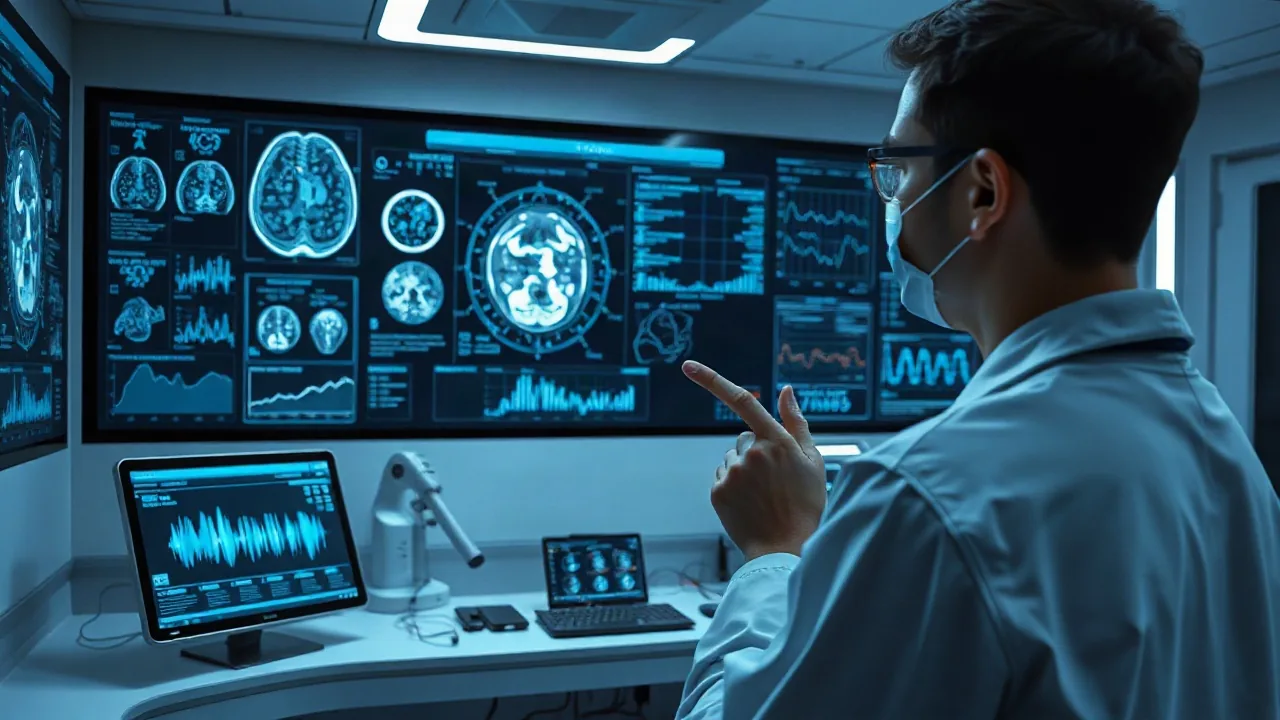
Microsoft's latest artificial intelligence initiative, spearheaded by Mustafa Suleyman, has demonstrated remarkable proficiency in diagnosing complex medical conditions, according to a recent study. The AI tools have shown a superior ability to identify diseases, particularly in challenging cases where human generalist physicians might struggle. This development marks a significant stride toward what Suleyman terms "medical superintelligence," aiming to augment and enhance diagnostic capabilities within the healthcare sector.
In a rigorous evaluation, Microsoft's AI systems were tested against a broad spectrum of medical scenarios. The results indicated that the AI achieved a higher accuracy rate than a group of generalist physicians when faced with intricate diagnoses. This performance is attributed to the AI's capacity to process vast amounts of medical data, including patient histories, imaging results, and the latest research, at speeds and scales unachievable by human practitioners.
Advancing Diagnostic Accuracy Through AI
The implications of this AI advancement are profound for the future of healthcare. By assisting doctors with more accurate and rapid diagnoses, especially for rare or multifaceted illnesses, the technology has the potential to reduce diagnostic errors and improve patient outcomes. "We are seeing AI tools that can not only match but exceed human performance in specific diagnostic tasks," stated a Microsoft research spokesperson. "This isn't about replacing doctors, but about providing them with incredibly powerful tools to make better, faster decisions."
This pursuit of AI in medicine is not new, but the recent breakthroughs signal a new era. Previous AI models often struggled with the nuances and ambiguities present in real-world medical data. However, advancements in machine learning, particularly in deep learning and natural language processing, have enabled these new systems to understand context, identify subtle patterns, and even interpret complex imaging data with impressive precision. The study specifically highlighted the AI's effectiveness in cases that involved multiple overlapping symptoms or presented with atypical manifestations.
Mustafa Suleyman, a prominent figure in the AI field and a key leader at Microsoft's AI division, has been a vocal advocate for the transformative potential of artificial intelligence in healthcare. His vision for "medical superintelligence" envisions a future where AI acts as an indispensable partner to clinicians, helping to unravel the most complex health challenges. This collaborative approach, he argues, is crucial for democratizing access to high-quality diagnostic expertise, potentially benefiting underserved communities and remote areas where specialist access is limited.
The ongoing development and integration of such AI tools into clinical workflows will require careful consideration of ethical guidelines, data privacy, and regulatory frameworks. Ensuring that these powerful technologies are deployed responsibly and equitably is paramount. Microsoft has emphasized its commitment to working closely with healthcare providers, researchers, and policymakers to navigate these challenges and unlock the full potential of AI for improving global health. The research aims to not only validate the AI's capabilities but also to build trust among medical professionals and patients alike.