
Record-Breaking 'Fire Amoeba' Thrives at Extreme 145°F Temperatures
Scientists have discovered a remarkable amoeba, nicknamed the 'fire amoeba,' capable of surviving and reproducing at an astonishing 145°F (63°C), setting a new record for complex life in extreme heat.

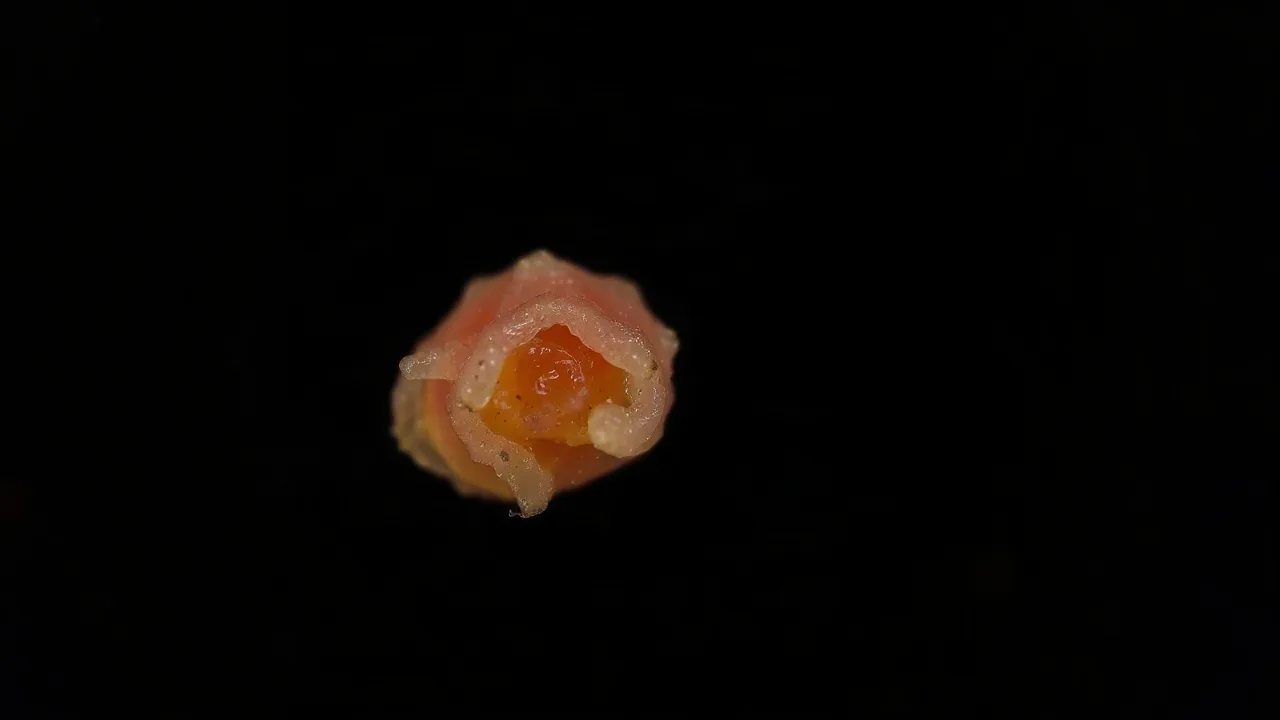
In a discovery that redefines the known boundaries of life, scientists have identified a new species of amoeba that thrives in incredibly high temperatures. Nicknamed the 'fire amoeba,' this single-celled organism can reproduce at a scorching 145 degrees Fahrenheit (63 degrees Celsius), the highest temperature ever recorded for a complex eukaryotic cell. The finding, published in a recent scientific journal, expands our understanding of extremophiles and the potential for life in harsh environments.
The remarkable heat tolerance of this organism was first observed in samples collected near a geothermal vent. Researchers were initially studying microbial life in these extreme conditions when they noticed the unexpected survival and reproductive activity of the amoeba at temperatures previously thought to be lethal for complex cells. This 'fire amoeba' belongs to the eukaryotes, a group that includes all life forms with complex cells, such as plants, animals, fungi, and protists.
Pushing the Boundaries of Life
Traditionally, it was believed that complex life could not survive much beyond 122°F (50°C). This discovery challenges that long-held assumption. The amoeba not only survives but actively reproduces at 145°F (63°C), indicating a unique set of cellular adaptations that protect its vital components from heat-induced damage. Researchers are now working to understand the specific molecular mechanisms, such as heat-shock proteins and membrane lipid composition, that enable this extraordinary resilience.
Dr. Evelyn Reed, lead researcher on the project from the Institute for Extreme Biology, stated, "This organism is a true testament to life's tenacity. To find a complex cell not just surviving, but thriving and reproducing at these temperatures opens up entirely new avenues for research into astrobiology and the fundamental limits of life." The team plans further expeditions to similar geothermal sites globally, hoping to uncover other 'fire amoeba' variants or entirely new extremophiles.
The implications of this discovery extend beyond basic science. Understanding how these organisms protect themselves from extreme heat could lead to advancements in various fields, including the development of heat-resistant enzymes for industrial applications or new strategies for preserving biological materials. The research also fuels speculation about the possibility of life on other planets with similarly extreme conditions, such as Venus's upper atmosphere or subsurface oceans on icy moons.
Further studies will involve sequencing the amoeba's genome to pinpoint the genes responsible for its heat resistance. Scientists are eager to learn how its cellular machinery operates under such intense thermal stress. This groundbreaking research highlights the vast, unexplored biodiversity of our planet and the incredible adaptability of life.