
How Brains Agree When Eyes Deceive
New research reveals how the brain synthesizes conflicting visual information from both eyes to create a unified perception, even when individual eye input is distorted.

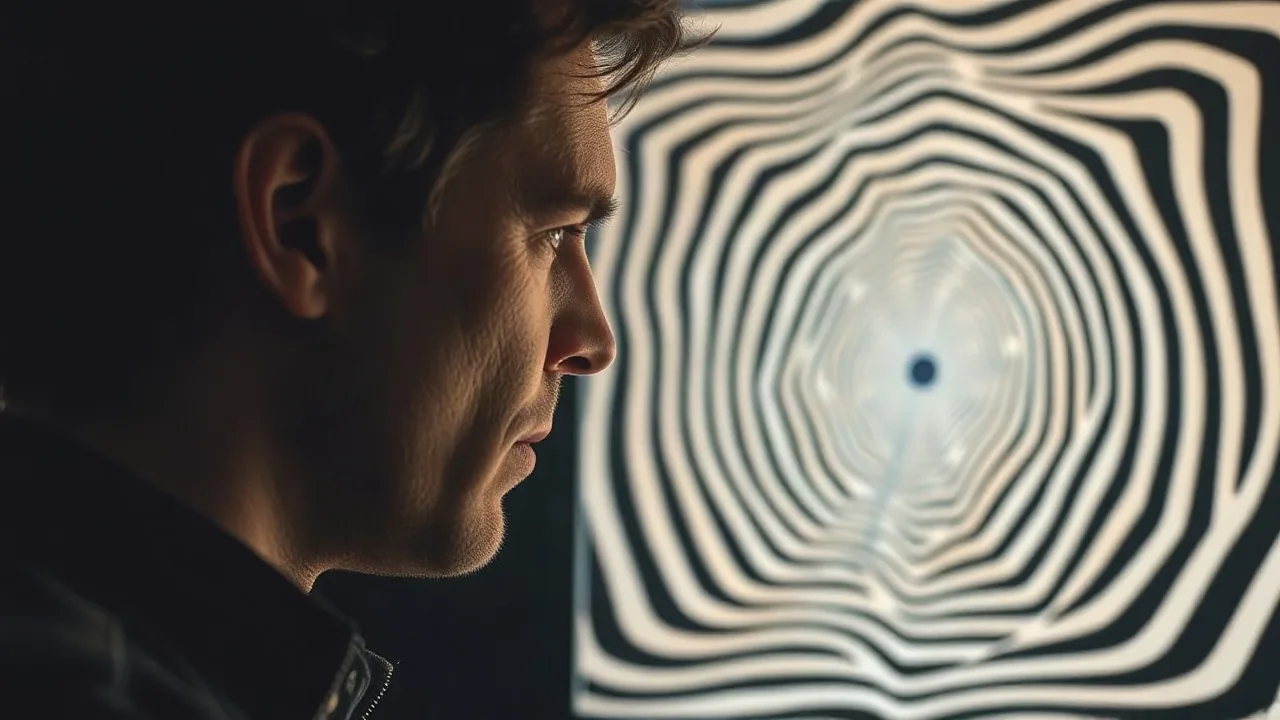
Scientists have uncovered a fascinating mechanism by which the brain resolves discrepancies between the visual input from each eye, forming a cohesive perception of the world. This process is crucial for navigating our environment, especially when visual cues can be ambiguous or misleading. The findings shed light on how our brains construct a shared reality from potentially conflicting data streams.
The research, published recently, focused on how the brain integrates information from the left and right eyes. Normally, the brain fuses these two slightly different images into a single, three-dimensional view. However, when one eye's input is distorted or unclear, the brain must make a decision about what to prioritize. This study suggests that the brain doesn't simply average the two inputs. Instead, it appears to engage in a form of 'consensus-building' that can favor one eye's input over the other, depending on the reliability of the signals.
Understanding Visual Consensus
Researchers used advanced imaging techniques and carefully designed visual experiments to observe brain activity. Participants were shown stimuli where the input to one eye was deliberately degraded, mimicking conditions like astigmatism or temporary visual disturbances. They then reported their perceived image. The study found that the brain's response was not a passive merging of signals. Instead, there was a more active process of evaluation, where signals deemed more reliable or coherent were given greater weight in the final perceptual output. This is a significant finding because it implies a dynamic and adaptive neural strategy for dealing with imperfect visual data. The brain is not just a passive recipient of sensory information; it actively constructs our reality.
Dr. Evelyn Reed, lead author of the study and a neuroscientist at the Institute for Cognitive Studies, explained the significance of the findings. "What we're seeing is that the brain is remarkably adept at creating a stable visual experience, even when the incoming data is noisy," Dr. Reed stated. "It's not just about averaging; it's about making intelligent decisions based on the quality of the information each eye provides. This consensus-building mechanism is fundamental to our ability to interact with the world effectively."
This research has potential implications for understanding and treating various visual disorders. Conditions where visual input is consistently distorted, such as amblyopia (lazy eye), could potentially benefit from therapies that retrain the brain's consensus-building mechanisms. By understanding how the brain prioritizes information, clinicians might develop new strategies to improve visual acuity and depth perception in patients.
The study also touches upon broader questions about perception and consciousness. Our subjective experience of reality is a construction of the brain, and this work highlights the sophisticated neural processes that underpin even the most basic sensory experiences. The brain's ability to build a coherent consensus from disparate sources of information is a testament to its complex processing power, allowing us to navigate and understand a world that is rarely perfectly clear.