
Humpback Whale Mother Shows Grief Over Stillborn Calf in Rare Footage
Rare video captures a female humpback whale displaying signs of grief as she stayed with her stillborn calf for an extended period. The behavior suggests complex emotional responses in cetaceans.

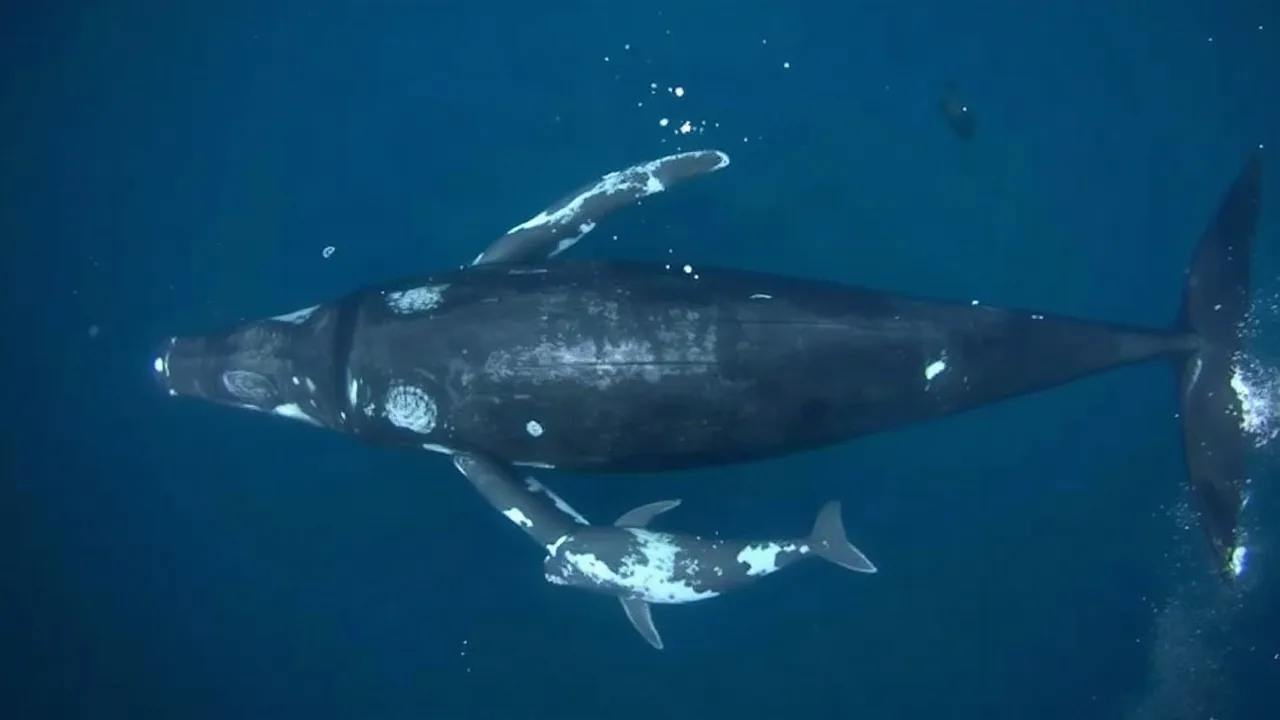
In a poignant and rarely documented event, a female humpback whale has been observed appearing to grieve over her stillborn calf. The extraordinary footage, captured off the coast of Australia, shows the mother whale staying close to her deceased offspring for several hours, exhibiting behaviors that many interpret as signs of mourning. This observation offers a glimpse into the potentially complex emotional lives of marine mammals.
The encounter occurred during a whale watching tour near Eden, New South Wales. Witnesses described the mother whale gently nudging her calf and repeatedly surfacing near it, a behavior rarely seen in such circumstances. Unlike typical interactions where a mother would separate from a deceased calf, this humpback whale remained steadfastly by its side. "She wasn't aggressive, she wasn't trying to push it away, she was just… with it," recounted one observer, highlighting the unusual nature of the event.
Understanding Cetacean Social Bonds
Scientists have long suspected that whales and dolphins exhibit sophisticated social behaviors, including grief. While direct evidence of mourning in the wild is challenging to obtain, anecdotal observations and studies on cetacean intelligence suggest strong social bonds and complex emotional capacities. This latest footage lends significant weight to these theories. The humpback whale, a species known for its complex songs and migratory patterns, is part of a species group that often forms strong familial ties. The behavior observed in this instance could indicate a deep maternal bond that persists even after the calf's death.
Dr. Isabella Rossi, a marine biologist specializing in cetacean behavior, commented on the footage, stating, "What we are seeing here is consistent with observed behaviors in other social mammals, including primates and elephants, where extended close contact and apparent distress are shown following the loss of a young. It is heartbreaking, but also scientifically invaluable." She further explained that while attributing human emotions directly to animals can be speculative, the consistent proximity and protective stance of the mother whale strongly suggest a response beyond mere biological necessity.
The incident underscores the need for continued research into the cognitive and emotional lives of whales. Conservation efforts often focus on protecting these animals from physical threats like entanglement and ship strikes, but understanding their complex social structures and emotional experiences can also inform how we approach their welfare and conservation. The humpback whale population has seen a significant recovery in recent decades, making these interactions even more crucial for understanding their evolving social dynamics.
This remarkable sighting serves as a powerful reminder of the sentience of marine life and the deep connections that can exist within the animal kingdom. As researchers continue to study these magnificent creatures, footage like this provides compelling evidence that the emotional world of whales may be far richer and more complex than previously understood.