
First Contagious Freshwater Cancer Found in Vermont Catfish
Scientists have identified the first-ever transmissible cancer in a freshwater fish species, affecting brown bullhead catfish in Vermont's Lake Memphremagog. The study suggests the cancer, appearing as black lesions, may spread between individuals.

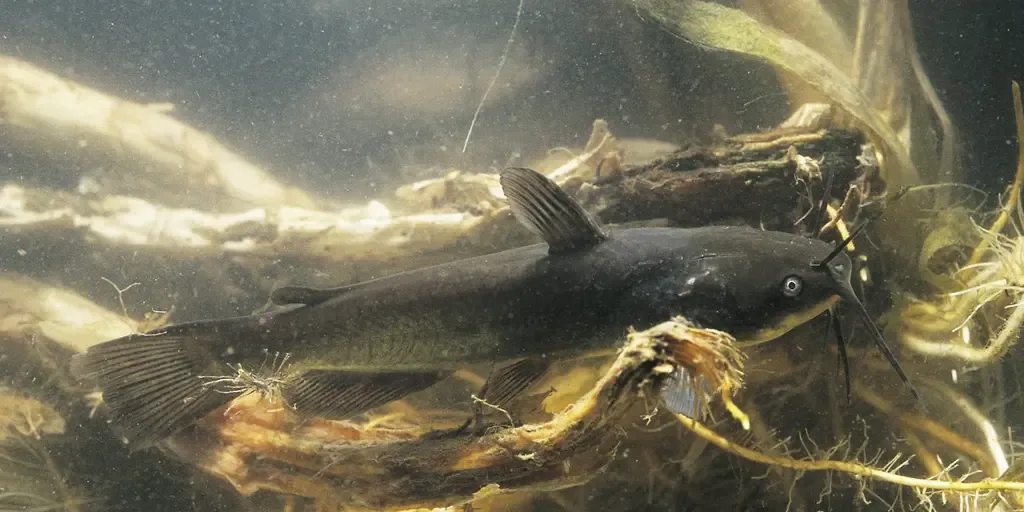
Researchers have identified the first known contagious cancer in a freshwater fish species, discovered among brown bullhead catfish in Vermont's Lake Memphremagog. A study published in the journal Nature reveals that since 2012, these catfish have exhibited a high prevalence of raised black lesions. Scientists investigated whether these lesions represented a transmissible cancer, a phenomenon previously documented only in a handful of mammals and marine invertebrates.
Lake Memphremagog, which straddles the border between Vermont and Quebec, Canada, is a significant glacial lake and serves as a vital water source for approximately 175,000 people. Between 2014 and 2017, studies observed these malignant melanomas in 23% to 37% of sampled brown bullheads, prompting investigations into potential environmental contaminants or infectious agents.
One hypothesis explored by scientists linked the outbreak to Tropical Storm Irene in 2011, which caused extensive flooding and potential runoff pollution that could have degraded the lake's water quality. To pinpoint the cause of the cancer, researchers conducted comprehensive studies, including genomic analyses, to compare diseased and healthy fish. Preliminary genomic findings indicated that the tumors possessed distinct genetic material compared to healthy tissue, supporting the theory that the cancer might be transmissible, akin to a parasite spreading between hosts.
Understanding Transmissible Cancers
The phenomenon of transmissible cancers is exceedingly rare, with documented cases historically limited to three species: dogs, Tasmanian devils, and various bivalve species such as clams, oysters, and scallops. In these cases, the tumor cells' genomes are more genetically similar to each other across different individuals than they are to the host's own DNA, indicating a shared clonal origin. To confirm this in the Lake Memphremagog catfish, scientists meticulously analyzed tissue samples from both healthy fish and those exhibiting lesions at various stages.
The research team found compelling evidence supporting the cancer's transmissible nature, marking it as the first documented instance in freshwater fish. While the exact transmission mechanism remains unclear, scientists speculate that factors common in catfish biology, such as reproduction or aging processes, might play a role in its spread, drawing parallels from other known transmissible cancers in animals. This discovery underscores the complex health challenges facing aquatic ecosystems.
Further investigations involving future sampling of affected brown bullhead populations are planned. These efforts will aim to determine the precise age and origin of this clonal cancer, which is crucial for understanding its evolutionary trajectory and its impact on the overall health and sustainability of the brown bullhead catfish population in Lake Memphremagog. The findings highlight the importance of ongoing monitoring of aquatic environments for emerging health threats.