
Contagious Cancer Found in Fish is Fourth Transmissible Type Known
Researchers have identified a contagious melanoma spreading among brown bullhead fish in Lake Memphremagog. This marks the fourth known transmissible cancer in science and the first discovered in a freshwater fish.

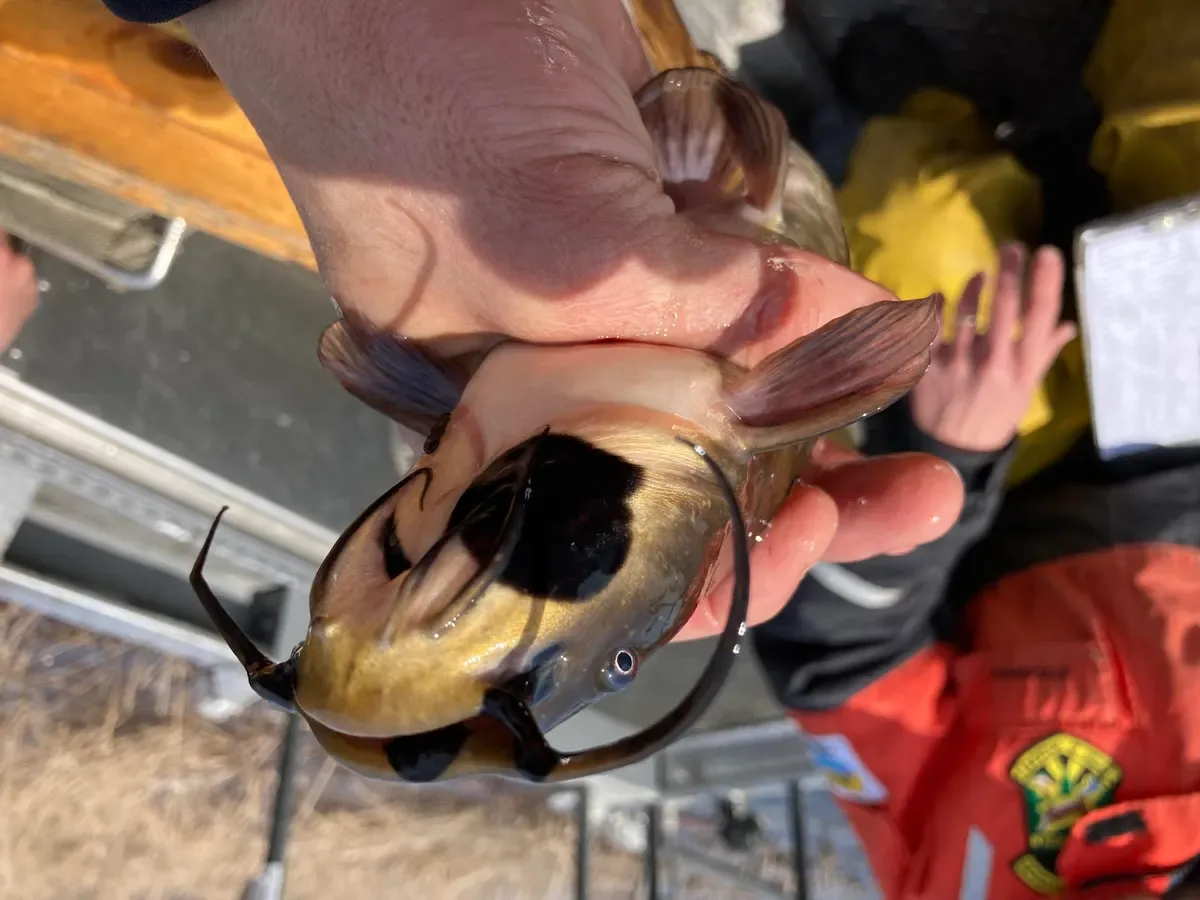
Scientists have identified a groundbreaking discovery: a transmissible cancer spreading among brown bullhead fish in Lake Memphremagog, Vermont, and Quebec. This marks the fourth known transmissible cancer documented in science, the first ever found in a fish, and the first instance in a freshwater ecosystem. The findings, published this week in the journal Nature, detail a melanoma that spreads from one fish to another as living cancer cells, fundamentally changing our understanding of how cancers can propagate.
The unusual condition was first noticed in 2012 when an angler observed what appeared to be tar-like growths on a brown bullhead. Peter Emerson, a fish biologist with the Vermont Fish and Wildlife Department who had been surveying the lake since 2009, was alerted. Within three years, these black lesions affected between a quarter and 40 percent of the lake's bullhead population. Researchers at the University of Vermont, led by Dr. Julie Dragon, investigated extensively, initially suspecting environmental pollutants or known viruses.
However, years of genetic sequencing and water testing for contaminants like polycyclic aromatic hydrocarbons, which are known to cause liver tumors in bullheads, yielded no results. Even after Tropical Storm Irene in 2011 potentially stirred up pollutants, unaffected fish were found in waters with higher contaminant levels. Tissue samples analyzed from 2014 onwards revealed no viral or microbial cause for the disease. Instead, Dr. Dragon's team discovered that the tumors shared hundreds of thousands of mutations across different fish, distinct from the healthy tissue of the fish carrying them.
"It's a clonal cancer," Dr. Dragon explained. "It’s not driven by a bacteria or a virus. It’s the infectious agent itself, and it’s moving from fish to fish." This indicates that the cancer cells themselves are the infectious agents, capable of spreading between individuals.
A Widespread and Rapidly Spreading Disease
The implications of this discovery are significant, especially considering the rapid spread observed. In 2017, a re-survey of Lake Memphremagog, which spans over 30 miles across the US-Canadian border, revealed similar prevalence rates at multiple sites. This suggests the disease had saturated the binational lake within five years of its initial appearance. Genetic analysis of the tumors indicates they are more closely related to healthy bullhead from areas like New Hampshire and Maine than to the fish they are currently inhabiting, suggesting an external origin.
The affected fish are not confined to Lake Memphremagog. "It looks like it’s widespread, including New Brunswick, Nova Scotia, Maine, New Hampshire, Massachusetts, Pennsylvania," Emerson stated. "And some even in Wisconsin, New York … they’re everywhere." While the cancer is geographically widespread, its local abundance varies. Despite bullhead living in approximately 90 lakes within Emerson's district, the transmissible cancer has only been confirmed in one. This pattern—wide geographic range but restricted local presence—suggests the cancer's spread is limited by transmission pathways rather than environmental suitability.
The visual impact of the cancer on the fish is stark. "It looks like a plague," said Emerson. The growths appear on the exterior of the fish, frequently on the mouth and the sensitive barbels used for finding food. This can lead to shortened barbels, hindering the fish's ability to feed effectively, although Emerson noted the lake remains abundant in food, preventing starvation in the current population.
The ecological consequences of transmissible cancers are a major concern. Devil facial tumor disease, one of the other three known transmissible cancers, has caused an estimated 90 percent decline in the Tasmanian devil population. In contrast, clam and mussel leukemias have spread through populations that continue to persist. The brown bullhead cancer, while currently prevalent, has not seen its prevalence climb further in Lake Memphremagog, suggesting a potential for population persistence, similar to bivalve leukemias.
This discovery raises critical questions about how many other transmissible cancers exist in the wild. Experts suggest that finding such cancers requires specialized genomic analysis that is not frequently performed on wildlife populations. Dr. Andrew Storfer of Washington State University believes these cancers may be more common than currently recognized, and Dr. Dragon added, "People don’t pay a lot of attention to catfish." The team is now utilizing angler-posted photographs on platforms like Fishbrain, a social media app for anglers, to track the spread of the disease, demonstrating the power of citizen science and crowdsourced data in monitoring biodiversity and potential outbreaks.
Managing this disease and preventing its spread to other freshwater bodies remains a significant challenge. Current regulations, designed for invasive species, may not adequately address the transmission of a contagious cancer. Emerson advocates for revisiting these rules, particularly concerning bait and water transport between lakes, but acknowledges the difficulty of implementing such changes as a "small voice." The lack of visible signage at boat launches further complicates public awareness, leaving many anglers unaware of the potential risks associated with the fish they catch.