
Ancient African 'Ghost Lineage' DNA Found in Modern Humans
New genomic analysis reveals a previously unknown ancient human lineage in Africa interbred with our ancestors, leaving a subtle but widespread genetic mark.

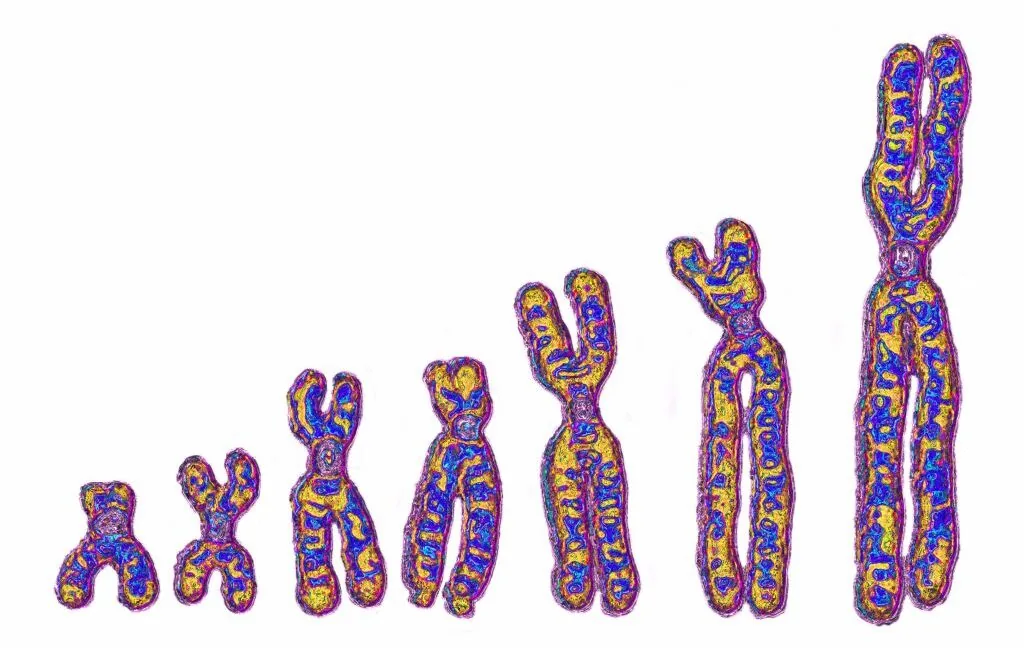
Scientists have uncovered evidence of a previously unknown ancient human lineage that interbred with modern humans in Africa, contributing a small but significant portion of DNA found in people today. This discovery, made possible by advanced analytical techniques and new software, suggests a more complex picture of human ancestry than previously understood, extending beyond known interbreeding events with Neanderthals and Denisovans. The findings indicate this interbreeding occurred before modern humans migrated out of Africa.
The research, conducted by a team primarily based at UC Berkeley, utilized sophisticated methods to reconstruct ancestral recombination graphs. These graphs map the genetic history of individual DNA segments, estimating how far back in time they originated and how they have been altered by recombination – the process where chromosomes exchange segments. By analyzing patterns in billions of DNA bases across numerous genomes, researchers can identify sequences that exhibit characteristics of ancient introgression, a process where DNA from one lineage is incorporated into another.
A key insight from the study is the identification of specific genetic markers associated with introgression. These markers appear “old” in terms of their deep common ancestry but “young” in terms of the amount of recombination they have undergone since being reintroduced into the modern human genome. To detect these subtle signals, the team developed a software tool called TRACE. This tool was validated using known Neanderthal and Denisovan DNA segments within the human genome, demonstrating a high degree of accuracy and a low false discovery rate.
Exploring the 'Ghost Lineage'
When applied to African populations, TRACE not only confirmed the presence of expected Neanderthal and Denisovan DNA (received through later migrations from Eurasia) but also revealed a substantial amount of DNA from an unidentified “ghost lineage.” This ancient DNA constitutes approximately 0.5 to 1.1 percent of current human genomes, a seemingly small fraction that collectively spans nearly 1.5 billion DNA bases. Its presence across all modern human populations suggests the interbreeding event predated the major out-of-Africa expansion.
Notably, African populations tend to carry more diverse segments of this ghost lineage DNA, some of which are absent in non-African populations. This observation is attributed to the loss of genetic diversity during the early migrations out of Africa. The researchers identified around 100 genomic regions that completely lack ghost lineage DNA in people of non-African descent, hinting at specific incompatibilities or selection pressures.
Estimates based on the divergence of these sequences place the last common ancestor of this ghost lineage with modern humans at over 800,000 years ago, placing its origins around the same time as the split from the ancestor of Neanderthals and Denisovans. The shorter average length of these ghost lineage segments compared to Neanderthal and Denisovan DNA further supports their earlier integration into the human genome.
The study also touched upon evidence for yet another, even older, archaic lineage. Some Denisovan DNA, particularly in populations from Southeast Asia and Oceania, appears to originate from a “super archaic” lineage that split from modern humans nearly 1.8 million years ago, potentially stemming from an ancestor like Homo erectus. While this contribution is even smaller, around 0.3 percent of Denisovan DNA in some groups, it adds another layer to our complex genetic heritage.
While the precise function and adaptive significance of these archaic DNA segments, including those from the ghost lineage, remain subjects of ongoing research, preliminary analysis suggests they are more prevalent in regions near genes associated with metabolism and immune function. Future studies, potentially combining ancient DNA or archaeological discoveries, may shed further light on the identity and impact of these ancient contributors to the human genome.