
Nikon Microscopy Contest Under Scrutiny Over AI-Generated Winner
Nikon is re-evaluating its Small World in Motion contest winner following accusations of AI-generated content. The controversy has cast a shadow over the prestigious scientific imaging competition.

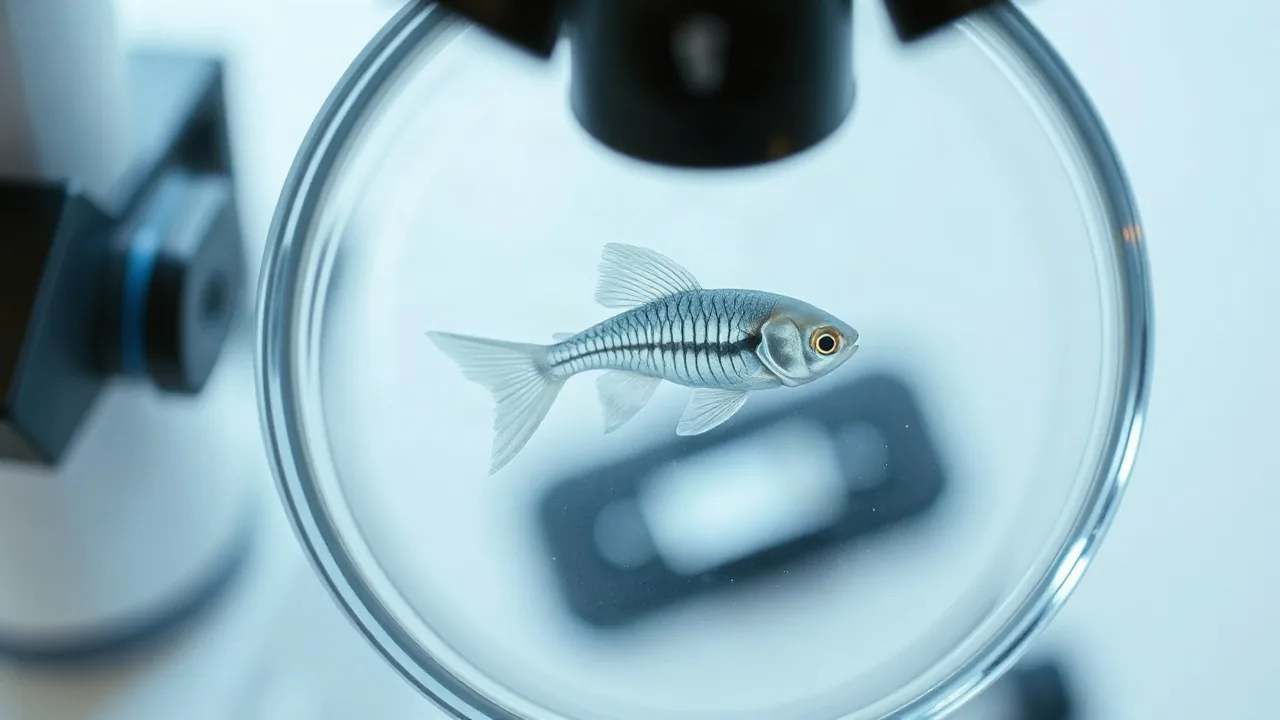
The esteemed Nikon Small World in Motion competition is currently undergoing a re-review of its winning entry after allegations surfaced that the submitted video was significantly enhanced or created using artificial intelligence. The controversy has sparked debate within the scientific imaging community about the role of AI in art and scientific representation.
The submission, hailed as a remarkable depiction of the intricate movements within a developing zebrafish embryo, was initially praised for its clarity and detail. However, close examination by fellow scientists and observers raised questions about the authenticity of the visual elements. These concerns were amplified by accusations that portions, if not the entirety, of the video may have been generated or substantially altered by AI tools, a practice not explicitly forbidden but highly contentious in a competition valuing direct observation and capture.
Debate over AI in Scientific Imaging
The Nikon Small World contest, established in 1975, has long been a platform celebrating the art and science of microscopy. Its goal is to showcase the beauty and complexity of life as seen through a microscope, encouraging researchers and artists to capture stunning visuals. This year's alleged use of AI has brought the ethical considerations of artificial intelligence in scientific documentation to the forefront. While AI tools can assist in image processing and analysis, concerns are mounting that their use in generating imagery could mislead viewers about the actual biological processes or structures observed.
A spokesperson for Nikon stated, "We are aware of the concerns raised regarding the winning entry of the Small World in Motion competition. We take these matters very seriously and are conducting a thorough review of the submission and the circumstances surrounding its entry." The company has not yet provided a timeline for the completion of this review or indicated what actions might be taken if the allegations are substantiated.
Critics argue that the use of AI, especially if undisclosed, blurs the line between photographic evidence and digital artifice. In scientific contexts, the integrity of visual data is paramount. Submissions that rely heavily on AI generation could, intentionally or unintentionally, misrepresent scientific findings or processes. This incident underscores a broader conversation happening across various creative and scientific fields regarding the responsible development and application of AI technologies. The discussion revolves around transparency, originality, and the potential impact on human skill and perception.
The initial winner, whose identity has not been publicly disclosed by Nikon pending the review, has reportedly been cooperative with the investigation. However, the broader scientific and imaging communities are watching closely. The outcome of Nikon's review could set a precedent for future scientific and artistic competitions grappling with the rapid advancements in artificial intelligence and its capabilities.