
Google's Gemini Live Adds Guided Vision for Visually Impaired
Google's Gemini Live app on Android now features Guided Vision, offering real-time visual assistance to help users with low vision or blindness navigate their surroundings and read text.

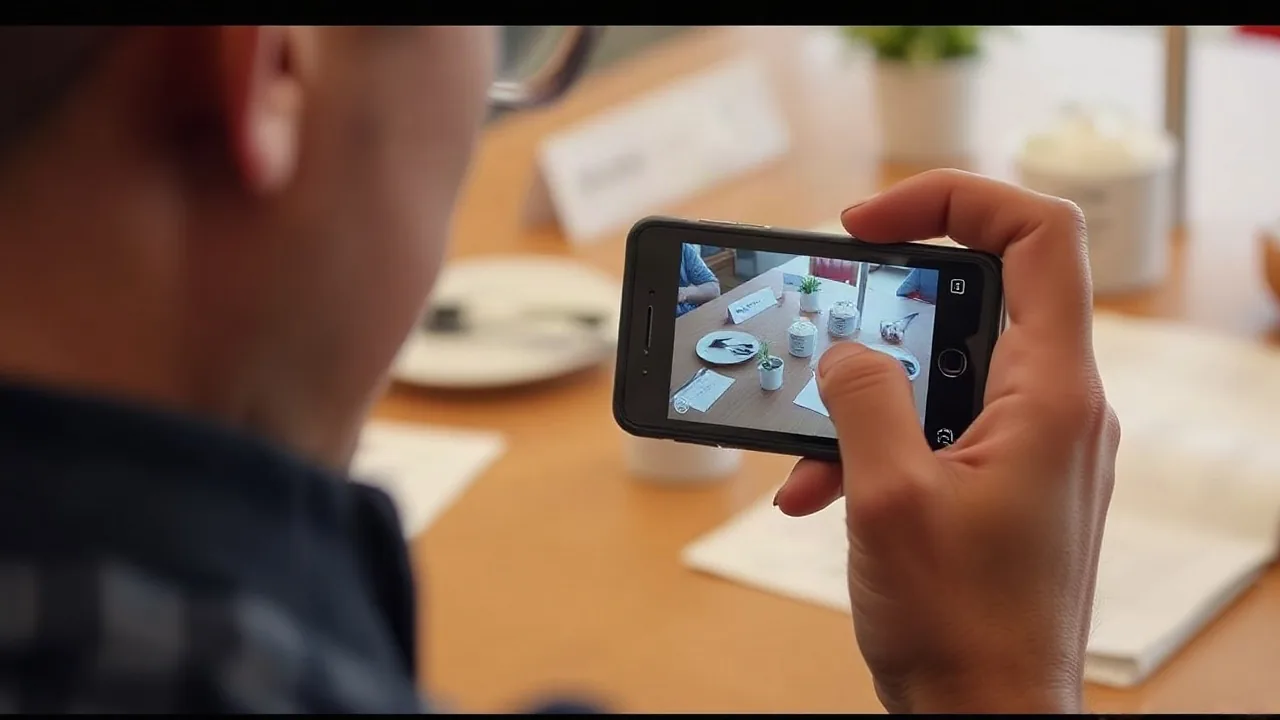
Google has rolled out a new feature called Guided Vision within its Gemini Live application for Android devices, designed to provide real-time visual assistance for individuals with visual impairments. The update aims to enhance accessibility by enabling users to understand their surroundings, read small text, and interact more easily with the world around them through their smartphone camera.
Guided Vision utilizes advanced AI capabilities to interpret visual information and relay it to the user through audio prompts. This allows someone who is blind or has low vision to point their phone at an object or text, and the app will describe it. For instance, it can help users identify products on a grocery store shelf, read the expiration date on a milk carton, or decipher the instructions on a medicine bottle. The feature is integrated directly into the Gemini Live app, making it readily available to a wide user base already familiar with Google's AI tools.
Enhancing daily life through AI
The development of Guided Vision is a significant step forward in leveraging artificial intelligence for practical accessibility solutions. Unlike previous tools that might require manual input or have limited functionality, Guided Vision operates in real-time, offering immediate feedback. This continuous stream of information is crucial for tasks that require quick comprehension, such as navigating public spaces or following cooking instructions. Google stated that the feature was developed with input from the visually impaired community to ensure its effectiveness and ease of use.
The technology behind Guided Vision allows it to process complex visual scenes and identify specific elements. This includes not only recognizing text but also discerning colors, shapes, and relative positions of objects. For users, this translates into a more comprehensive understanding of their environment. The app can, for example, guide a user to find a specific item of clothing in a closet or help them identify the correct buttons on an appliance. The goal is to foster greater independence and reduce reliance on sighted assistance for everyday tasks.
This feature builds upon Google's ongoing commitment to accessibility, expanding its suite of tools designed to empower individuals with disabilities. Previous innovations from Google include screen readers, voice commands, and magnifiers, but Guided Vision represents a more dynamic and interactive approach. By integrating powerful AI models directly into a mobile application, Google is making sophisticated assistive technology more accessible than ever before. The Gemini Live platform is expected to see further enhancements as Google continues to explore new applications for its AI research in the accessibility space.
The rollout of Guided Vision across compatible Android devices is expected to benefit millions of users worldwide. Early feedback suggests the feature is intuitive and highly effective, particularly in scenarios involving text recognition and object identification. As the AI models continue to learn and improve, the capabilities of Guided Vision are likely to expand, offering even more sophisticated assistance in the future. This innovation underscores the potential of AI to create a more inclusive world, one where technology helps break down barriers and enhance the quality of life for everyone.