
ISS Astronauts Shelter Briefly as Russian Module Leak Repaired
Astronauts aboard the International Space Station briefly evacuated to a SpaceX capsule Friday as crews worked to repair a new leak on the Russian segment of the orbiting laboratory.

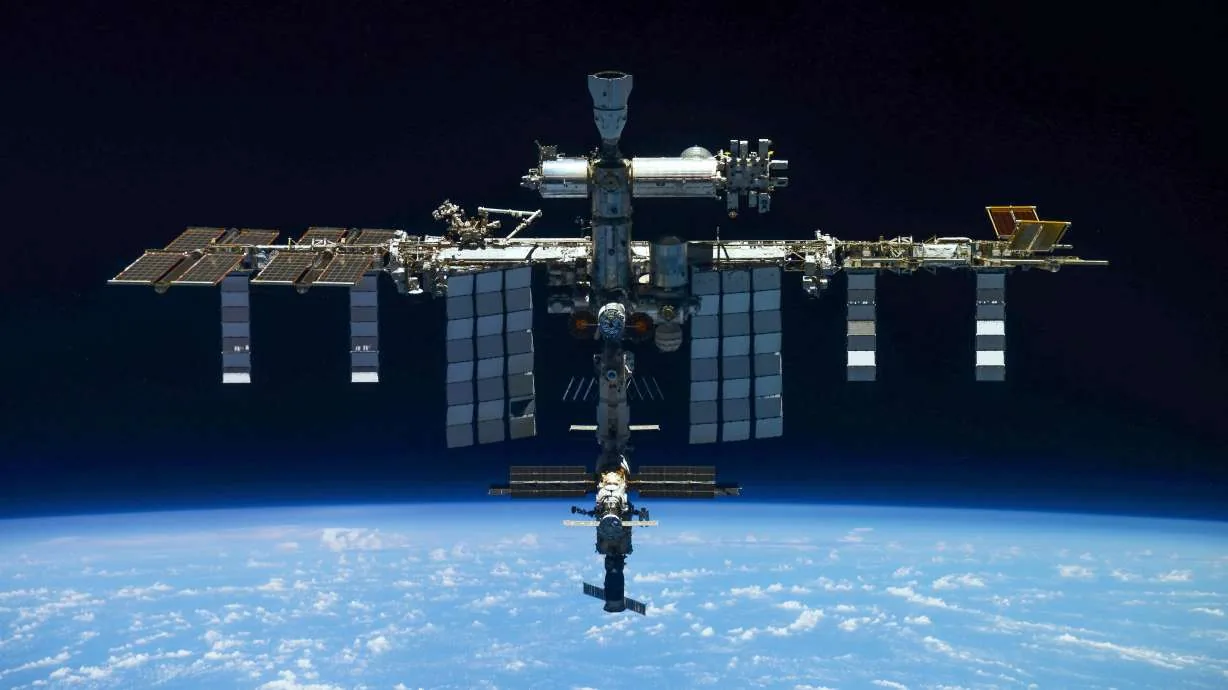
Five astronauts aboard the International Space Station took temporary refuge in a docked SpaceX capsule on Friday as Russian cosmonauts undertook repairs for a newly discovered leak on the station's Russian segment. The precautionary measure, described by NASA spokesperson Bethany Stevens via X as being "out of an abundance of caution," saw the crew return to their regular duties once repair operations were temporarily halted.
The incident highlights ongoing concerns about the integrity of the Russian segment of the orbiting laboratory, which has experienced a series of cracks and leaks in recent years. Roscosmos, Russia's space agency, opted to conduct more extensive repairs following the identification of the latest issue. Both NASA and Roscosmos have been collaborating to pinpoint the precise causes of these recurring structural problems.
Structural Integrity Concerns
The International Space Station (ISS), a collaborative project involving five space agencies, has been a cornerstone of international cooperation in space for over two decades. Launched in segments starting in 1998, its construction and ongoing maintenance represent one of the most complex engineering feats in human history. The station serves as a unique microgravity laboratory, enabling scientific research across a multitude of disciplines, from biology and human physiology to materials science and Earth observation. However, the longevity of the station, now operating well beyond its initially planned mission duration, has raised questions about its long-term structural integrity. The recurring leaks, particularly in the Zvezda module and other Russian-built components, have prompted increased scrutiny from mission control centers and space agencies.
This latest leak is not an isolated event. In October 2020, a significant air leak was detected in the same Russian segment, leading to a period of heightened awareness and thorough inspections. Before that, in 2019, small leaks were discovered in the station's Zarya module, prompting investigations into their origins. While none of these incidents have posed an immediate threat to the crew's safety, they underscore the challenges of maintaining a massive structure in the harsh environment of space, exposed to micrometeoroids and extreme temperature fluctuations.
The close collaboration between NASA and Roscosmos is critical for the ISS's continued operation. Despite geopolitical tensions on Earth, the two agencies have maintained a strong working relationship aboard the station, relying on each other for essential tasks, including crew rotations and module repairs. The reliance on the SpaceX Crew Dragon capsule for astronaut shelter during the repair also underscores the evolving nature of ISS operations and the growing partnership with private space companies.
Mission specialists continue to monitor the situation closely, working with their international partners to ensure the safety of the crew and the continued operation of the research platform. The extensive repair efforts by Roscosmos aim to not only fix the immediate leak but also to investigate and potentially mitigate the underlying causes of the structural weaknesses, ensuring the ISS can continue its vital scientific mission for the foreseeable future.