
Eurovision 2026: Early Predictions and Top Contenders
As Eurovision 2026 approaches, music analysts and contest veterans are already handicapping potential winners and emerging trends. Early frontrunners span multiple genres, from power ballads to experimental pop.

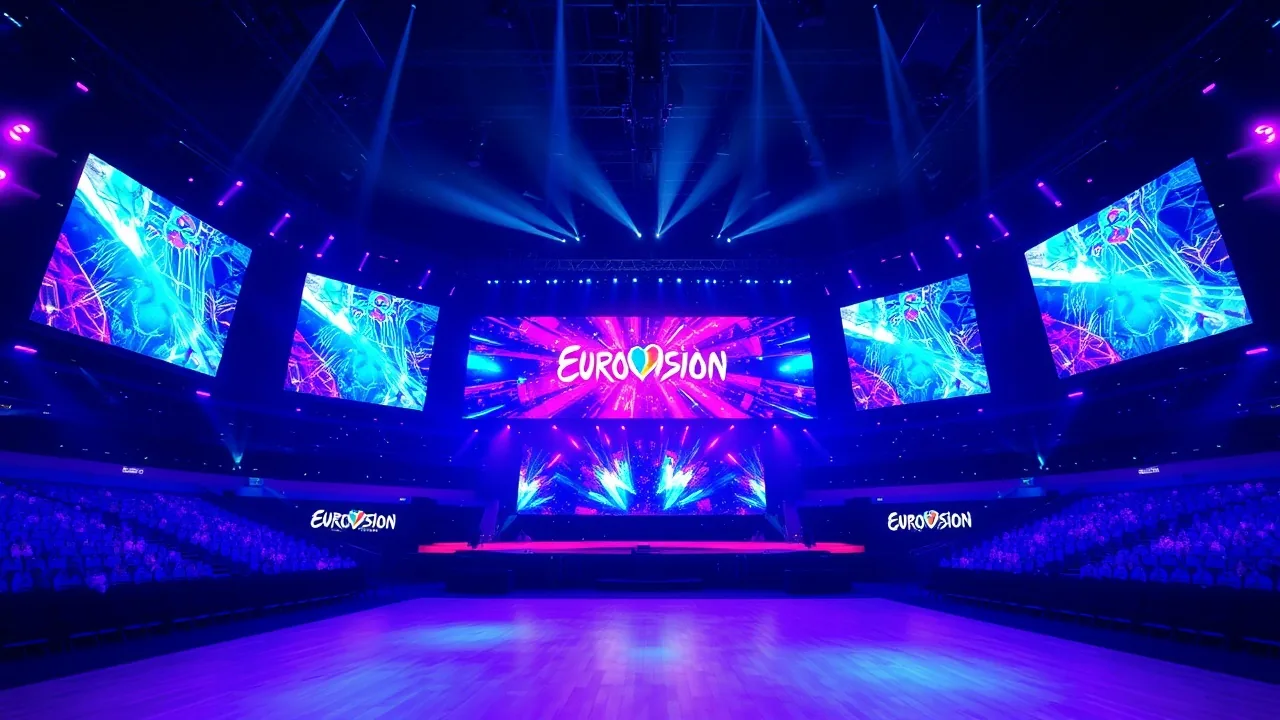
The Eurovision Song Contest has already begun capturing attention months ahead of its 2026 edition, with industry observers and devoted fans parsing entry lists, studio releases, and viral moments to identify which acts will claim the coveted trophy in May. Early intelligence suggests a diverse field of contenders across the participating nations, each vying for the prestige and global audience that only Europe's largest music competition can deliver.
According to Martin Katz, a senior analyst at the European Broadcasting Union's research division, "We are seeing a marked shift toward acts that blend traditional songwriting with cutting-edge production. The 2026 contest will reward both emotional depth and technical sophistication." This dual demand reflects how the voting public and national juries have evolved over the past several contests.
National broadcasters submitted their preliminary artist confirmations in April 2026, and preliminary betting markets already show clear patterns. Several countries have historically strong performance bases, while others are deploying fresh talent in hopes of a breakthrough.
Established Powers and Emerging Challengers
Sweden, Italy, and the Netherlands remain statistical powerhouses, each with multiple top-10 finishes in the past decade. This year, Sweden's entry is a moody synth-pop number penned by a Grammy-nominated songwriter; early fan reaction on social media has been positive, though not overwhelming. Italy's contribution leans into operatic influences, a calculated gamble on the jury vote that has paid off before.
Less traditional powerhouses are making bold moves. Lithuania, Georgia, and Ukraine have each confirmed strong vocal talent and original compositions. Ukraine's entry, in particular, has generated buzz for its multilingual chorus and dance-pop production—a sharp departure from the ballad-heavy tradition of recent years.
France and Germany, despite their large markets, have historically underperformed at Eurovision relative to their cultural weight. Both nations are aware of this gap and have invested in fresh-faced artists with genuine international appeal rather than established domestic stars. France has selected a 22-year-old electronic music producer; Germany's choice is a rock-influenced vocalist with a growing Spotify following.
Song Contest Predictions and Genre Trends
The song contest predictions community—a sprawling ecosystem of YouTube reviewers, fan forums, and casual observers—is converging on several aesthetic patterns. Upbeat, hook-driven pop songs are trending, but so are atmospheric ballads that prioritize vocal performance and orchestral arrangement. The middle ground of mediocre, forgettable rock-influenced tracks appears to be a losing strategy, just as it has been for the past three years.
European music at the contest stage is increasingly international in scope. Many participating artists have recorded with Los Angeles-based producers, enlisted Scandinavian pop hit-makers, and studied American chart trends. This globalization has narrowed the stylistic variance once distinctive to Eurovision, though passionate nationalists argue it has raised overall musical quality.
A critical variable is the performance logistics. The contest's 2026 venue, Rotterdam's Ahoy Arena, offers state-of-the-art staging and lighting capabilities. Producers and national teams are already designing visual spectacles that exploit these technical strengths. Acts planning elaborate choreography, pyrotechnics, or interactive staging will have clear advantages over static, mic-stand performances.
One contingent of analysts points to the jury voting reform implemented in 2024, which continues into 2026. The shift toward a 50-50 split between jury and public votes has subtly elevated the importance of emotional resonance and relatability. Technical perfection alone no longer guarantees victory.
Fan Favorites and Dark Horse Picks
Online voting simulations and fan polling reveal interesting fault lines. The fan favorites are not always identical to the jury's presumed preferences. A recent poll by Eurovision fan site Wiwibloggs showed a Balkan hip-hop fusion track, entered by Serbia, generating enormous enthusiasm on TikTok and Instagram, despite prognostications from traditionalists that it might be too niche.
Dark horse contenders—nations rarely in the spotlight—include Switzerland (returning after a brief absence with a synth-pop act), Portugal (with a fado-influenced contemporary pop hybrid), and Poland (backing a high-energy dance track). These underdogs often surprise in live performance, partly because they face lower expectations and partly because their entries are fresher to international ears.
The 2026 entertainment landscape around the contest itself is also shifting. Streaming platforms are investing in behind-the-scenes documentary series, multiple broadcasters are offering expanded pre-contest content, and TikTok creators are already staging mock competitions and reaction videos. This expanded media footprint means that buzz can build faster than in previous years, potentially boosting underdogs with strong narrative arcs.
Greece and Cyprus, historically sympathetic voting blocs within the contest's structure, have both submitted entries with strong emotional cores. Greece's ballad is about displacement and belonging, while Cyprus's track focuses on personal resilience. Both are positioning themselves as potential jury favorites, though public votes may favor the more upbeat competition entries.
Betting markets as of mid-May 2026 list Austria and Belgium as slight favorites, reflecting their entries' combination of vocal quality and modern production. However, one industry insider noted that Eurovision's unpredictability—its strongest draw for viewers—remains intact. Surprises and upsets have always been part of the contest's DNA, and no statistical model captures the volatility of live voting across forty-plus nations.
The final performances will take place in late May 2026. Until then, music competition enthusiasts will continue dissecting studio recordings, analyzing choreography, and debating national strategic choices. The true art of Eurovision prediction lies not in identifying the certain winner, but in recognizing which acts have the intangible quality that transforms a good song into a cultural moment.