
SpaceX Stock: Aerospace Industry Growth in 2026
SpaceX continues reshaping private aerospace investment in 2026, with analysts tracking its influence on rocket technology and the broader space economy.

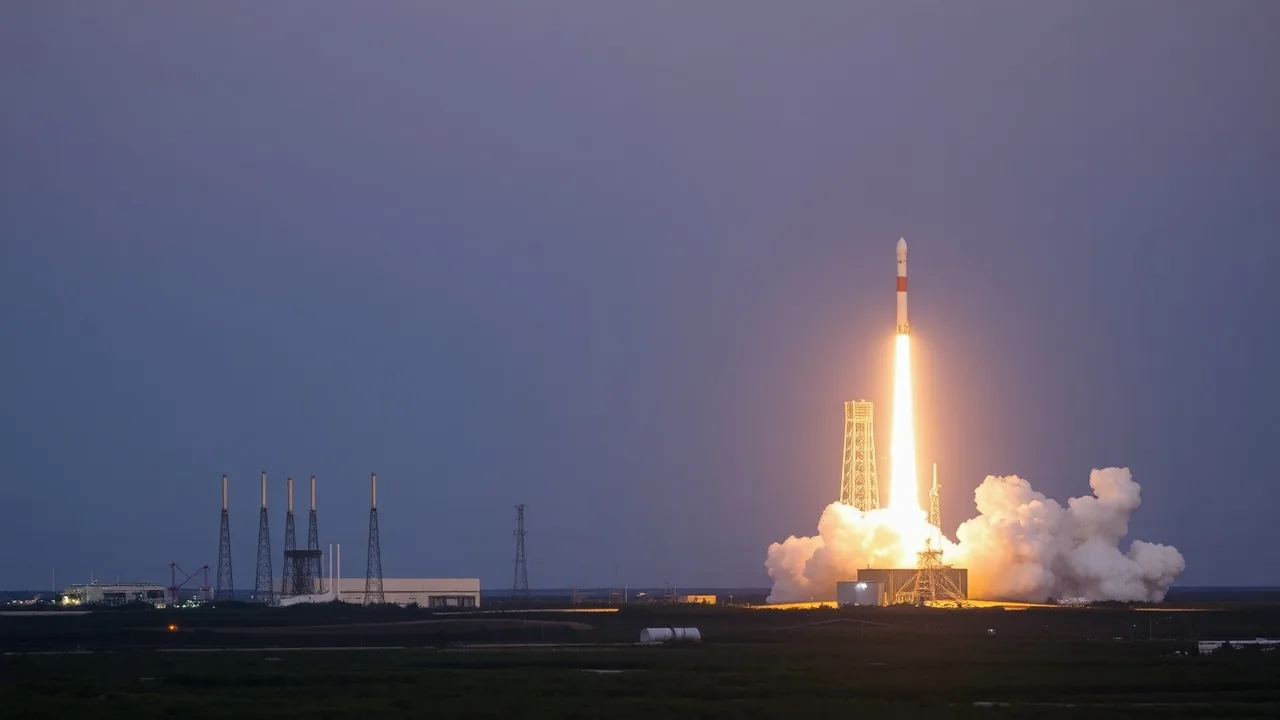
Elon Musk's SpaceX remains at the center of investor attention as the private aerospace sector accelerates toward profitability and mission expansion in mid-2026. The company, which achieved a valuation approaching $180 billion in its latest private funding round, has become a bellwether for the entire private aerospace industry as it pursues reusable rocket systems and commercial space station logistics.
Institutional investors and venture capital firms are closely monitoring SpaceX's trajectory because it signals broader confidence in the commercial space economy. The company's rapid iteration cycles on Starship, its fully reusable super-heavy lift vehicle, have demonstrated technical progress that reduces per-launch costs and attracts government and commercial contracts alike.
"SpaceX has fundamentally altered the economics of space access," said Morgan Stanley aerospace analyst Adam Jonas in a June 2026 report. "Their success in reusability directly impacts how the entire industry allocates capital and prices services. It's not just about one company anymore; it's about the structural change they've forced across the sector."
Market Position and Financial Drivers
SpaceX generates revenue through multiple channels: government contracts with the U.S. Department of Defense and NASA, commercial satellite launches via its Starlink division, and cargo resupply missions to the International Space Station. In 2026, annual revenue is projected to exceed $5 billion, up from approximately $4 billion in 2025.
The company's government contracts represent a significant revenue stream. NASA's contract to use SpaceX's Crew Dragon vehicle for astronaut transport ensures steady income, while Defense Department agreements for national security launches provide long-term predictability. These contracts reduce revenue volatility compared to purely commercial operations.
Starlink, SpaceX's satellite internet constellation, has shifted toward profitability after years of aggressive expansion. The service now operates in over 100 countries and territories, with subscriber growth reaching 4 million users as of July 2026. This segment offers higher-margin recurring revenue that differs markedly from traditional launch services.
Equity analysts tracking SpaceX stock privately emphasize that the company's path to an IPO remains uncertain. Musk has indicated reluctance to pursue public markets while development cycles continue, preferring to maintain operational flexibility and long-term investment horizons.
Competition and Industry Disruption
The competitive landscape in commercial launch services has intensified since 2023. Rocket Lab, Axiom Space, Blue Origin, and emerging Chinese providers all pursue portions of the growing satellite deployment and space tourism markets. Yet SpaceX maintains technological and cost advantages through its reusability focus and manufacturing scale.
Blue Origin's New Shepard suborbital flights and New Glenn orbital vehicle development represent serious competition for certain mission profiles. Rocket Lab's Electron rocket serves smallsat operators with launch costs under $15 million per flight. These competitors address specific market segments but have not yet matched SpaceX's integrated ecosystem of launch, spacecraft, and orbital infrastructure.
The aerospace industry increasingly depends on rocket technology advances. SpaceX's demonstrated ability to land and refly first-stage boosters over 20 times has become the industry standard for feasibility. Competitors must now offer reusability or face cost-disadvantage arguments when bidding on contracts.
Traditional defense contractors Lockheed Martin and Boeing maintain dominant positions in government space budgets through established relationships and political support. However, their reliance on expendable launch vehicles exposes them to gradual market share erosion as reusable systems mature and costs fall.
Forward-Looking Catalysts and Risks
Several developments in the second half of 2026 could influence investor perception of the private aerospace sector:
- Starship's continued test flight cadence and refinements toward orbital refueling capabilities
- NASA's decision on deep space logistics contracts that could favor reusable platforms
- Starlink's subscriber growth and average revenue per user trends
- Regulatory approvals for more frequent Starship launches from Texas facilities
Regulatory delays represent a material risk. The Federal Aviation Administration's licensing process for high-cadence launches from SpaceX's Boca Chica facility in Texas has occasionally slowed operations. Environmental assessments and safety reviews could restrict launch frequency if accidents occur or new concerns emerge.
Geopolitical tensions also pose downside risks. Export controls on space investment technology, potential sanctions on space cooperation with allied nations, or shifts in Pentagon procurement strategy could alter revenue expectations. Conversely, increased military spending on space capabilities could boost demand for responsive launch services.
The broader economic environment matters as well. If venture capital dries up or institutional investor appetite for aerospace exposure declines, private sector space projects could face funding constraints. This would reduce competition for SpaceX but lower overall industry growth.
SpaceX's valuation already reflects substantial execution risk and long-term growth optionality. Current private market prices imply expectations for significant expansion in commercial space stations, lunar logistics, and eventually Mars transportation. Investors betting on aerospace growth through SpaceX or competitors must accept that these timelines remain subject to technical and regulatory uncertainty.
For now, SpaceX remains the industry's technological and financial leader, with a development roadmap that stretches well beyond 2026. Its private ownership structure allows patient capital allocation and experimental approaches that public companies cannot easily match. Whether that advantage persists as competition intensifies and regulatory scrutiny deepens will shape the future of private aerospace investment.