
SpaceX Satellites Spark Accidental Geoengineering Study
SpaceX's rapidly growing satellite constellation is unintentionally creating a large-scale atmospheric experiment, prompting scientists to study its potential impacts on Earth's climate.

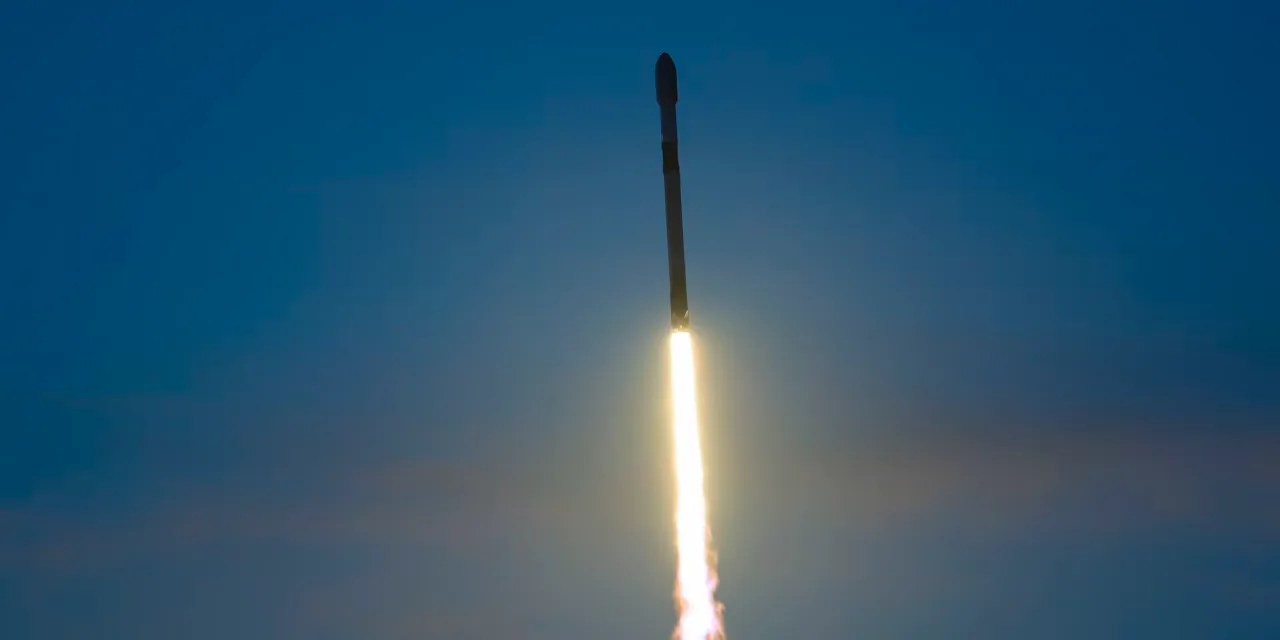
The rapid proliferation of satellites, particularly those launched by SpaceX, is inadvertently transforming Earth's upper atmosphere into a vast, unintended laboratory for geoengineering research. Scientists are now observing and analyzing the complex chemical reactions occurring as these spacecraft interact with atmospheric particles and sunlight, raising questions about the long-term environmental consequences.
The sheer volume of satellites, many part of Elon Musk's Starlink internet constellation, has led to a noticeable increase in artificial material within the mesosphere and thermosphere. This concentration of metallic particles, shed from decaying satellites and rocket stages, is creating an unprecedented phenomenon. Researchers are particularly interested in how these particles might influence cloud formation and atmospheric chemistry, processes that could potentially affect global temperatures.
Atmospheric Alterations Under Scrutiny
Dr. Anya Sharma, an atmospheric physicist at the European Space Agency, noted the unique opportunity this presents. "While the increase in space debris is a significant concern for orbital operations, it has also presented an unexpected, real-world experiment," Dr. Sharma stated. "We're seeing interactions that were previously only theoretical. The deposition of aluminum and other materials from burning satellites as they re-enter the atmosphere is altering the chemical composition at altitudes where we have very little direct data."
Initial studies suggest that these particles can act as condensation nuclei, potentially affecting the formation of noctilucent clouds, which are the highest clouds in Earth's atmosphere. Some scientists theorize that an increase in these man-made particles could lead to more frequent or brighter displays of these ethereal, ice-crystal clouds. However, the broader implications for climate are still unknown and require extensive investigation.
The implications extend beyond cloud formation. The deposition of these materials could also influence the electrical properties of the ionosphere, affecting radio communications and satellite operations. Understanding these changes is crucial for both scientific understanding and ensuring the continued functionality of space-based technologies. The sheer scale of the SpaceX satellite deployment means that any subtle atmospheric effect could be amplified significantly.
This situation underscores a growing debate within the scientific community about the cumulative impact of space activities. As more companies pursue ambitious satellite constellations for communication, observation, and even space-based computing, the potential for unintended environmental consequences becomes a more pressing issue. The long-term effects of introducing significant quantities of foreign materials into the upper atmosphere are not yet fully understood, making ongoing monitoring and research essential.
The development highlights the need for international cooperation and regulation regarding satellite deployment and end-of-life management. Without clear guidelines, the risk of uncontrolled atmospheric alteration increases. The current situation with SpaceX satellites serves as a stark reminder that activities on Earth, and now increasingly in orbit, have interconnected environmental ramifications.