
SpaceX Rocket's Moon Crash Sparks Debate on Lunar Governance
An abandoned SpaceX rocket stage is set to collide with the Moon on August 5, 2026. While the crash itself is scientifically interesting, it highlights a critical gap in international regulations for lunar activities.

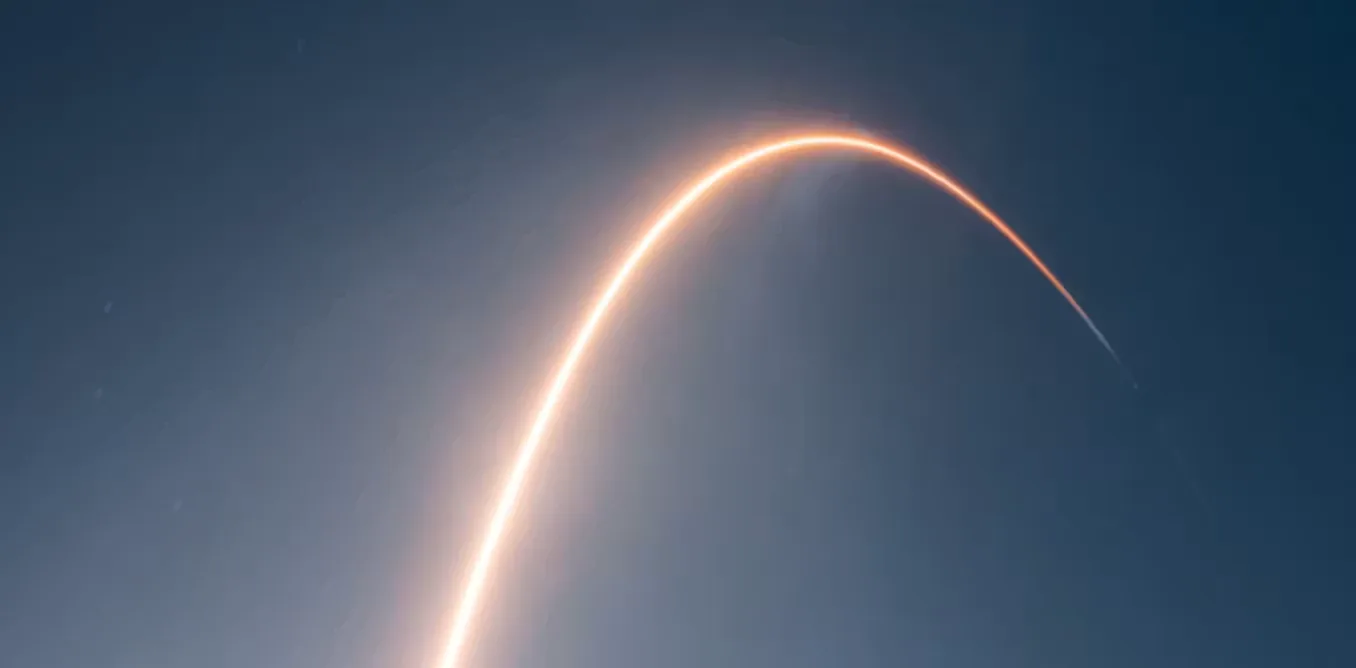
An abandoned SpaceX rocket stage is scheduled to impact the Moon on August 5, 2026, traveling at approximately 8,700 kilometers per hour. The rocket, launched in January 2025 to carry two commercial lunar landers, ran out of fuel after completing its primary mission. It has since remained in an unstable orbit, with lunar gravity now directing it toward a collision course with the surface. The immediate impact, however, is not the primary concern; instead, the event is bringing to light a significant and growing regulatory challenge as nations and private entities accelerate plans for a permanent presence on the Moon.
For astronomers, the impending crash presents a unique scientific opportunity. Knowing the rocket's trajectory, size, and impact velocity will allow researchers to gather valuable data on crater formation and the behavior of lunar dust, scientifically known as regolith. Scientists anticipate the impact will create a crater approximately 20 to 30 meters wide and eject a plume of regolith several kilometers into the lunar atmosphere. This event will provide crucial data to refine existing computer models that simulate celestial impacts.
The Longevity of Lunar Markings
Beyond the scientific data, the collision raises a fundamental question: who has the authority to permit actions that permanently alter the lunar landscape? Unlike Earth, the Moon lacks an atmosphere and weather systems, meaning any physical changes left behind will endure for millennia. Human footprints from the Apollo missions, for instance, remain visible over 50 years later and could persist for thousands of years. Accidental impacts, like the impending SpaceX event, will leave similar indelible marks.
As more space agencies, private companies, and research institutions increase their activity on the Moon, the potential for unintended interference between missions grows. The 1967 Outer Space Treaty, signed by 138 nations, forms the bedrock of international space law, prohibiting national sovereignty claims over the Moon. It designates the Moon as a territory for the exploration and benefit of all humankind. However, the treaty provides minimal guidance on practical governance or environmental regulation of the lunar surface. Consequently, the Moon lacks established frameworks comparable to UNESCO World Heritage sites or terrestrial environmental protection laws.
Each nation is responsible for overseeing its own commercial space entities to ensure compliance with both domestic and international regulations. This places the onus on governments, such as the United States, to address potential missteps by companies like SpaceX. Lunar incidents could lead to substantial financial liabilities for companies, potentially amounting to millions of dollars in damages to equipment or infrastructure, such as nuclear-powered lunar bases or sensitive scientific instruments. Accidental fatalities could even result in criminal charges, while damage to culturally or scientifically significant sites could trigger international diplomatic crises.
The proximity of the crash site, near the relatively isolated Einstein Crater, is considered fortunate, minimizing the risk to historically significant lunar locations. Nevertheless, the incident underscores the urgent need for greater transparency and coordination among all lunar actors. As commercial enterprises invest heavily in lunar exploration and development, the legal and regulatory frameworks are struggling to keep pace with technological advancements and the increasing frequency of lunar missions.
International bodies such as the United Nations Office for Outer Space Affairs (UNOOSA) and the Committee on the Peaceful Uses of Outer Space are actively exploring potential solutions. Working groups are examining regulatory approaches for space resource utilization and better coordination of lunar activities. However, these institutions face significant resource constraints, with UNOOSA operating with a limited staff and the Committee convening for only a few weeks annually.
Moving forward, the international community requires not necessarily new legislation, but the practical implementation of existing treaties. Article XI of the Outer Space Treaty mandates states to share information about their space activities, a provision that is becoming essential for operational safety. A proposed solution involves establishing a lunar registry, similar to UNOOSA's satellite registry, where nations could voluntarily disclose planned activities, infrastructure, and sites of cultural importance. This registry would complement existing systems by capturing the unique operational details pertinent to the lunar environment. Analogous to aviation's Notices to Airmen and maritime's Notices to Mariners, a standardized system of Notices to Lunar Operators could disseminate critical information about landing zones, rover paths, and potential hazards before missions commence.
Calls are mounting for a fourth UN Conference on Outer Space, which could serve as a vital forum for governments, industry, and scientists to collaboratively develop these necessary regulatory tools. While this particular SpaceX rocket's fate is sealed, the lessons learned from its uncontrolled descent could help prevent future accidents, ensuring a more organized and responsible approach to humanity's growing presence on the Moon. The responsibility for managing this evolving frontier ultimately rests not just with rocket scientists, but with space lawyers and diplomats shaping future international policy.