
New 'Neighbor' Planet GJ 3378b Found 25 Light-Years Away
Astronomers have identified GJ 3378b, an exoplanet 25 light-years away, that shows potential for habitability due to its size and location in its star's "Goldilocks zone."

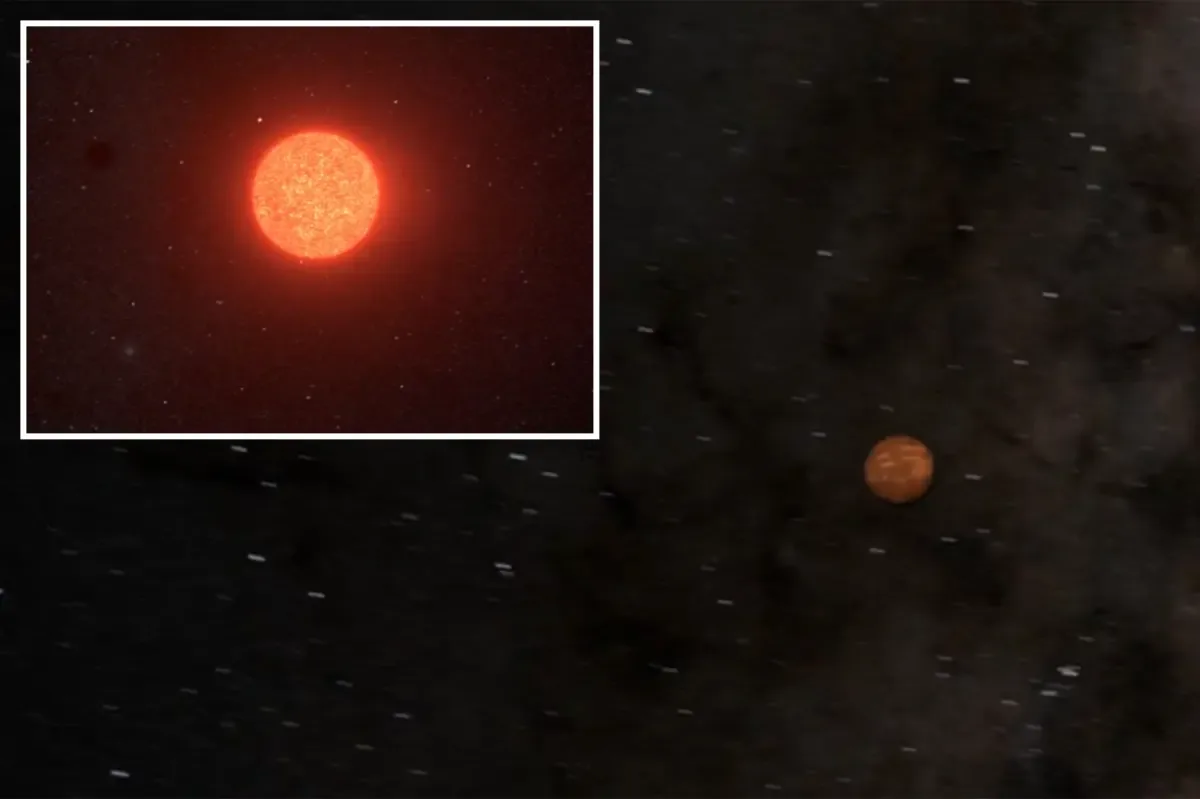
Astronomers have announced the discovery of GJ 3378b, an exoplanet located a mere 25 light-years from Earth, which is being hailed as a potential "next-door neighbor" in the ongoing search for extraterrestrial life. The finding, detailed in a new study published in The Astrophysical Journal, marks a significant step in identifying worlds that could harbor life beyond our solar system. Paul Robertson of the University of California, Irvine, who led the research, expressed excitement over the planet's proximity, noting that while 25 light-years is vast in human terms, it is relatively close within the scale of the Milky Way galaxy.
GJ 3378b is approximately twice the size of Earth and orbits its star within the so-called "Goldilocks zone." This is a critical region where surface temperatures are neither too hot nor too cold, creating the conditions necessary for liquid water to exist – a fundamental requirement for life as we know it. The planet's position on the edge of the "cosmic shoreline" is also crucial, as it determines the planet's ability to retain an atmosphere based on the balance between its gravity and the radiation it receives from its host star.
"If you scale the Earth down to the size of an apple, its atmosphere would be about as thick as the skin of the apple," explained Robertson. "That’s just enough to maintain the kinds of surface pressures where you can have liquid water." He further elaborated that such an atmosphere could also be sufficient for breathable air and offer some protection against the harsh radiation of space.
Atmospheric Questions Remain
A key factor in determining GJ 3378b's habitability is the presence and composition of its atmosphere. "Whether the planet has an atmosphere remains a crucial component of its ability to host life," stated Gogod James, a UC Irvine student and co-author of the study. Further observations are required to confirm if an atmosphere exists, which would then "justify further research looking for biosignatures, liquid water or other signs of life that require both an atmosphere and the right amount of heating from the host star," James added. The presence of an atmosphere would also be vital for shielding potential life from cosmic radiation.
The discovery comes at a time when space agencies are intensifying their efforts to explore exoplanets. NASA's upcoming Habitable Worlds Observatory, slated for launch within the next two decades, is specifically designed to search for chemical signatures in exoplanet atmospheres that could indicate the presence of life. This new planet, GJ 3378b, could become a prime target for such future investigations. Robertson concluded with enthusiasm, "I think that’s just too much fun," highlighting the profound implications of finding potentially life-supporting worlds so close to our own.