
NASA Jobs: Career Paths in Space Exploration for 2026
NASA is actively hiring for dozens of roles across engineering, science, and mission support in 2026. Learn what qualifications the space agency seeks and how to apply.

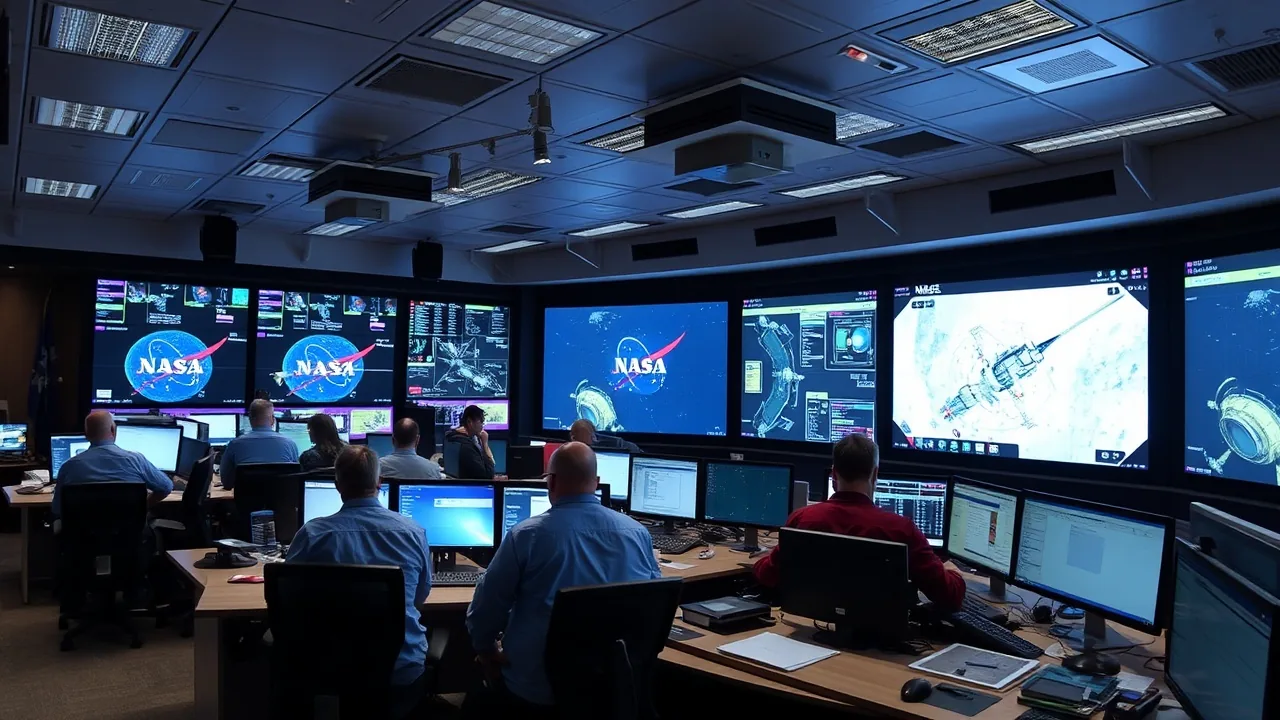
The National Aeronautics and Space Administration posted more than 150 job openings across its 10 field centers in July 2026, marking one of the agency's largest recruitment pushes in five years. From the Kennedy Space Center in Florida to the Jet Propulsion Laboratory in California, NASA is building teams for the Artemis lunar program, Mars exploration initiatives, and next-generation space telescope operations.
Current hiring urgency stems from workforce retirements and the acceleration of multiple flagship missions. The Artemis II crewed lunar mission, scheduled for 2026 and 2027, requires electrical engineers, systems analysts, and propulsion specialists. NASA's Human Resources office reported in a statement that "we are seeking talented professionals at all experience levels to support humanity's return to the Moon and eventual Mars exploration."
The open positions span multiple disciplines. Aerospace careers at NASA include software developers, flight controllers, structural engineers, and safety inspectors. Beyond technical roles, the agency hires project managers, budget analysts, communications specialists, and human resources professionals. Entry-level positions often require a bachelor's degree; senior roles typically demand 5 to 10 years of relevant experience.
Qualifications and Pathways to NASA Employment
Most NASA careers require U.S. citizenship and a top secret security clearance. Technical positions demand degrees in science, technology, engineering, or mathematics (STEM). The agency accepts candidates from non-traditional backgrounds, particularly through its Pathways program, which creates internship and early-career tracks for recent college graduates.
Specific requirements vary by position. Electrical engineers typically need a degree in electrical engineering or physics and demonstrated proficiency in circuit design or power systems. Software developers must show competency in languages such as C++, Python, or Java, along with experience in real-time or embedded systems. Mission control specialists often start as interns or in training roles before advancing to flight controller status, a certification process that takes 18 months to three years.
Space exploration roles increasingly require cross-functional skills. A propulsion engineer, for instance, might need rocket engine design experience but also must understand regulatory compliance and interdisciplinary problem-solving. NASA's recruitment materials emphasize adaptability, collaborative ability, and a commitment to the agency's mission of advancing scientific discovery.
The application process begins on USA Jobs, the federal government's official employment portal. Candidates create a profile, upload a resume and cover letter, and wait for HR to screen submissions. The full hiring cycle typically takes 3 to 6 months, including interviews, background checks, and security clearance adjudication.
Why NASA is Hiring Now and What's on the Horizon
Artemis represents NASA's most visible motivation for expanded hiring in 2026. The program aims to land humans on the lunar south pole by 2026 and establish a sustained presence through the 2030s. This requires teams not only at Kennedy Space Center but also at the Glenn Research Center in Ohio, which manages engines and propulsion systems, and at the Johnson Space Center in Texas, which oversees astronaut training and mission control.
Beyond lunar missions, astronomy jobs are expanding as NASA operates the James Webb Space Telescope and develops the next generation of observatories. The agency's Astrophysics Division is hiring data scientists and instrument specialists to process the unprecedented volume of images and spectroscopy data flowing from space-based assets.
Mars exploration timelines also drive recruitment. NASA's Perseverance rover and upcoming sample return missions require planetary scientists, roboticists, and systems engineers. Dr. Sarah Chen, chief scientist at the Planetary Science Institute, noted in an interview that "NASA's cadence of missions to Mars has created sustained demand for specialized talent. We're not seeing a boom-and-bust cycle anymore; this is baseline growth."
Climate science hiring is another growth area. NASA's Earth Science Division operates a constellation of satellites that monitor atmospheric conditions, sea surface temperatures, and ice sheets. These programs need remote sensing specialists, climate modelers, and environmental engineers.
The median salary for a NASA engineer or scientist with a few years of experience ranges from $75,000 to $95,000 annually, depending on location and specialty. Senior positions exceed $130,000. Federal employees also receive comprehensive health insurance, retirement contributions, and 26 days of paid annual leave.
Getting Started: Resources and Next Steps
Candidates interested in NASA jobs should start by exploring the agency's careers website and setting up job alerts on USA Jobs filtered for NASA. The Pathways program is particularly valuable for undergraduates and recent graduates; internships often lead to permanent positions within two years.
Networking matters in aerospace hiring. Attending NASA social media events, science conferences, and recruitment fairs hosted at universities increases visibility. Many NASA centers host open house events twice yearly, allowing applicants to meet current employees and learn about specific teams.
For those pursuing future astronauts aspirations, the astronaut selection process is separate from general NASA hiring. The agency selects new astronaut classes every 4 to 8 years; the most recent class was selected in 2021. Applicants must hold a master's degree in a STEM field, have at least three years of professional experience, and pass rigorous medical and psychological evaluations. However, working at NASA in a technical or scientific role first significantly strengthens astronaut candidacy.
Regardless of career stage, the July 2026 hiring surge represents a concrete opportunity for science jobs and engineering positions at the nation's space agency. The application window for most positions remains open through August 2026, with rolling selections continuing through fall.