
Buck Moon, Meteor Showers Light Up Skies This Week
The night sky offers celestial wonders this week with the Buck Moon rising and multiple meteor showers visible. Early risers can also spot Mercury.

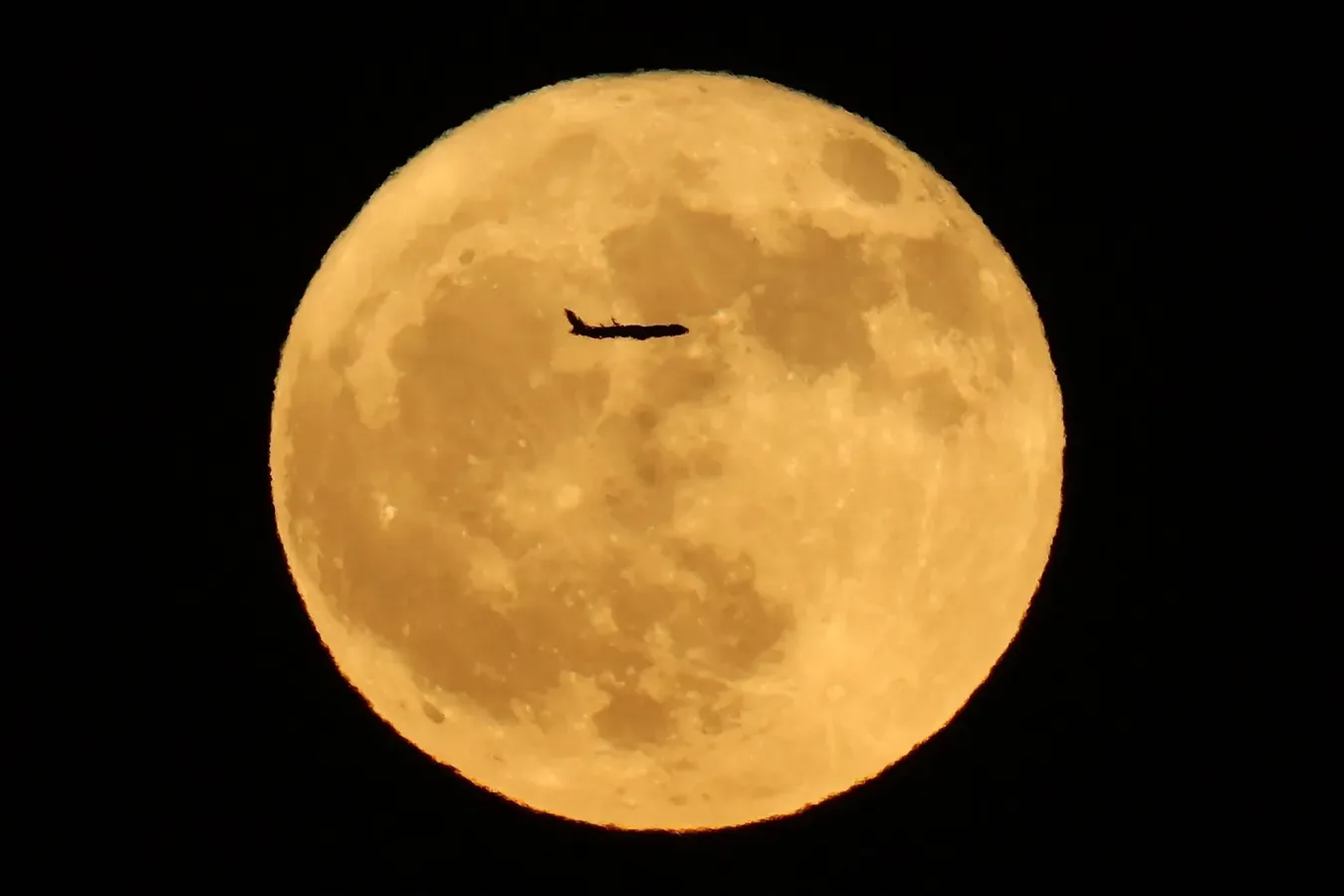
Stargazers across North America and the Northern Hemisphere can anticipate a week of celestial events from July 27 to August 2, 2026. The full Buck Moon is set to rise, accompanied by ongoing meteor showers, offering ample opportunities for astronomical observation. Early risers will also have the chance to spot the planet Mercury low on the horizon.
The full Buck Moon, named for the time of year when male deer begin to grow their antlers, will appear on Wednesday. With an unobstructed view to the southeast, observers can witness the moon rising with a deep orange hue. This lunar event occurs exactly two weeks before a significant total solar eclipse scheduled for August 12, a major astronomical highlight of the year. Coinciding with the Buck Moon's rise is the peak of the annual Perseid meteor shower, which is expected to produce up to 50 shooting stars per hour under optimal, dark sky conditions.
Meteor Shower Spectacle Amidst Moonlight
While the bright light of the Buck Moon might pose a challenge for observing fainter meteors, brighter fireballs will still be visible. To maximize viewing potential, observers are advised to face away from the moon and use natural obstructions like buildings or trees for shade. The Delta Aquariid meteor shower, active from July 12 to August 23, peaks overnight on July 30-31. This shower originates from debris left by comet 96P/Machholz. Although the Delta Aquariids can be faint, the Alpha Capricornids, which produce fewer meteors (around 5 per hour), are often noted for their bright fireball displays.
The upcoming weeks promise further celestial excitement. On August 12, the new moon will pass directly between the Earth and the sun, causing a total solar eclipse. The path of totality will traverse eastern Greenland, western Iceland, and northern Spain, where the sun's corona may be visible for up to 2 minutes and 18 seconds, weather permitting. A partial eclipse will be visible across Western Europe and North America. It is crucial for viewers to wear specialized solar eclipse glasses to protect their eyes during the partial eclipse phase.
These astronomical timings and visibility predictions are generally applicable to mid-northern latitudes. For precise, location-specific information on viewing celestial events, consulting online planetariums such as Stellarium is recommended. The summer of 2026 continues to be a remarkable period for astronomy enthusiasts, with multiple significant events occurring in close succession, offering a dazzling display of cosmic phenomena.