
Ancient Mediterranean Elites Wore Rings Forged From Meteorite Iron
New research reveals that ancient Minoan and Mycenaean elites in the Mediterranean wore rings crafted from meteorite iron, likely as symbols of power and prestige. The study analyzed 91 iron artifacts, finding 13 rings made from extraterrestrial metal.

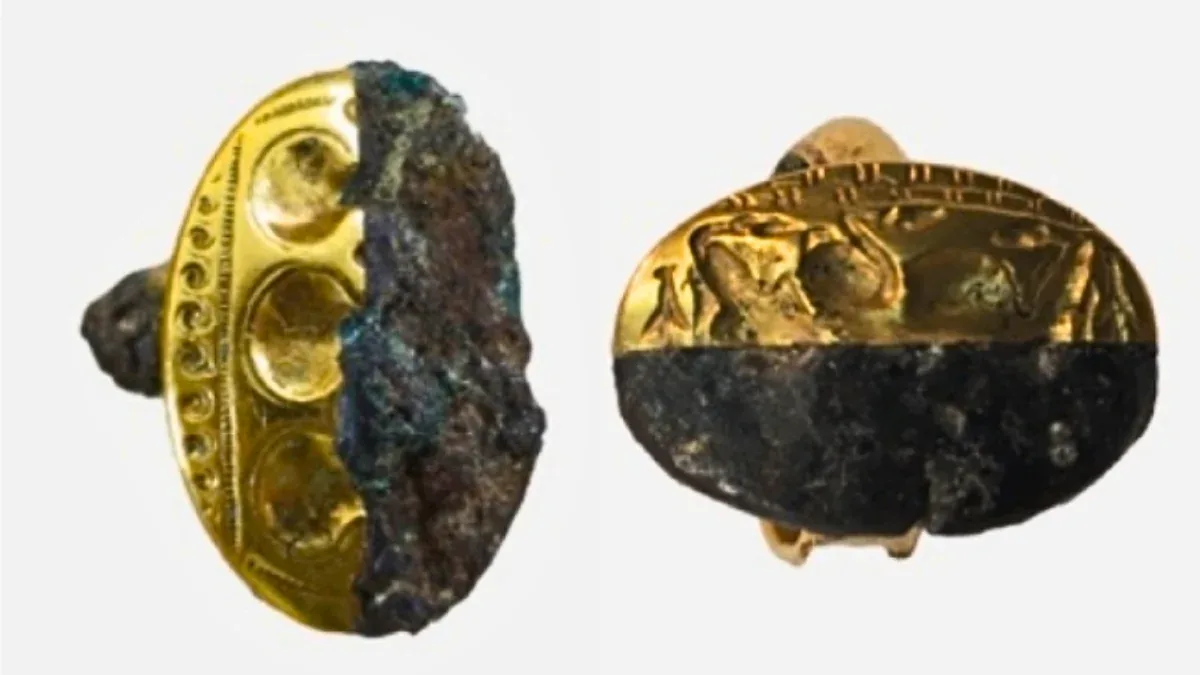
Ancient elites in the Mediterranean, specifically the Minoan and Mycenaean civilizations, adorned themselves with rings made from iron sourced from meteorites, according to a recent study published in the Journal of Archaeological Science. These striking pieces of jewelry, dating back approximately 3,000 to 3,800 years, were likely symbols of power and high status among prominent individuals. The research analyzed dozens of iron artifacts, predominantly rings, bracelets, and knives, unearthed from luxurious burial sites.
The study's findings suggest that the use of meteoritic iron in these adornments was not random. Researchers utilized non-destructive X-ray fluorescence to examine 91 iron objects from the Bronze Age. They identified that 13 of these artifacts, all of which were ornate finger rings, contained nickel, a strong indicator of extraterrestrial origin. These rings often incorporated precious metals like gold and silver and featured bezels that may have held signets, hinting at their use by individuals of significant standing, possibly royalty or religious leaders. One notable discovery includes a ring found still on the finger of a presumed high priest in a Minoan necropolis.
The Dawn of Smelted Iron
Beyond the allure of cosmic metals, the research also sheds light on the adoption of terrestrial iron smelting in the region. While 13 objects showed evidence of meteoritic iron, a larger number, 78 iron objects, were found to be made from smelted iron. The study indicates that the use of smelted iron began during the Bronze Age, potentially as early as 1400 BCE. However, compared to regions like Anatolia, the adoption of man-made iron appears to have been somewhat delayed in Greece. Researchers speculate that items made from smelted iron might have been imported from areas such as Cyprus or Egypt, where ironworking technology may have been more advanced at the time.
The prevalence of meteoritic iron in jewelry, rather than tools or weapons, suggests a symbolic and perhaps even spiritual significance. The rarity and exotic nature of metal from the sky would have undoubtedly set the wearer apart. This practice aligns with historical accounts of meteorites being valued across different cultures for their unique properties and perceived mystical qualities, used for everything from tools in Greenland to talismans in Egypt, famously seen in the dagger of Tutankhamun.
The fashion for these distinctive meteorite rings seems to have persisted until around 1200 BCE. The researchers propose that the decline of this trend could be attributed to several factors. These might include difficulties in sourcing the meteoritic iron, shifts in demand, or simply the natural evolution of fashion. As with any trend, especially among elite circles, the allure of the celestial may have eventually faded, replaced by new aesthetic preferences or material innovations in metallurgy.