
Windows 11 Sidebar Adds Microsoft Copilot Back to Operating System
Microsoft is reintroducing Copilot as a sidebar feature in Windows 11. This move brings the AI assistant back into the OS after its functionality was integrated differently in previous updates, prompting user debate.

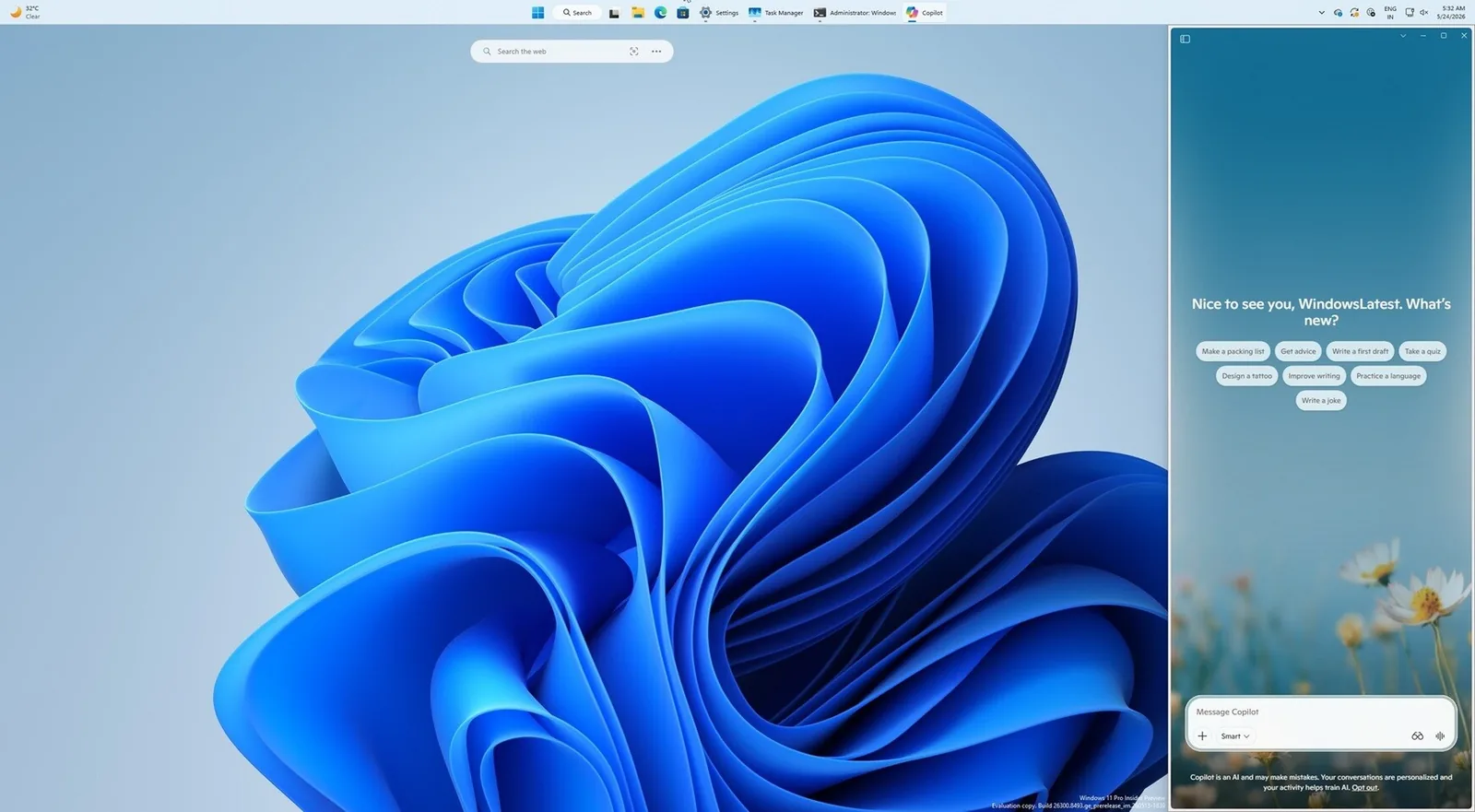
Microsoft is bringing its AI assistant, Copilot, back into the core Windows 11 experience through a dedicated sidebar. This strategic integration aims to make the AI tool more accessible and integrated into daily workflows for users. The return to a sidebar format follows earlier iterations where Copilot was presented differently within the operating system, sparking discussions among users about its implementation and necessity.
The decision to re-embed Copilot as a sidebar feature marks a notable shift in Microsoft's approach to AI integration within its flagship operating system. Previously, Copilot's presence evolved, with users experiencing various integration methods. This latest move suggests Microsoft is consolidating its AI strategy, prioritizing a persistent and easily accessible interface for its artificial intelligence capabilities. This aligns with a broader industry trend of embedding AI assistants more deeply into computing environments.
User Reactions and Concerns Emerge
The reintroduction of Copilot has already generated significant commentary from users, many of whom express mixed feelings. Some users, like _roman_, have voiced skepticism, questioning the value and necessity of the integrated AI. "They have to sell it most likely as there are so many Copilot services available," _roman_ commented, referencing a perceived push to integrate AI across various platforms. This sentiment is echoed by others who feel that AI features are being added without clear user demand or benefit, drawing parallels to the contentious rollout of other Windows features like Cortana.
Concerns also revolve around privacy and system intrusiveness. Users like SiliconSeraph pointed out the availability of group policy settings in Windows 11 Pro that allow users to disable or remove AI features like Copilot. "Another instance of GPE (Group Policy Editor) making Windows 11 Pro worth it," they noted, highlighting that such control often requires advanced user knowledge or specific OS versions. The underlying sentiment among some users is that AI integration is being forced rather than offered as a genuinely useful, optional tool. This perspective suggests that Microsoft's push for AI adoption may be driven by product strategy rather than direct user experience improvements.
Background context reveals that Microsoft has been heavily invested in AI, particularly with its partnership with OpenAI. Copilot, powered by advanced large language models, is intended to assist users with a wide range of tasks, from content creation and summarization to coding and system management. However, user adoption and reception have been varied, with critics often citing the intrusiveness and perceived lack of utility compared to standalone AI applications. The move back to a sidebar indicates Microsoft is seeking a balance between making AI readily available and respecting user control over their computing experience.
The debate over AI in operating systems is ongoing. While companies like Microsoft see AI as the future of personal computing, aiming to create an "AI personal computer" where assistants are integral, many users prefer AI tools that are clearly delineated and optional. The effectiveness of Copilot's sidebar implementation will likely depend on its perceived usefulness, unobtrusiveness, and the ease with which users can manage its presence. As pointed out by _JP_, the core issue for many remains whether AI features can be truly optional and local, rather than a persistent, system-level intrusion. The ongoing discussion underscores the challenges in integrating novel technology into established user interfaces while maintaining user satisfaction and trust.