
Brands Mock PlayStation's Disc-Free Future: Nintendo, KFC, and More React
As PlayStation eyes a disc-less future by January 2028, brands like Nintendo and KFC have seized the moment, offering humorous and sometimes critical commentary on Sony's digital shift.

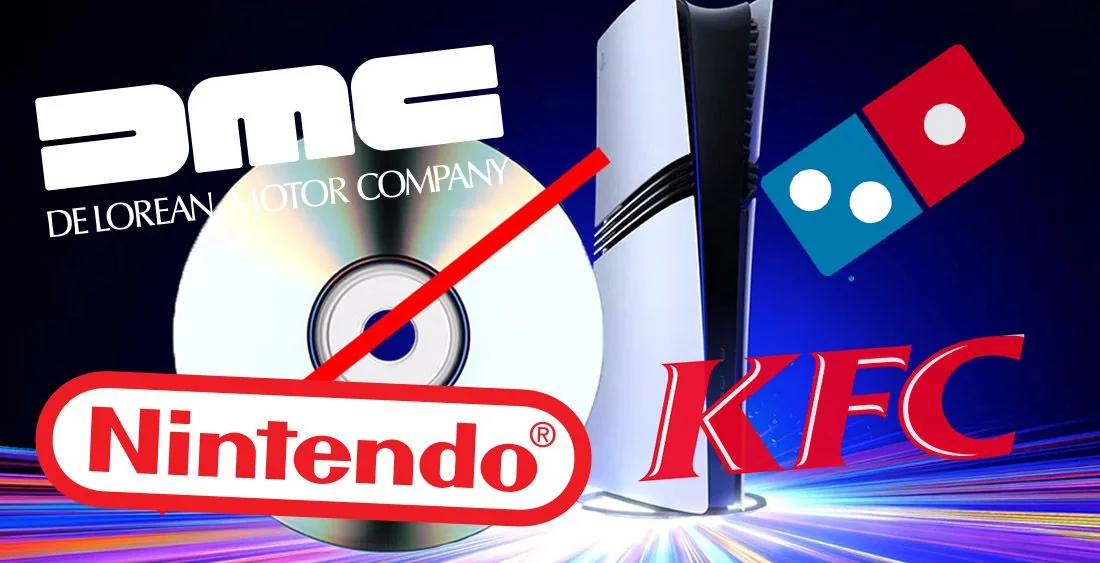
The gaming world is abuzz following Sony's announcement that PlayStation games will cease to be released on physical discs starting January 2028. While some players viewed the move as an inevitable evolution, a significant portion expressed disappointment, particularly in light of Sony's simultaneous announcement of films being removed from digital libraries. Amidst player reactions, numerous brands have weighed in, leveraging the controversy for marketing opportunities through parody and expressions of solidarity.
Digital artist Beeple also shared his perspective, but the broader brand response has been a notable trend. Some companies offered messages of support to disgruntled gamers, while others embraced satire, aiming to capture attention with varying degrees of success. The situation has been likened to an 'April Fools' Day in July,' prompting scrutiny over which brands struck the right chord and which missed the mark.
Nintendo, for instance, alluded to the PlayStation news on its US X account. The post, featuring the character Mario, aimed for humor, but faced some backlash from long-time fans who pointed out the distinction between Nintendo's cartridges and physical game discs. This led to questions about whether the company should have participated at all.
The fast-food industry, particularly KFC, has a history of engaging with the gaming community. Known for unique console designs and turning fictional game ads into real games, KFC's reaction was considered one of the more successful brand parodies. On its Spanish X account, the chain humorously announced a transition to offering food exclusively via its app, described as "fake PNGs," and not in physical format. Responding to widespread inquiries, KFC Spain elaborated by promising DLC for sauces and introducing a "FriedChicken Pass" for a monthly fee. The company even warned against pirating PNGs from platforms like Pinterest.
Brand Satire and Digital Shifts
Rival Domino's Pizza adopted a similar satirical approach on its UK X account, declaring a shift to exclusively digital pizzas. "Consumers will be able to download our full range of delicious pizza codes, and using the power of imagination, enjoy them in an entirely virtual sense," the company stated. A user comment quipped, "At least the digital version will arrive on time."
Even the car manufacturer DeLorean made an appearance, seemingly to remind the public of its continued existence. While many responses came from tech-focused companies, some took an opposite satirical route, announcing that their digital products would become physical. Several cited April 1 as their transition date, a choice that felt uninspired to some observers.
ProtonVPN joked about sending employees directly to customers, while cybersecurity firm Malwarebytes humorously offered to escort customers to doctor's appointments for virus clearing. Within the gaming sector itself, jokes were abundant. The Esports Awards announced a move away from physical trophies, and gaming chair company RESPAWN indicated that chairs would be distributed via digital codes.
Conversely, some brands in the gaming industry adopted a more serious tone, especially retailers. GameFly affirmed its commitment to physical media rentals, stating they would continue until forced to abandon discs. Iam8bit passionately argued for the importance of physical games in preservation, ownership, and consumer choice, proclaiming, "Long live physical media." Game, a UK retailer, issued a rallying cry on its Spanish X account: "Video game lovers, it's time to defend what matters to us." Loot Box Gaming echoed this sentiment on X, suggesting that financial pressure from consumers could influence company decisions.
Sony's decision has sparked a wider debate about the future of physical media. Brands that have a genuine connection with the gaming audience, like KFC Spain, found success by engaging satirically while demonstrating an understanding of player concerns. For other brands, the parodies were less clear, leaving ambiguity about whether they were mocking Sony, the gamers, or simply jumping on a trending topic. The conversation highlights the enduring value placed on physical media by a segment of the consumer base.