
PlayStation Digital-Only Shift Could Lower Game Prices, Ex-Exec Suggests
A former Square Enix executive predicts Sony's move to digital-only PlayStation games from 2028 could increase competition among publishers, potentially leading to lower prices for consumers.

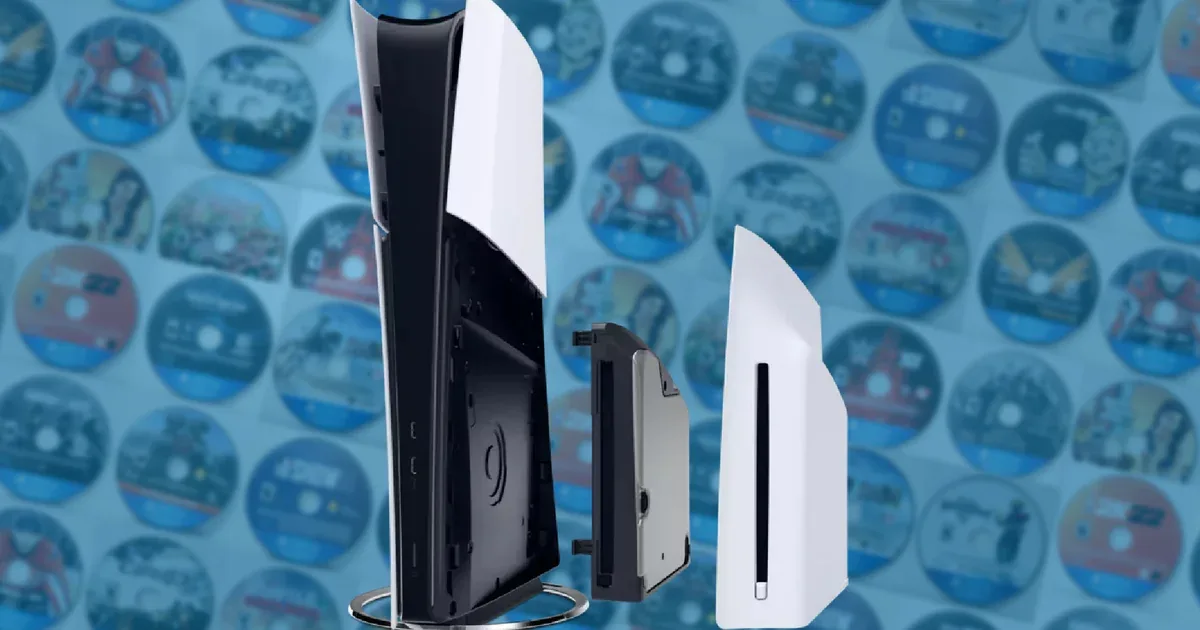
Sony's upcoming transition to a digital-only future for its PlayStation consoles, set to take effect in January 2028, might paradoxically lead to cheaper game prices for consumers, according to Jacob Navok, a former director of business development at Square Enix. Navok, now the CEO of Genvid, shared his analysis on social media, arguing that the end of physical media for PlayStation titles will intensify competition between game publishers, a factor he believes is the primary driver of pricing reductions. Sony announced on July 1st that all game releases from January 2028 onward will be digital, affecting both first-party and third-party titles, including physical codes sold at retail.
Navok's central thesis posits that competition among game publishers, rather than between digital storefronts like the Steam and Epic Games Store, is what truly influences game pricing. He explained that digital store competition largely impacts the revenue share for developers, not the prices consumers pay. Instead, Navok pointed to Steam's historical pricing data, citing the gradual decrease in the price of Final Fantasy 16 on the platform as evidence of how direct competition between titles on the same storefront can lead to dynamic pricing and sales. "The more the PlayStation Store becomes digital only, the greater this trend will accelerate," Navok stated. "You will see more sales and dynamic pricing similar to Steam because publishers will compete among themselves to a greater extent."
Industry Shift Towards Digital Distribution
The gaming industry has been steadily moving towards digital distribution for over a decade, with digital sales increasingly dominating the market share. This shift is driven by several factors, including convenience for consumers, reduced manufacturing and distribution costs for publishers, and the ability to offer games immediately upon release. However, the complete elimination of physical media on a major console platform like PlayStation represents a significant acceleration of this trend. Concerns have been raised by some players and industry analysts regarding digital ownership, the potential for price gouging without physical alternatives, and the long-term accessibility of games as digital storefronts evolve or close. The implications of this digital-only strategy extend beyond pricing, touching upon issues of ownership, preservation, and the very nature of collecting digital assets.
The move away from physical discs on PlayStation means that consumers who prefer tangible game collections or who have concerns about the permanence of digital licenses will no longer have a choice. Publishers will be compelled to rely solely on digital storefronts to distribute their games. Navok's argument suggests that this consolidation of distribution channels will force publishers to differentiate themselves through pricing and promotional activities to capture player attention and spending in a purely digital marketplace. This could translate into more frequent sales events and potentially more aggressive price adjustments as games vie for visibility and sales among a vast digital library. The former Square Enix executive's prediction offers a potential upside for consumers in a landscape increasingly defined by digital access, though the broader consequences for ownership and digital rights management remain a subject of ongoing discussion.