
Google Home Uses AI Cameras for Smarter Automation
Google Home now leverages Gemini's AI to interpret camera feeds, enabling advanced automations based on visual cues. The update also enhances the Android widget and Familiar Faces feature.

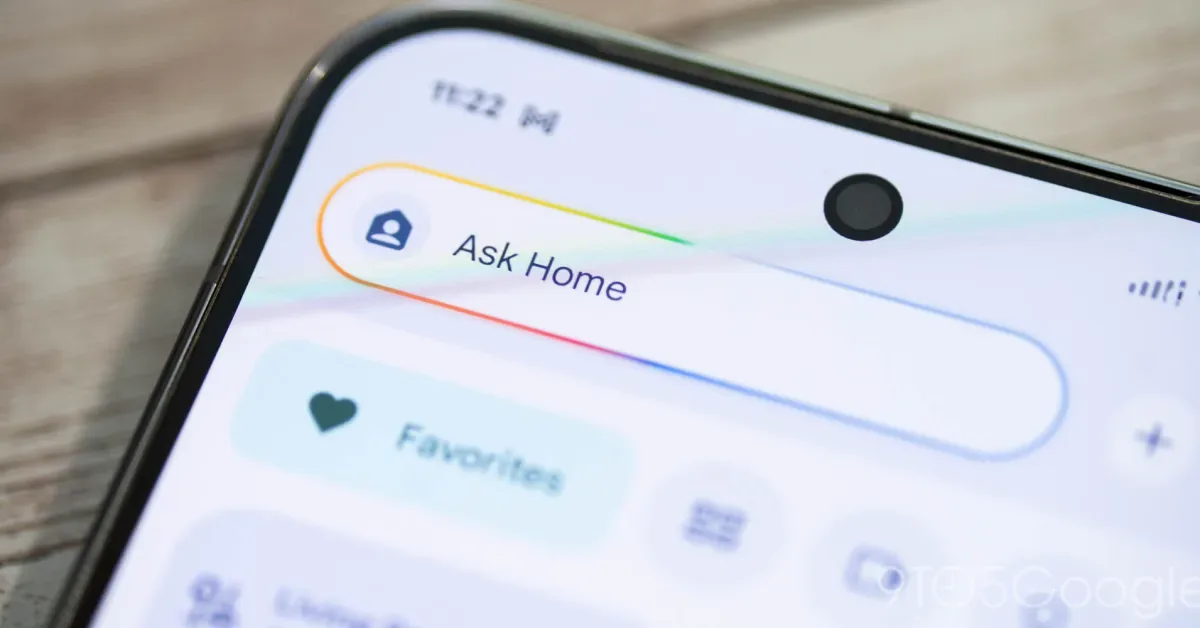
Google is significantly enhancing its smart home ecosystem by integrating artificial intelligence from its Gemini platform to interpret camera feeds, allowing for more sophisticated automations. This new feature enables devices to utilize the advanced scene understanding capabilities of Gemini, derived from Nest and select Gemini Built-in cameras, to trigger actions within the smart home. Previously limited to motion or sound, automations can now be initiated by specific visual events, offering a new layer of intelligent control for users.
The system allows for the creation of automations based on a wide array of visual triggers. For instance, users can set up routines that activate when a specific vehicle enters the driveway, when a known individual exits a car, or even when an object like a raccoon is detected near a trash bin. Delivery events, such as an Amazon package arriving, can also initiate actions. To configure these, users employ natural language prompts within the Google Home app, describing the exact visual event they want to monitor and specifying which cameras should observe for it. Google advises users to describe clearly visible items and use general terms like "person" or "people" for triggers. The integration of 'Familiar Faces' further refines this, allowing for automations based on specific recognized individuals.
Enhanced User Experience and App Improvements
Beyond the camera-driven automation, the Google Home app itself is receiving several quality-of-life improvements in version 4.17. A notable update targets the Android widget, which is now more responsive, ensuring that smart plugs, lights, and switches react immediately to user input. This addresses a common pain point for users seeking instant control over their smart devices.
Further refinements are being made to the 'Familiar Faces' feature, simplifying the interface for managing recognized individuals. This includes clearer suggestions for names and better alignment of text and buttons, aiming to create a smoother, more streamlined user experience. Users can also now provide feedback on video clips, which Google states will help improve their services and troubleshoot issues. In some cases, users can opt to share video clips with Google to aid in product improvement and the training of AI models.
The Gemini for Home voice assistant is also being updated to allow for more complex single commands. Users can now combine a broader selection of actions into one request, such as simultaneously setting a timer for cooking, starting a vacuum cleaner, and playing music. This move towards more complex, multi-faceted commands signifies Google's push for a more capable and intuitive voice assistant.
This latest update represents a significant step forward in making smart homes truly intelligent. By leveraging AI-powered visual understanding, Google Home is moving beyond simple trigger-response systems to create environments that can proactively and reactively adapt to a user's specific needs and circumstances. The ability for cameras to act as sophisticated sensors opens up a vast potential for personalized automations, enhancing both convenience and security for users.