
End-to-End Encrypted RCS Messaging Beta Launches for iPhone and Android
End-to-end encryption for RCS messaging, a modern SMS alternative, is now in beta for both iPhone and Android users. This collaboration aims to enhance user privacy across platforms.

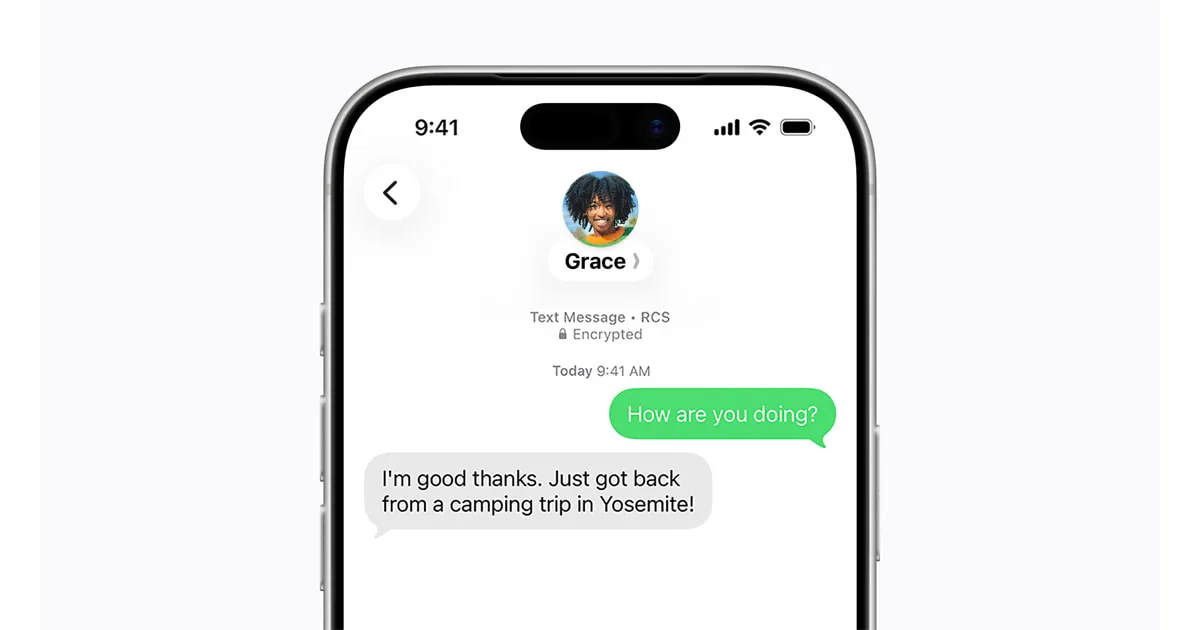
End-to-end encryption for Rich Communication Services (RCS) messaging, a technology designed to supersede traditional SMS, has commenced its beta rollout for users on both iOS and Android platforms. This significant advancement in cross-platform communication security is the result of a collaborative effort spearheaded by tech giants Apple and Google. The feature began becoming available on May 11, 2026, offering a more private messaging experience.
Beginning today, iPhone users running iOS 26.5 with compatible carriers and Android users on the latest Google Messages application can access the encrypted RCS beta. When messages are protected by end-to-end encryption, they are unreadable to third parties, including the service providers themselves, during transit between devices. A new lock icon will appear within RCS chat interfaces to signal that a conversation is secured by this advanced encryption protocol.
The encryption is activated by default, with a phased rollout ensuring that both new and existing RCS conversations will eventually benefit from the security feature. This move aligns with a broader industry trend toward prioritizing user privacy in digital communications. While RCS now offers this enhanced security, Apple continues to emphasize that its native iMessage service, which has always provided end-to-end encryption, remains the most secure method for communication between Apple devices.
Enhancing Cross-Platform Security
The introduction of end-to-end encryption to RCS marks a pivotal moment for digital privacy. Historically, SMS messages have been transmitted in plaintext, vulnerable to interception. RCS, with its richer features and broader compatibility, has been positioned as the successor to SMS. However, its widespread adoption and effectiveness were hampered by security concerns. This new encryption layer directly addresses those vulnerabilities, ensuring that conversations containing sensitive information, personal details, or even casual exchanges are shielded from unauthorized access.
The cross-industry collaboration, involving significant input from Apple and Google, underscores the growing recognition of privacy as a fundamental user right. Companies are increasingly aware that robust security measures are not just a technical requirement but a key differentiator in a competitive market. By working together, these companies have accelerated the deployment of a critical security feature that benefits millions of users worldwide who rely on RCS for their daily communication.
Users can anticipate the lock icon appearing in their chat threads as the beta progresses. This visual cue will provide immediate confirmation of the enhanced security. The automatic activation means that users do not need to take explicit steps to enable encryption for their ongoing chats, simplifying the user experience while maximizing security. The phased rollout strategy is common for such large-scale technical deployments, allowing developers to monitor performance, gather feedback, and address any unforeseen issues before a full public release.
This development is particularly significant in the context of increasing digital surveillance and data breaches. Providing a secure communication channel helps build trust between users and the platforms they employ. The availability of end-to-end encrypted RCS across different operating systems is a major step toward a more secure and private mobile messaging ecosystem for everyone.