
ChatGPT Adds Virtual Try-On for Online Clothing Shopping
OpenAI's ChatGPT can now help users virtually try on clothing items, aiming to simplify online shopping. The feature allows users to upload an image of themselves and see how different outfits would look.

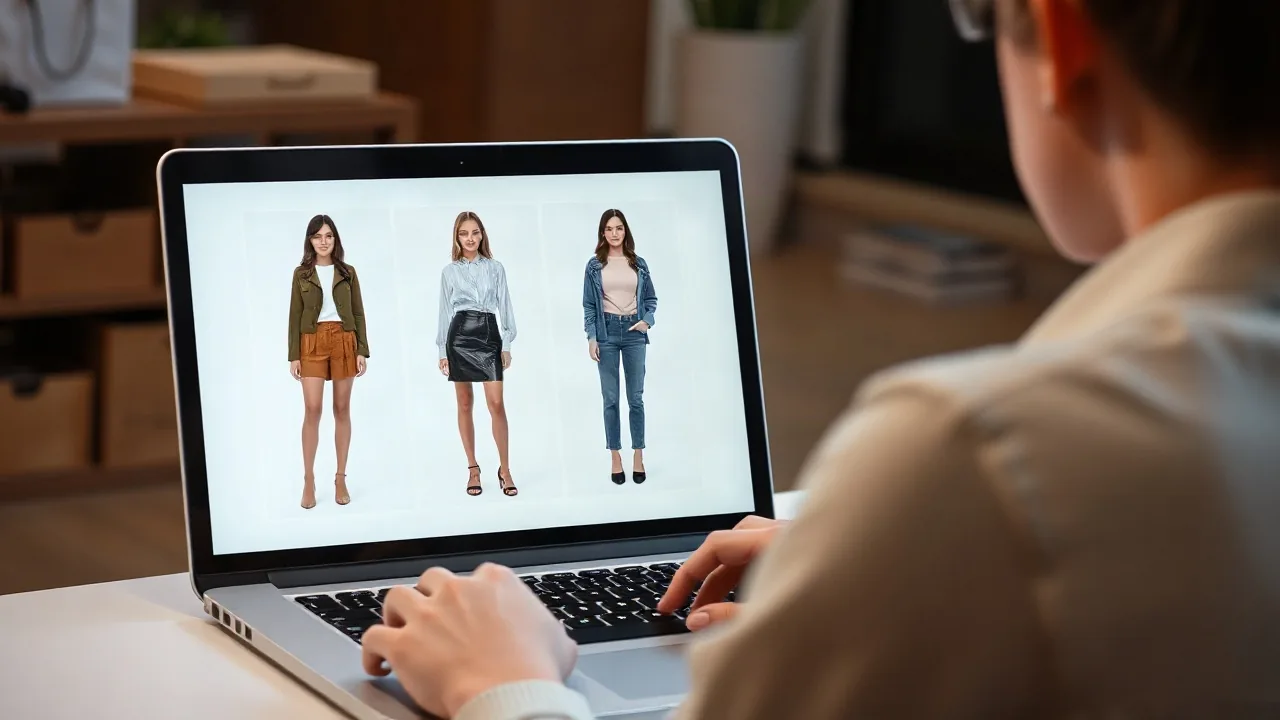
OpenAI has introduced a new feature for its popular AI chatbot, ChatGPT, enabling users to virtually try on clothing items. The capability, announced on October 1, 2026, aims to revolutionize the online shopping experience by allowing consumers to visualize apparel on themselves before making a purchase.
Users can upload a photo of themselves and then select clothing items they are interested in. ChatGPT processes the image and generates a new picture showing the user wearing the chosen garments. This technology addresses a common pain point for online shoppers: the inability to physically try on clothes, which often leads to high return rates and customer dissatisfaction.
The virtual try-on functionality is part of an expanded set of features designed to enhance ChatGPT's utility for everyday tasks. OpenAI is also rolling out a "Favorites" feature, allowing users to save preferred prompts and conversations for easier access. These updates reflect a broader trend in artificial intelligence development, focusing on practical applications that integrate seamlessly into existing consumer behaviors.
Enhancing the Online Retail Landscape
The implications for the e-commerce industry are significant. With an estimated 20% to 30% of online purchases returned in the apparel sector, a tool that can reduce this number holds considerable value. By providing a more accurate visual representation of how clothing fits and looks, the virtual try-on feature could boost consumer confidence and decrease the volume of unsolicited returns. This could translate into substantial cost savings for retailers and a more streamlined shopping experience for customers.
While the initial rollout focuses on individual user uploads, industry analysts predict future integrations with major online retailers. Such partnerships could allow shoppers to access the virtual try-on feature directly on retail websites, pulling from a retailer's specific inventory. This would offer a personalized shopping journey, moving beyond generic AI-generated images to highly specific product visualizations.
The technology behind this feature likely involves advanced image generation and manipulation models, possibly building upon advancements in diffusion models and generative adversarial networks (GANs). Ensuring accurate representation of body shapes, fabric textures, and lighting conditions presents a complex technical challenge, but OpenAI's significant investments in AI research suggest a robust development pipeline.
Beyond apparel, the potential applications of this virtual try-on technology are vast. Experts anticipate similar features could be developed for accessories, eyewear, makeup, and even hairstyles. The ability to visualize products on oneself in a realistic manner could become a standard expectation for online consumers across various retail sectors in the coming years.
As the AI landscape continues to evolve at a rapid pace, tools like ChatGPT's virtual try-on are poised to redefine digital interactions. The convergence of artificial intelligence and consumer commerce offers a glimpse into a future where online shopping is more intuitive, personalized, and efficient than ever before. The company stated that they expect significant adoption in the coming months.