
Apple May Restrict iPhone Apps for Missed Lease Payments
New iOS code suggests Apple could implement a "restricted mode" on iPhones if users fail to make payments on leased devices. This feature could limit access to applications until the balance is settled.

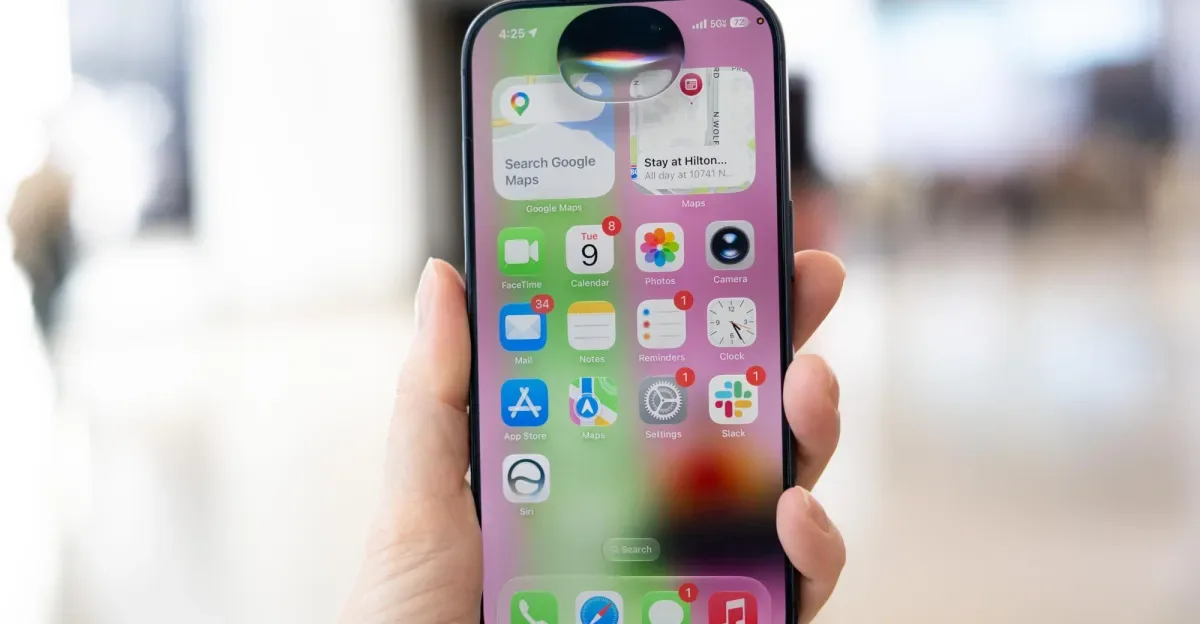
New details emerging from iOS 27 code indicate that Apple may be developing a system to restrict access to applications on iPhones if users miss payments on leased devices. This potential feature, which could be part of a broader device leasing program, aims to ensure timely payments by limiting the device's functionality.
The discovered code suggests a "restricted mode" that would effectively lock users out of many app functions until outstanding payments are resolved. While the specifics remain unclear, this mechanism could significantly impact user experience for those participating in future leasing or installment plans offered by Apple or its partners. The move signals a more aggressive approach to payment enforcement compared to current methods, which typically involve service suspension or collection efforts.
Context of Device Financing and Leasing
This development comes as Apple reportedly explores new financing and leasing options for its hardware. Partnerships with companies like Klarna have been rumored to power these initiatives, aiming to make high-cost Apple devices more accessible through flexible payment structures. The iPhone Upgrade Program, which allowed users to upgrade their devices annually after making a certain number of payments, was a precursor to such programs. However, that program is reportedly winding down.
The introduction of a payment-linked restriction feature on the device itself represents a significant shift. Previously, missed payments primarily affected service access (like cellular or streaming subscriptions) or resulted in collection actions. By embedding restrictions within the operating system, Apple could exert direct control over device usability, potentially mitigating financial risks associated with device financing. This approach mirrors practices seen in other industries where leased equipment can be remotely disabled or restricted due to non-payment.
Industry analysts suggest that such a feature, if implemented, would need careful consideration regarding user privacy and the scope of restrictions. The exact threshold for triggering the restricted mode and the precise limitations imposed remain to be seen. However, the underlying code points to a proactive strategy by Apple to manage the financial lifecycle of its hardware, particularly as it pushes more users towards leasing and installment plans as an alternative to outright purchase.
The potential for Apple to remotely restrict functionality on a device based on payment status raises questions about consumer rights and the evolving relationship between hardware manufacturers, financial services, and end-users. As Apple continues to expand its services ecosystem, which includes the App Store, Apple Music, and iCloud, controlling access to these integrated services could be a powerful leverage point for payment recovery. The company has not officially commented on the leaked code or its potential implications.