
Android 17 Simplifies iPhone Data Transfer with Enhanced Features
Google's Android 17 will significantly ease the transition from iOS to Android, allowing transfer of more data types. Initially exclusive to Pixel and Galaxy devices, the feature promises a smoother migration experience.

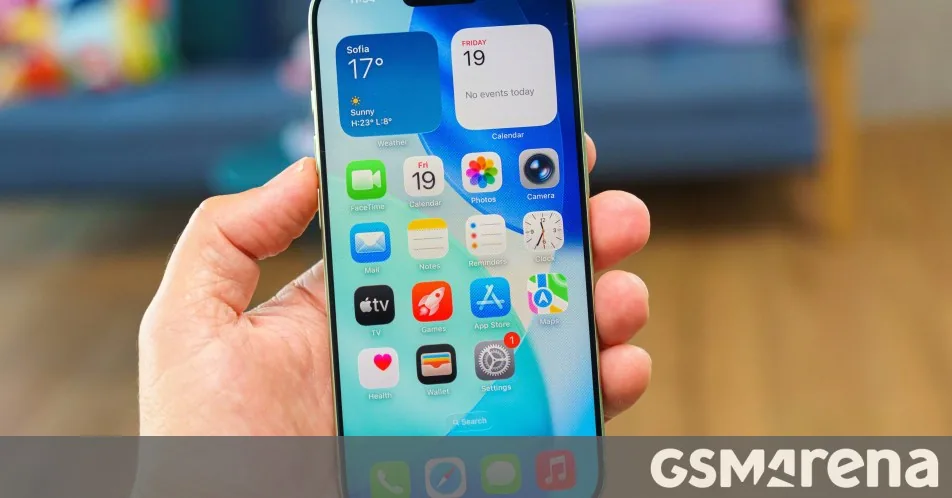
Google announced a major upgrade to the data migration process from iOS to Android during its recent I/O Edition 2026 keynote. The enhanced feature, set to debut with Android 17, will enable users to transfer a far more comprehensive range of data than previously possible, addressing a long-standing pain point for those switching platforms.
The new capabilities extend to a wide array of data types, including accessibility settings, alarms, free applications with associated user data, calendar entries, call logs, email accounts, and eSIM configurations. Users will also be able to migrate files such as images and videos, text messages, personal notes, saved passwords, wallpapers, and even WhatsApp data. A significant addition is the ability to transfer home screen layouts, offering a more personalized setup on the new device.
Historically, switching from an iPhone to an Android device often resulted in the loss of substantial amounts of personal data, making the decision to switch a difficult one for many consumers. This comprehensive data transfer functionality aims to remove that barrier, encouraging greater interoperability and user choice between the two dominant mobile operating systems.
Expanded Data Transfer Capabilities
The improved migration tool supports a broad spectrum of user data. Previously, the process was limited, forcing users to manually back up and reconfigure many settings and applications. Now, with Android 17, users can look forward to transferring personal photos, videos, documents, and even specific app data for compatible free applications. The inclusion of passwords and wallpaper transfers further streamlines the setup of a new Android device to feel more like home.
For businesses and individuals reliant on specific app functionalities, the transfer of app data is particularly crucial. While the initial rollout may focus on free applications, the underlying technology could pave the way for more extensive app data synchronization in future updates. The continuity of essential settings like alarms and accessibility configurations is also a welcome improvement for users with specific needs.
However, there is an initial limitation to the feature's availability. Similar to other recent innovations like Circle to Search, this upgraded switching capability will first be exclusive to Galaxy and Pixel phones. The feature is expected to launch alongside Android 17 and Samsung's One UI 9, likely included with the upcoming Galaxy Z Flip8, Z Fold8, and Z Fold8 Wide models slated for release this July. Following this initial deployment, the functionality is expected to gradually become available on other Android devices.
Samsung has already initiated the One UI 9.0 beta program, suggesting that the enhanced Smart Switch functionality could be accessible to users even sooner than anticipated. This proactive beta testing indicates a strong commitment from manufacturers to facilitate a smoother transition for their user base, potentially influencing competitors to adopt similar comprehensive data transfer solutions.
The move by Google and Apple, through their respective operating system updates and manufacturer collaborations, signals a growing trend towards user-centric features that prioritize ease of use and platform flexibility. As the mobile landscape continues to evolve, such advancements are key to maintaining user satisfaction and encouraging innovation across the entire Android ecosystem.