
Ancient Aboriginal Stories May Recall Lost Coastlines from 10,000 Years Ago
Researchers suggest some Australian Aboriginal oral traditions could be memories of coastlines submerged over 10,000 years ago, potentially making them among humanity's oldest surviving true stories. The claim faces scholarly debate regarding the reliability of ancient oral history.

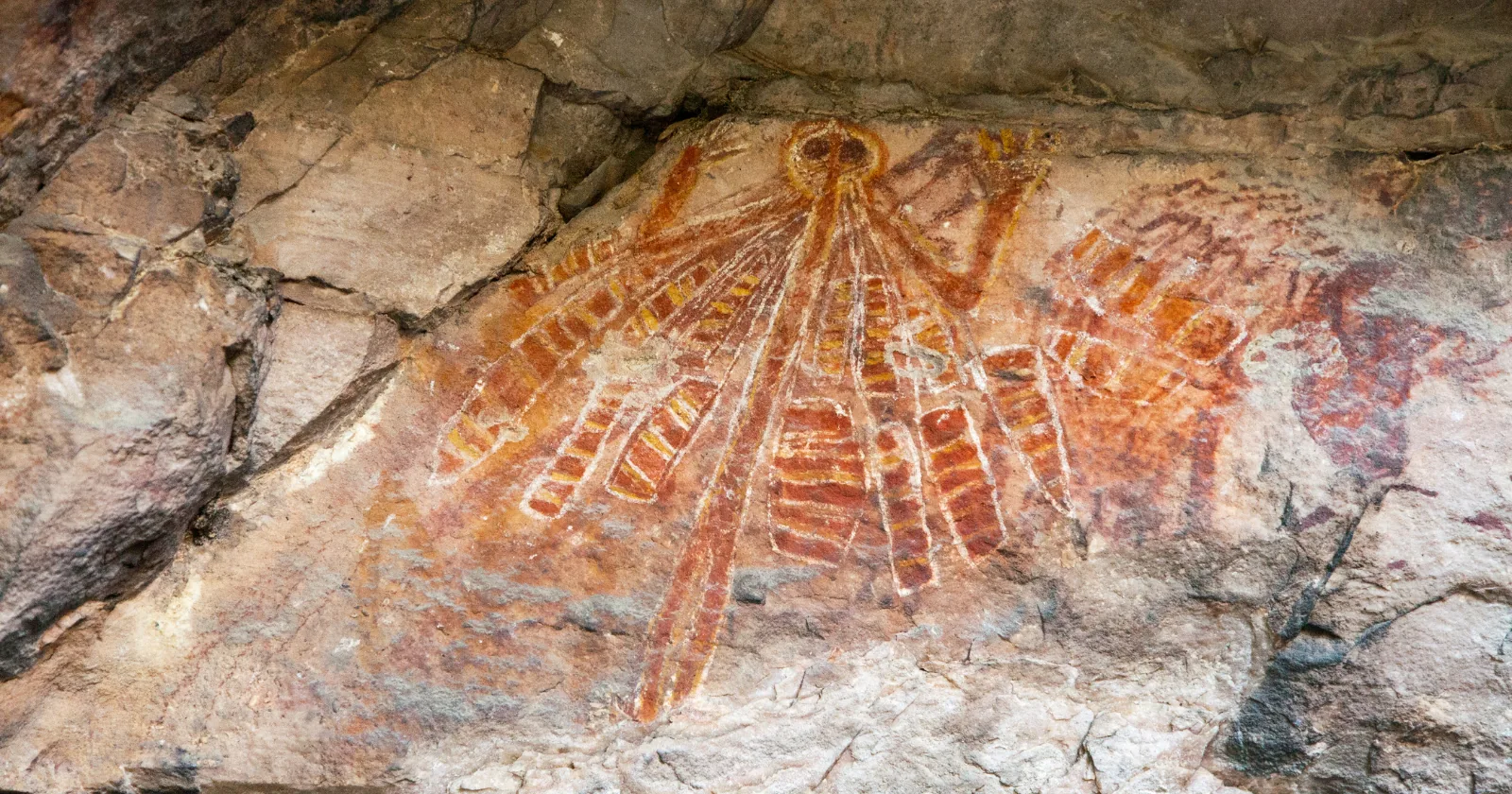
Researchers have proposed that certain ancient Aboriginal stories from Australia may hold literal memories of coastlines that disappeared beneath the sea more than 10,000 years ago. If validated, these narratives could represent some of the oldest reliably dated oral traditions known to humankind. The hypothesis, put forth by geographer Patrick Nunn and linguist Nicholas Reid, is based on analyses of accounts gathered from 21 coastal locations across Australia. These stories frequently describe a time when the sea advanced inland, inundating lands previously inhabited and utilized by Indigenous peoples.
The research, published in the journal Australian Geographer in 2016, details common themes across these diverse stories. For example, Kulin peoples in Victoria recount tales of Port Phillip Bay flooding lands that were once hunting grounds. Similarly, Gunai narratives from Gippsland speak of ancestors living on territory now submerged. Residents near Spencer Gulf report traditions describing the gulf as dry or marshy before its transformation by water. One Ngarrindjeri account even details the formation of Kangaroo Island as rising seas cut it off from the mainland.
Nunn and Reid employed a distinctive dating method. For each story, they determined the minimum water depth required for the narrative's scenario to be geographically accurate. Consulting established data on post-glacial sea-level rise around Australia, they then calculated the most recent period when the land might have matched these descriptions. Their findings suggest these oral histories correspond to inundations occurring between approximately 7,250 and 13,070 years ago. In the Spencer Gulf region, the implied ages range from 9,000 to 12,000 years, depending on the specific location referenced in the stories.
Debating the Longevity of Oral Tradition
A primary point of contention among scholars is the feasibility of any oral story surviving intact for such an immense duration, spanning potentially 300 to 400 generations. Nicholas Reid argues that certain Aboriginal knowledge systems were specifically structured to combat the natural erosion and alteration inherent in most oral traditions. He suggests that stories connected to specific 'country' (land) carried kin-based obligations for accurate transmission, with retelling across relatives acting as a form of error correction. This scaffolding, Reid posits, could maintain narrative stability over extended periods. The long history of human occupation in Australia, tens of thousands of years, and periods of significant cultural continuity lend some plausibility to this idea.
Other potential examples of deep-time memory in oral traditions exist globally, though none are without dispute. These include a Klamath account from Oregon that may describe the eruption forming Crater Lake around 7,700 years ago, traditions of volcanic activity in northern Queensland, and stories potentially recalling meteorite impacts. While these examples do not constitute definitive proof, they collectively challenge the outright dismissal of the possibility of ancient oral records.
The prevailing view among folklorists and historians holds that oral traditions rarely remain accurate beyond approximately a thousand years. Factors such as embellishment for audience engagement, alteration due to external cultural contact, and the vagaries of memory and political influence are cited as reasons for narrative drift. From this perspective, a literally accurate 10,000-year-old narrative is considered highly improbable.
A more pointed criticism comes from the field of epistemology and historical verification. Scholars like historian David Henige and archaeologist Peter Hiscock have argued that claims of stories being over 7,000 years old are neither verifiable nor falsifiable. The dating methodology, they contend, presupposes the story is an accurate observation of geological events from the outset. There is no independent mechanism to confirm that a story has been passed down continuously from the event itself, rather than being a more recent interpretation attached to a striking landscape or a common narrative motif.
Nunn and Reid's most compelling counterargument is the recurrence of the core narrative element—the sea encroaching upon the land—across numerous sites dispersed throughout the continent. They argue that independent invention of such a specific theme in so many distinct locations is less probable than a shared origin rooted in actual observation of a real geological process. While this argument is considered reasonable, it is not presented as definitive proof.
It is also crucial to acknowledge that many of these stories entered the written record only in the 19th century, transcribed by colonial observers. These accounts often originated from communities facing immense disruption, dispossession, and disease. The versions available for scholarly analysis today are thus mediated, potentially incomplete, and shaped by the historical context of their recording. For Indigenous Australians, these stories are not merely historical puzzles but living connections to country, embodying a relationship with the land distinct from that implied by archaeological dating exercises.
The debate over the age and accuracy of these oral traditions is unlikely to be definitively settled in the manner of physical evidence. However, the research advances the argument that oral tradition can, in some circumstances, function as a genuine historical archive. This case is strengthened by ongoing scrutiny of similar potential correspondences globally, including tsunami traditions being examined alongside Māori accounts in New Zealand. While critics remain hesitant to leap from a strong correlation to proven ancient memory, the congruence between these Aboriginal stories and the documented geological history of submerged coastlines remains a compelling and difficult-to-explain phenomenon.