
Steam Deck Price Jump Signals End of Handheld Gaming's Golden Age
Valve's Steam Deck is experiencing a significant price increase, leading many to believe the current boom in high-end handheld gaming consoles may already be concluding.

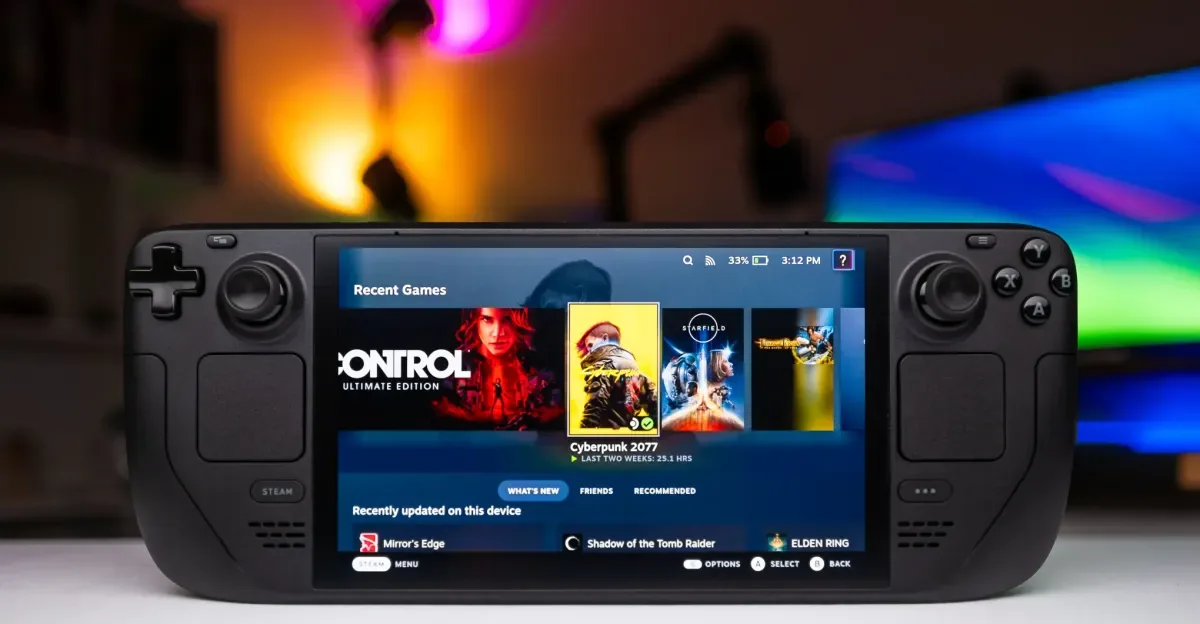
The era of affordable, high-performance handheld gaming appears to be drawing to a close with a notable price adjustment for a prominent device. Valve, the company behind the popular Steam Deck, has implemented a substantial price hike on its gaming handheld, a move that industry observers suggest signals the end of what many have dubbed a "golden age" for portable PC gaming.
The Steam Deck, which launched in February 2022, offered PC gamers the unprecedented ability to play a significant portion of their Steam library on the go. Its innovative approach combined the power of a PC with the portability of a console, striking a chord with consumers and revitalizing interest in dedicated gaming handhelds. However, recent price increases are casting a shadow over the future accessibility of such devices.
Shifting Market Dynamics
While Valve has not officially commented on the specific reasons for the price increase, the market for gaming handhelds has become increasingly competitive and complex. Devices like the AYANEO series, Lenovo's Legion Go, and the Asus ROG Ally have emerged, offering more powerful, albeit often more expensive, alternatives. This increased competition, coupled with supply chain challenges and evolving consumer expectations, may have pressured Valve's pricing strategy.
The initial success of the Steam Deck was largely attributed to its aggressive pricing strategy, making premium handheld PC gaming accessible to a wider audience. The device launched with a base model starting at $399, a price point that was considered revolutionary for its capabilities. This affordability, combined with Valve's extensive software ecosystem, created a fervent demand.
Many analysts believe this price shift is not an isolated incident but rather an indicator of broader trends. The cost of producing sophisticated portable computing devices remains high, and manufacturers are continually balancing performance, features, and market price. If the Steam Deck, a device that spearheaded this recent wave of interest, becomes less accessible, it could have a ripple effect across the entire sector, potentially slowing down adoption and innovation in the short to medium term.
The current landscape of handheld gaming is a far cry from the simpler offerings of past decades. Today's devices are essentially powerful mini-PCs, capable of running demanding AAA titles. This technological leap, however, comes with a significant cost. As Valve adjusts its pricing, other manufacturers may follow suit, potentially pushing the premium handheld gaming market out of reach for many consumers who were drawn in by the initial promise of affordability.
The question now facing gamers and the industry alike is whether this price increase is a temporary adjustment or a permanent shift that will redefine the future of portable PC gaming. The "golden age" might have been brief, but its impact on how and where people play their favorite PC games has already been profound, setting a new standard for what is possible in the palm of one's hand.