
Nvidia Shield TV Pro Price Jumps $100 Amid AI Component Shortage
The Nvidia Shield TV Pro, a popular Android TV box, has seen its price increase by $100. Nvidia attributes the hike to rising DRAM costs and a surge in demand for AI-focused components.

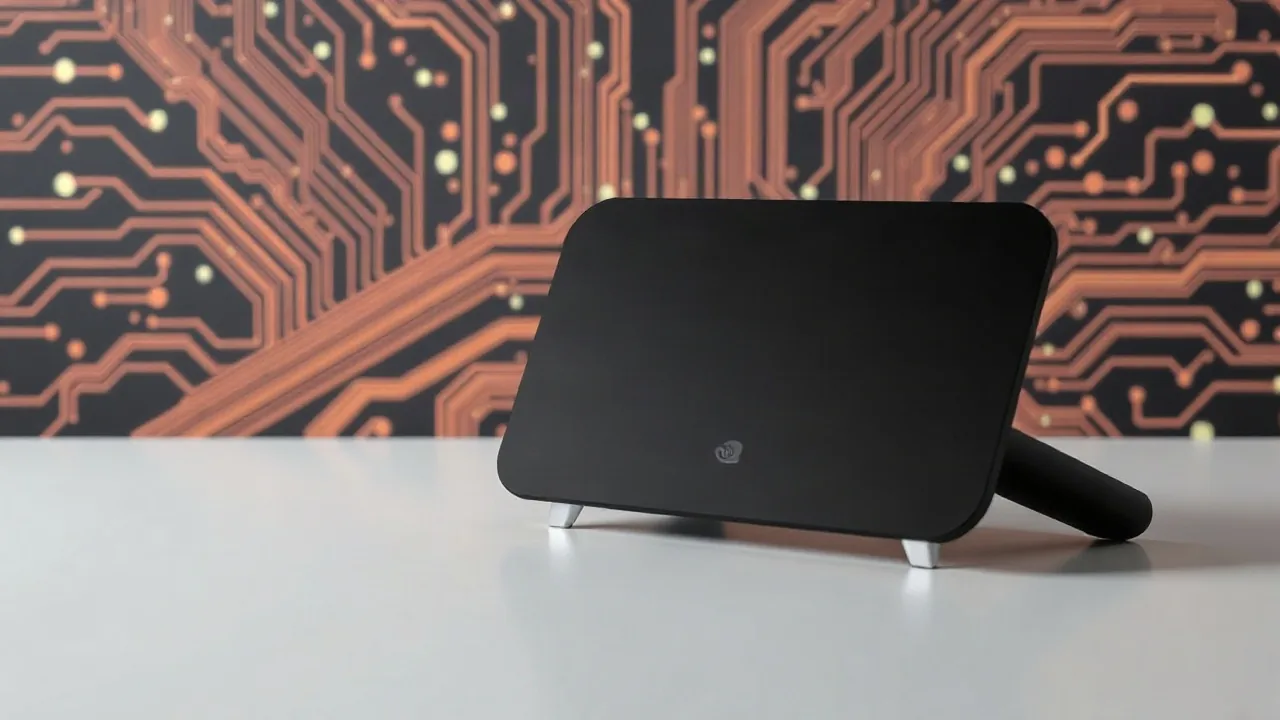
The venerable Nvidia Shield TV Pro, a cornerstone for Android TV enthusiasts for seven years, has experienced a significant price increase, now retailing for $299 after a $100 jump. This revision marks a substantial 50% rise for the device, which originally launched in 2019. Nvidia has cited a confluence of factors, including escalating DRAM costs and the heightened demand for components essential to artificial intelligence applications, as the primary drivers behind the price adjustment.
The sudden price hike, effective in October 2026, has caught many consumers by surprise, particularly given the Shield TV Pro's established market presence. While the company has not explicitly detailed the exact nature of the AI component crisis affecting production, the implication is that the advanced processing capabilities of the Shield, increasingly leveraged for AI-driven features like upscaling and voice command processing, are competing for resources with other, potentially higher-priority, AI hardware demands.
Component Shortages Impacting AI Hardware
This situation underscores a broader trend within the tech industry where the insatiable appetite for artificial intelligence is placing unprecedented strain on the global supply chain. From advanced GPUs to specialized memory modules, the raw materials and manufacturing capacity needed for cutting-edge AI hardware are in short supply. For a device like the Nvidia Shield TV Pro, which has long been praised for its robust performance and future-proofing, these external market forces are now directly impacting consumer cost.
Industry analysts suggest that the scarcity of specific DRAM types and other semiconductor components is a direct consequence of increased manufacturing lead times and a surge in orders from major tech players developing large-scale AI infrastructure. Nvidia, as a leading provider of AI-enabling hardware, is likely navigating these challenges internally, leading to the difficult decision to pass some of these increased costs onto consumers for its established product lines.
The decision to raise the price of the Shield TV Pro, rather than discontinue it or introduce a less capable model, suggests Nvidia still sees significant market demand for its premium streaming device. The platform's enduring popularity stems from its powerful Tegra X1+ processor, support for high-quality video and audio formats, and its ability to function as a capable Plex media server or GeForce Now cloud gaming client. These advanced capabilities, many of which are enhanced by AI, continue to make it a desirable piece of hardware for cord-cutters and media aficionados alike.
While the $100 increase may deter some potential buyers, the company is betting that the core value proposition of the Shield TV Pro—its unparalleled performance and feature set in the Android TV box market—will remain compelling. For existing users or those who prioritize the best possible streaming and smart home hub experience, the price jump might be an acceptable trade-off for continued access to a highly-regarded device. However, it raises questions about the future pricing strategy for advanced consumer electronics in an era increasingly dominated by AI-driven innovation and its associated supply chain pressures.