
Meta Unlocks Muse AI Gadget Code for Developers
Meta has released the source code for its Muse AI system, empowering developers to create custom AI-powered gadgets. This move aims to foster a new wave of intelligent devices.

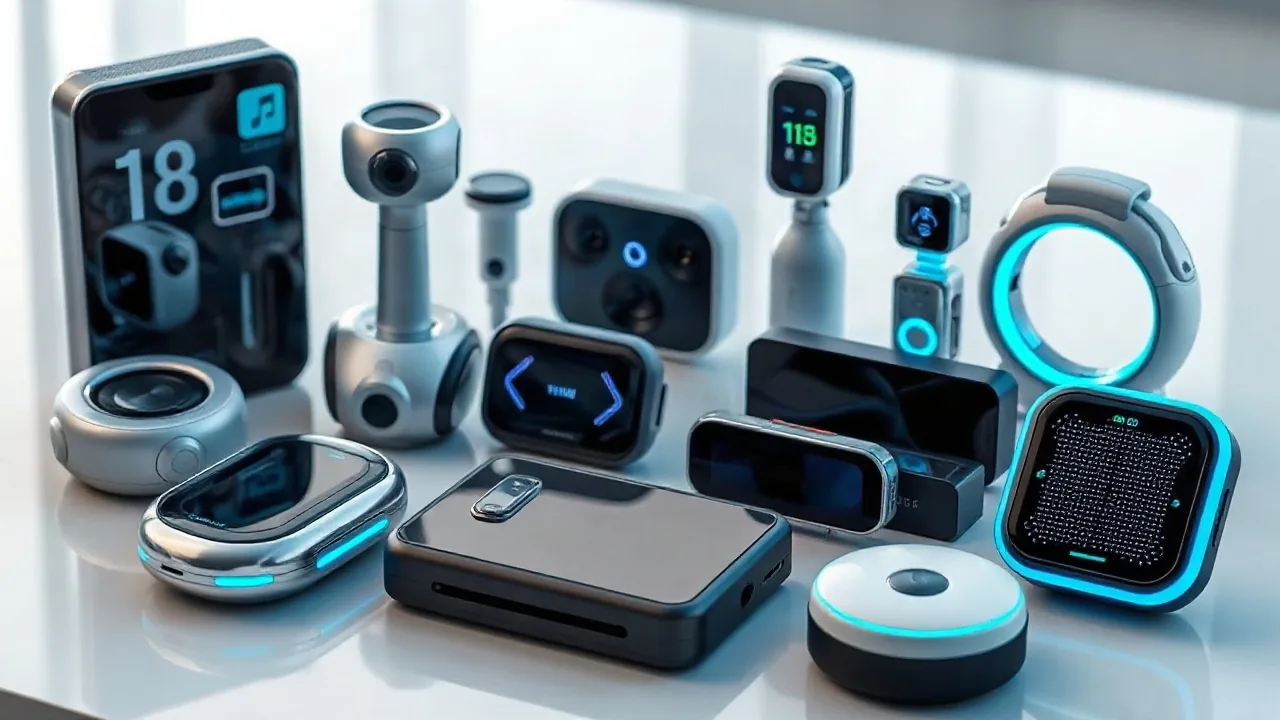
Meta Platforms Inc. has officially open-sourced the code for its innovative Muse AI system, a significant step aimed at enabling developers worldwide to build their own AI-powered gadgets. The company announced the release on October 3, 2026, inviting creators to explore the possibilities of the Muse architecture. This initiative is expected to accelerate the development of a new generation of intelligent devices for homes and personal use.
The Muse AI system is designed to be a versatile foundation for creating various AI-driven functionalities. By making the core code publicly available, Meta hopes to democratize the creation of smart devices, moving beyond proprietary ecosystems. Developers can now leverage Muse to integrate advanced AI capabilities into everything from smart home appliances to wearable technology. The move positions Meta as a key enabler in the burgeoning field of personalized AI hardware.
Fostering Innovation in AI Hardware
The potential applications for Muse AI are broad, ranging from personalized assistants that learn user habits to interactive toys and educational tools. Meta's commitment to open research and development is evident in this release, mirroring past efforts that have contributed to advancements in fields like virtual reality and large language models. The company believes that fostering a collaborative environment will lead to more rapid innovation and a wider adoption of AI technologies.
This open-sourcing effort comes at a time when the demand for sophisticated AI chips and software is rapidly increasing, as noted by industry analysts. Companies like OpenAI are also developing new AI models that push the boundaries of what's possible, further driving the need for accessible development platforms. Meta's Muse AI provides a tangible pathway for smaller developers and hobbyists to participate in this technological revolution without the need for massive upfront investment in proprietary AI research.
Early speculation suggests that this could lead to a surge in unique, AI-infused gadgets available for the 2026 holiday season. Imagine devices that can intuitively adapt to your needs, anticipate your requests, and interact in more natural, human-like ways. The accessibility of the Muse code could spur a wave of creativity, leading to products that are not only functional but also deeply personalized. This move aligns with Meta's broader vision of building the metaverse, where intelligent, interconnected devices will play a crucial role.
Meta has stated that the open-sourced code includes extensive documentation and examples to guide developers through the process of creating their own AI gadgets. The company plans to host community forums and provide ongoing support to foster a vibrant ecosystem around Muse AI. This collaborative approach is critical for the success of open-source projects, ensuring that the technology evolves based on the collective input and ingenuity of its users.