
Meta Muse AI Device Brings Intelligent Companionship to Life
Meta launches its Muse AI device, a new smart companion designed to combine artificial intelligence with an approachable, charming interface. The gadget marks the company's latest push into personal AI hardware for everyday users.

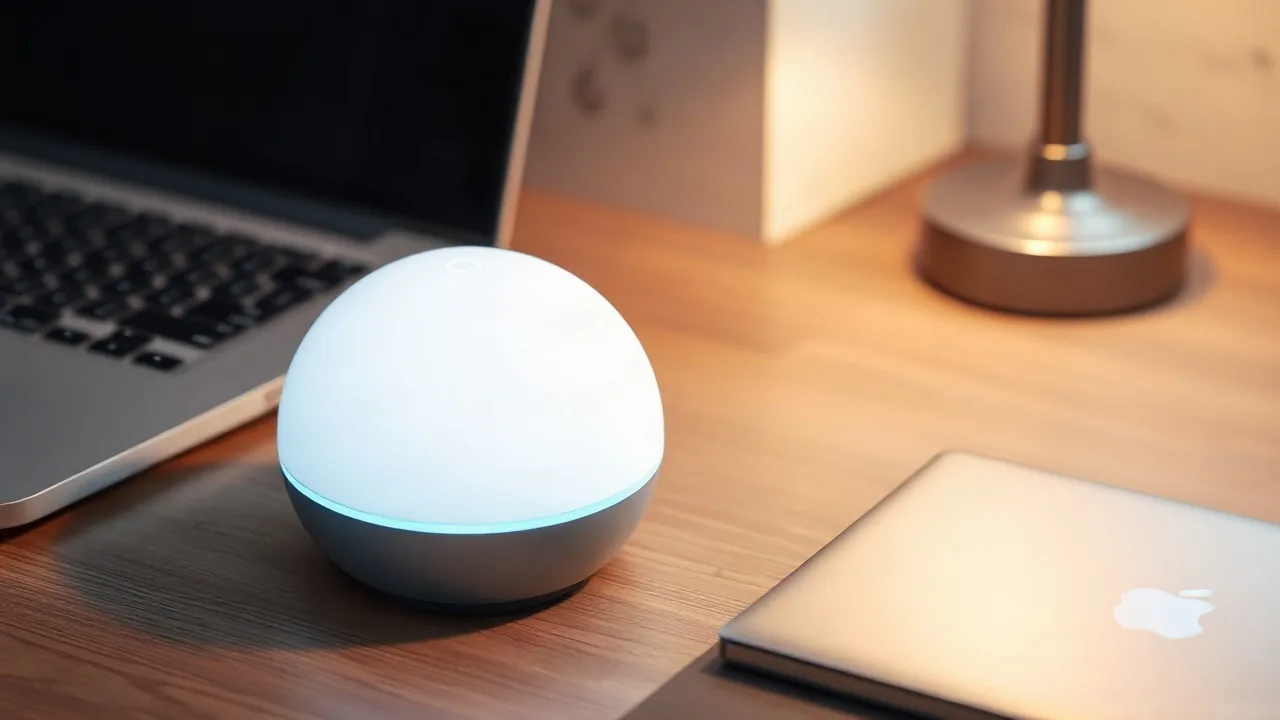
Meta unveiled the Muse AI device this September as part of its expanding vision for consumer artificial intelligence hardware. The Muse represents a departure from Meta's traditional focus on social platforms and virtual reality, instead positioning itself as a conversational digital companion that sits somewhere between a smart speaker and a personal assistant.
The device draws its name from the artistic muse concept, emphasizing creativity and inspiration rather than mere utility. Meta's engineering team crafted the Muse with a distinctive design that prioritizes approachability, featuring rounded edges, soft lighting, and an interface that prioritizes natural conversation over screen-based interaction.
"We built Muse to meet people where they are, whether that's seeking creative input, everyday assistance, or simply companionship," said Andrew Bosworth, Meta's Chief Technology Officer, in a briefing with hardware journalists on September 24, 2026. "This is not just another smart device. It's designed to understand context and respond with personality."
Core Features and Technical Specifications
The Muse operates on Meta's proprietary Llama 3.2 language model, running on-device processing to ensure faster response times and greater privacy compared to cloud-dependent systems. The device supports both voice and text input, with a 3.5-inch touchscreen display that can show relevant information or visual cues during conversation.
Key capabilities include:
- Real-time information retrieval without requiring internet searches for every query
- Personalized learning that adapts responses based on user preferences over time
- Integration with Meta's ecosystem, including WhatsApp, Instagram, and Messenger
- Voice quality optimized for clarity in noisy environments
- Eight-hour battery life in portable mode
The device measures 5.2 inches tall and 2.8 inches wide, fitting comfortably on a desk, nightstand, or shelf. Its starter price of $299 positions it between premium smart speakers and dedicated AI devices currently on the market. A pro version with enhanced processing power and extended features launches at $449.
Market Positioning and Competition
The Muse enters a crowded landscape of artificial intelligence hardware devices, competing directly with offerings from Google, Amazon, and emerging startups focused on consumer AI. Market research firm IDC projects the global smart speaker and AI companion device market will reach 250 million units by 2028, up from 180 million in 2025.
Unlike generic smart speakers that perform specific tasks like playing music or controlling smart home devices, the Muse emphasizes conversational depth and personality. Early testers reported that the device's responses feel less robotic than competitors, with natural follow-up questions and contextual awareness that tracks multi-turn conversations more effectively than existing alternatives.
"Meta's gamble here is that consumers want AI companions that feel less like tools and more like thinking partners," said Melody Morrison, senior analyst at Forrester Research. "The Muse targets people who spend significant time working creatively or making decisions where they value a sounding board rather than just information delivery."
Privacy considerations shaped the Muse's architecture. Unlike cloud-first systems, most processing occurs on the device itself, with user data stored locally by default. Meta's privacy policy for the Muse explicitly prohibits using device conversations for training Meta's advertising algorithms, a distinction the company emphasized during launch announcements.
Why Meta Chose Hardware
Meta's shift toward dedicated gadgets reflects industry-wide recognition that smartphones alone cannot fully deliver AI experiences. While mobile devices remain central to Meta's business, hardware companions allow for different interaction models: always-on processing, ambient awareness, and physical presence in spaces where phones feel intrusive.
The company previously invested in VR headsets through its Quest line and smart glasses with Ray-Ban partnerships. The Muse represents a more accessible entry point for consumers interested in AI without requiring a $299 to $499 headset commitment upfront. Retail availability starts September 28, 2026, through Best Buy, Amazon, and Meta's official store.
Developers can create custom skills and integrations for the Muse through Meta's AI Companion SDK, announced alongside the device. Early partners include productivity platforms like Notion and Asana, as well as creative tools like Adobe Creative Cloud and Canva.
Meta has committed to quarterly software updates for at least three years and guaranteed hardware support through 2031, establishing a longer support timeline than typical consumer electronics. The company also announced a developer fund allocating $50 million to creators building third-party integrations for the platform.
Whether the Muse becomes a mainstream hit or niche curiosity depends on consumer adoption patterns emerging over the next 6 to 12 months. Early indicators from Meta's field testing suggest strong interest among creative professionals, remote workers, and users seeking AI-enhanced productivity, though mainstream adoption will require proving the device solves genuine daily-use problems rather than serving as a novelty.