
iPhone 18 Pro Max Battery Software Trick Eases Shipping Restrictions
Apple has implemented a firmware update to adjust the advertised battery capacity of the iPhone 18 Pro Max, allowing it to comply with international shipping regulations for lithium-ion batteries. This move aims to streamline logistics without impacting actual user experience.

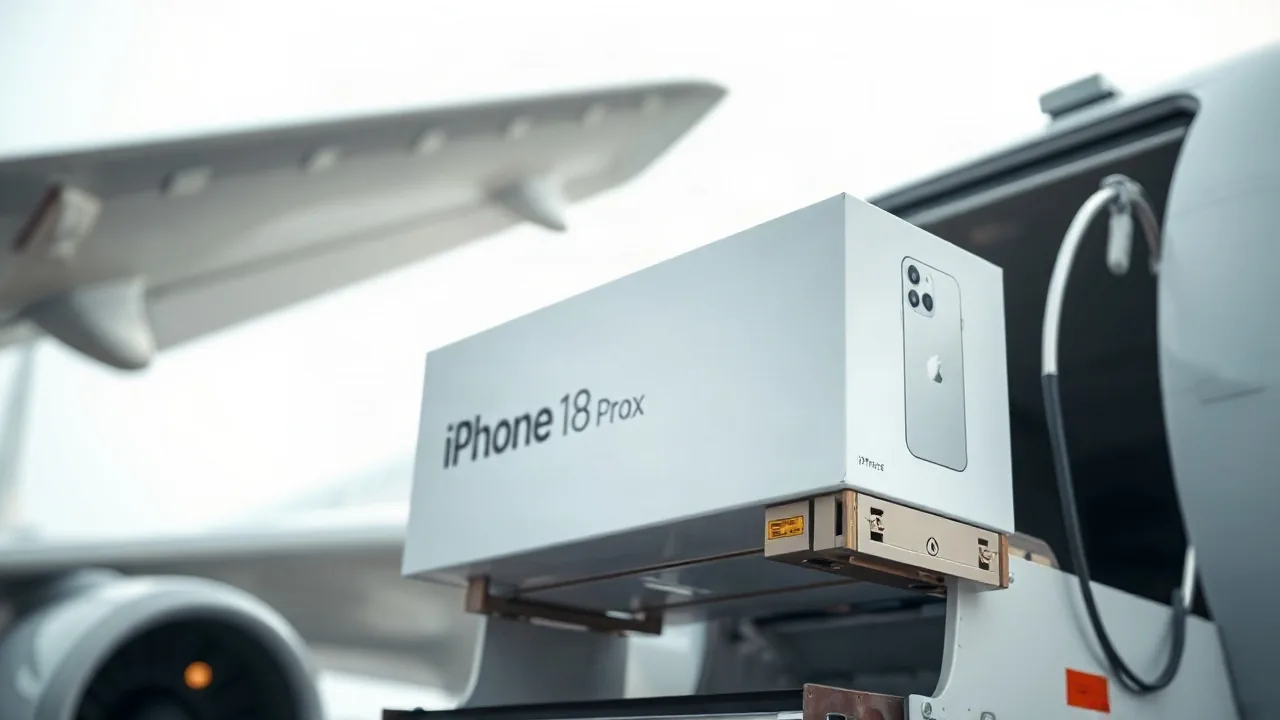
Apple has introduced a novel software workaround to navigate international shipping regulations concerning lithium-ion batteries, specifically impacting the advertised capacity of the new iPhone 18 Pro Max. The tech giant's engineers have developed a firmware adjustment that allows the device to report a slightly lower battery capacity, enabling it to meet strict shipping laws without altering the phone's actual battery performance or user-accessible charge.
The change, detailed in internal documentation and first reported by The Verge, centers on a discrepancy between the physical battery's true capacity and how it's reported for regulatory purposes. International aviation and shipping authorities often impose limits on the energy content of batteries that can be transported. By precisely calibrating the software to report a capacity that falls just under these thresholds, Apple can continue shipping its flagship devices globally without the need for special handling or restrictions.
Regulatory Hurdles and Software Solutions
This clever solution sidesteps the costly and time-consuming process of re-engineering battery packs or seeking specialized shipping permits. The iPhone 18 Pro Max, like other modern smartphones, contains a powerful lithium-ion battery that, at its full physical capacity, might exceed certain shipping weight or energy density limits. Instead of reducing the battery's physical size or capability, Apple opted to use its deep software expertise to achieve compliance.
Industry analysts suggest this approach highlights Apple's strategic use of its integrated hardware and software ecosystem. "It's a testament to Apple's control over both the silicon and the software stack," commented technology analyst Sarah Chen. "They can make micro-adjustments that have significant logistical implications. For the end-user, there's no discernible difference in battery life or charging speed. It’s purely a regulatory compliance measure."
The adjustment is reportedly minor, meaning the phone's actual battery life remains unaffected. Users will continue to experience the same all-day power they've come to expect from the iPhone line. The firmware update ensures that while the device may technically report a lower mAh (milliampere-hour) rating for shipping manifests, the battery management system still allows for the full physical capacity to be utilized during normal operation. This clever software solution ensures logistical efficiency.
The implications for the broader consumer electronics industry are noteworthy. As global trade becomes increasingly complex and regulatory bodies scrutinize product components, companies may increasingly rely on sophisticated firmware to navigate these challenges. This incident could pave the way for similar innovative, software-driven compliance strategies across various electronic devices, potentially reducing shipping costs and delays for manufacturers worldwide. The effective management of lithium-ion batteries has become a critical aspect of the global supply chain for mobile devices.
Apple has not officially commented on the specific firmware update, adhering to its typical practice of not discussing minor technical adjustments or regulatory processes. However, the move underscores the company's commitment to maintaining a seamless global distribution network for its highly anticipated product launches. The iPhone 18 Pro Max, a key device in Apple's annual lineup, benefits from this behind-the-scenes innovation, ensuring it reaches consumers without interruption.