
iPhone 18 Pro Teardown Reveals New Internal Components
iFixit's latest teardown of the iPhone 18 Pro provides an in-depth look at the device's internal hardware, highlighting new chips and design changes. The analysis reveals insights into the phone's repairability and the evolution of its components.

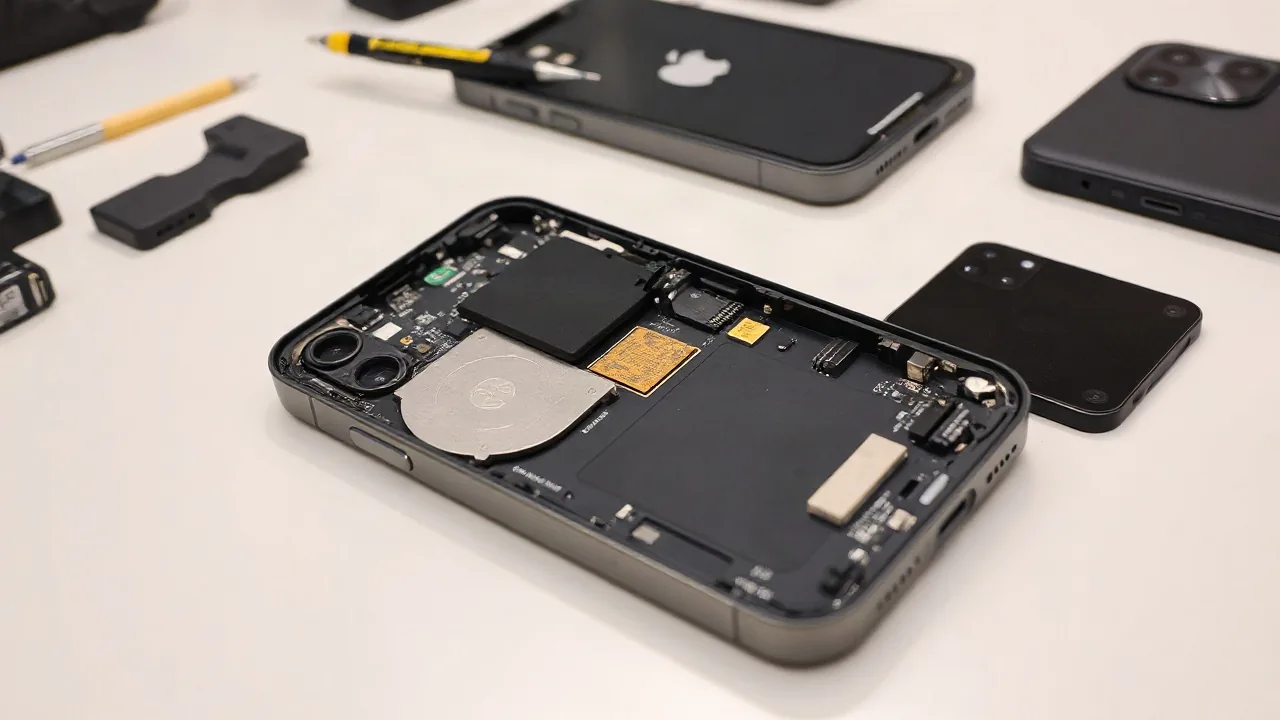
The highly anticipated iPhone 18 Pro has undergone its customary dissection by the experts at iFixit, revealing the intricate internal architecture of Apple's latest flagship. The teardown, published on September 20, 2026, offers a granular view of the device's new components, including insights into the A20 Pro chip, the X80, and the Apple N1 technology. This detailed examination by iFixit aims to shed light on both the technological advancements and the potential repairability of the new handset.
iFixit's findings suggest that while the iPhone 18 Pro packs significant processing power and new integrated technologies, its design continues to present challenges for independent repair. The report notes that certain key components, such as the modem, are designed with an emphasis on integration, which can complicate straightforward replacements. This year's Pro Max model, specifically for the U.S. market, has been confirmed to be utilizing a different modem than its international counterparts, notably lacking Apple's C2 modem, a detail that underscores Apple's tiered component strategy.
Internal Innovations and Modularity Concerns
The teardown highlights the presence of the new A20 Pro processor, which iFixit suggests is a significant leap in performance and efficiency. Alongside this, the analysis points to the X80 and the proprietary Apple N1, likely components contributing to advanced features like enhanced camera processing, spatial audio, and potentially new machine learning capabilities. The integration of these elements into a more compact design is a testament to Apple's ongoing miniaturization efforts. However, this tight integration raises questions about modularity and the ease with which users or third-party technicians can service individual parts. The report indicates that accessing and replacing components like the battery or display, while possible, may require specialized tools and expertise, potentially impacting repair costs and timelines.
For several years, Apple has been navigating a complex landscape regarding device repairability. Consumer advocacy groups and repair rights organizations have pushed for greater access to parts, tools, and schematics. While Apple has made some concessions, including offering self-repair programs, the internal design of its flagship devices like the iPhone 18 Pro often reflects a balance between cutting-edge technology and a desire to maintain control over the user experience and service ecosystem. The specific modem configuration for U.S. models also points to strategic decisions driven by regional network requirements and component sourcing. iFixit's detailed reports serve as a crucial resource for understanding these trade-offs.
The overall repairability score assigned by iFixit is expected to be a key takeaway from the teardown, providing a quantitative measure of how difficult the device is to repair. Early indications suggest that while the iPhone 18 Pro is a marvel of engineering, its internal layout might make it a challenging device for routine maintenance, a common theme in recent high-end smartphone releases. Tech enthusiasts and consumers alike will be poring over the details to understand the implications for longevity and the long-term cost of ownership beyond the initial purchase price of the Apple device.