
Google's Fitbit Edge Showcases Advanced Health App Features
Google's new Fitbit Edge fitness tracker prioritizes the integration of its comprehensive health app, offering advanced features to users. The device aims to leverage the app's capabilities.

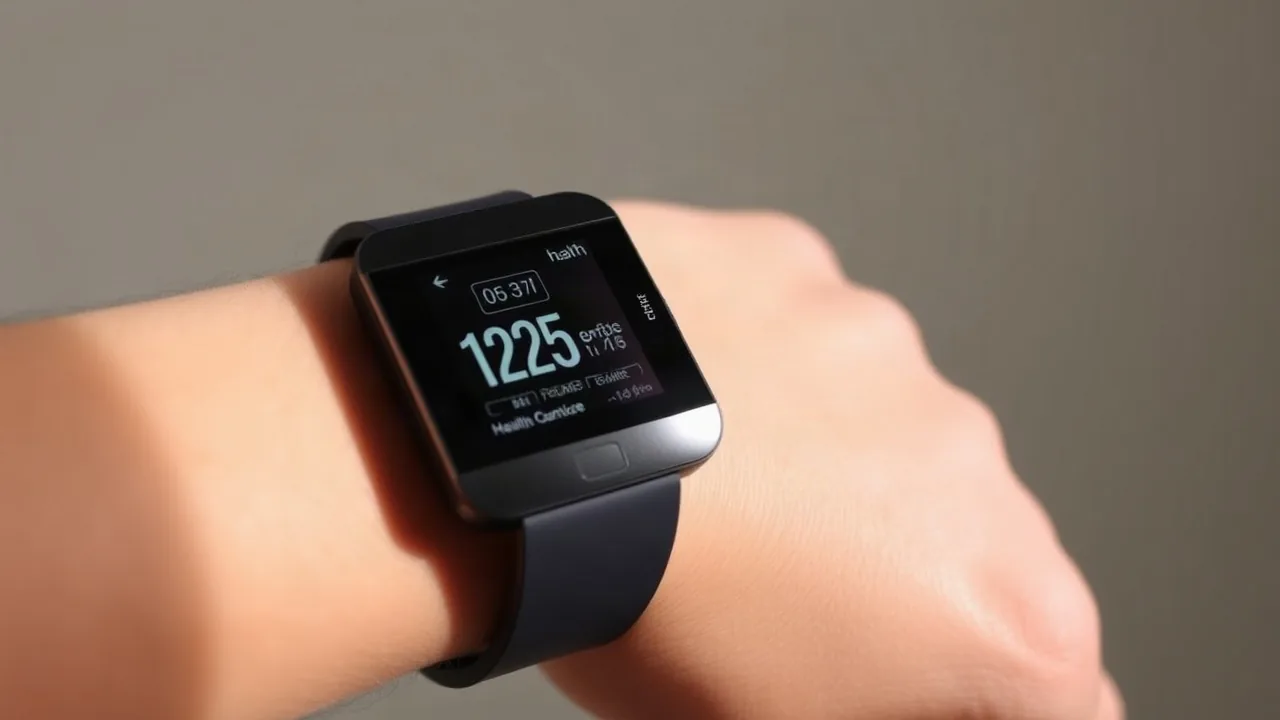
Google has unveiled its latest fitness tracker, the Fitbit Edge, a device designed to serve as a primary conduit for the company's increasingly sophisticated health and wellness application. Launched in late October 2026, the Edge represents a strategic move by Google, which acquired Fitbit in 2021, to deepen the synergy between its hardware and software ecosystems. The new tracker aims to provide users with a more seamless and feature-rich experience, emphasizing the capabilities of the Google Health platform.
Unlike previous models that might have focused on standalone metrics, the Fitbit Edge is explicitly engineered to highlight the strengths of Google's health app. This includes features such as advanced sleep tracking, stress management tools, and personalized health insights. The device's design and functionality appear to prioritize data aggregation and presentation within the app, making the tracker itself a key component in a larger digital health strategy.
Integrated Health Insights Drive Fitbit Edge Functionality
The Fitbit Edge is equipped with a suite of sensors that collect a wide array of biometric data. This data is then processed and analyzed to offer users a comprehensive overview of their well-being. Key features include continuous heart rate monitoring, blood oxygen saturation (SpO2) tracking, and detailed sleep stage analysis. The device also boasts enhanced GPS capabilities for accurate outdoor activity tracking, a feature that has become a staple for serious athletes and casual fitness enthusiasts alike.
"The goal with the Fitbit Edge is to make the health data more accessible and actionable than ever before," said a Google spokesperson during the product announcement. "We want users to not just see their numbers, but to understand what they mean and how they can improve their daily lives." This user-centric approach suggests a shift towards providing more than just raw data, aiming instead to offer meaningful guidance and support.
The integration with the Google Health app is central to the Edge's value proposition. Users can expect to find personalized recommendations based on their tracked data, including suggestions for exercise, rest, and stress reduction techniques. The app also offers guided programs and challenges designed to help users achieve specific health goals, whether it's improving cardiovascular fitness, managing sleep patterns, or reducing daily stress levels. The extensive data collected by the Fitbit Edge is the engine that powers these personalized experiences.
Contextually, this launch occurs at a time when the wearable technology market continues to mature. Consumers are increasingly looking for devices that offer more than just step counting, seeking integrated health solutions that can provide a holistic view of their well-being. Google's investment in Fitbit, and now with the Fitbit Edge, signals its commitment to capturing a significant share of this growing market. By leveraging its existing software prowess, Google aims to differentiate its offerings from competitors who may have strong hardware but less developed software ecosystems. The Google Health platform, bolstered by Fitbit's established user base and expertise, is positioned to become a major player in personalized digital health.
While the Fitbit Edge focuses heavily on app integration, it doesn't skimp on essential fitness tracking features. It supports over 20 different exercise modes, allowing for detailed tracking of various physical activities. The device is also water-resistant, making it suitable for swimming and other water-based activities. Battery life is rated for up to seven days on a single charge, a competitive duration that addresses a common pain point for many wearable users. The Fitbit brand has long been associated with reliable health tracking, and the Edge is intended to carry that legacy forward with enhanced capabilities.
The introduction of the Fitbit Edge underscores Google's broader strategy in the health-tech space. By consolidating its health offerings under a unified platform and using devices like the Edge to drive engagement, the company aims to build a sticky ecosystem that encourages long-term user retention. The success of the Edge will likely be measured not just by its sales figures, but by its ability to foster healthier habits among its users through the power of integrated digital health tools and comprehensive data analysis.