
Google Fitbit Air: Screenless Health Tracking Redefines Wearables
Google's new Fitbit Air ditches the screen for a minimalist approach to fitness monitoring. The device focuses on essential health metrics without the distraction of a display.

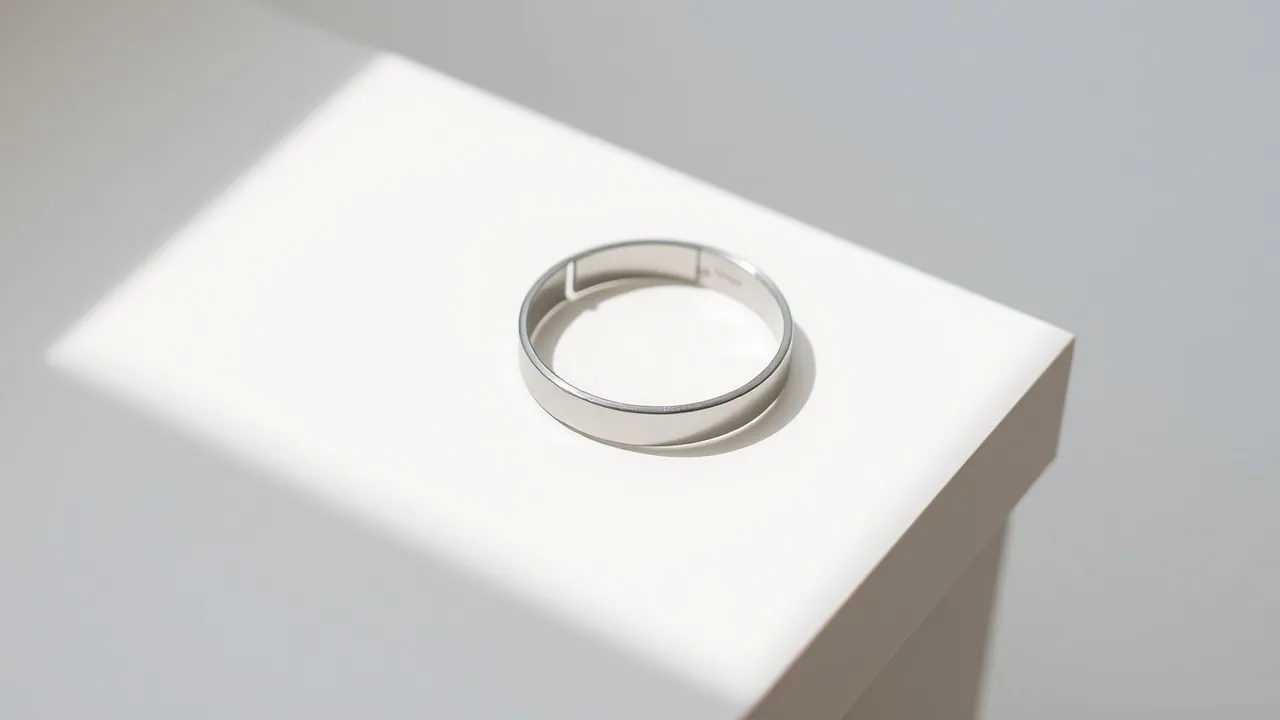
Google unveiled the Fitbit Air this week, a departure from conventional wearable design that eliminates the screen entirely. The device delivers core health tracking features through a stripped-down hardware form factor, betting that consumers will embrace simplicity over real-time display feedback.
The Fitbit Air tracks heart rate, sleep patterns, daily steps, and active minutes without requiring users to glance at a screen. Instead, haptic feedback and companion smartphone app integration provide insights and notifications. This screenless approach marks a significant shift in how wearable tech companies think about user interaction.
Google's decision to strip away the display reflects broader industry trends toward minimalism and battery longevity. Traditional smartwatches drain batteries within two to three days; the Fitbit Air promises up to two weeks of continuous operation without recharging.
Core Features and Technical Specifications
The Fitbit Air includes several foundational fitness tracker capabilities designed for everyday monitoring:
- Continuous heart rate monitoring with real-time variability detection
- Advanced sleep tracking including REM and deep sleep stages
- Built-in GPS for outdoor activities and route mapping
- Water resistance rated to 50 meters for swimming and water sports
- Blood oxygen saturation measurement
- Stress level assessment through heart rate patterns
The device weighs just 28 grams and uses a lightweight aluminum frame with a fluoroelastomer band. Battery capacity reaches 145 mAh, enabling the extended runtime without the power drain of a traditional display.
"We wanted to create something that people would forget they were wearing," said James Park, Google's Vice President of health tracking products, in a company briefing Wednesday. "The screenless design removes friction between the user and their health data."
How Screenless Design Changes the User Experience
Without a display, the Fitbit Air relies entirely on the companion smartphone app for detailed metrics and trend analysis. Users receive vibration alerts for incoming calls, messages, and activity milestones rather than reading information directly on the wrist.
The shift represents a calculated bet that smartphone penetration and cloud synchronization have matured enough to make on-device screens redundant. Google's Google devices ecosystem integration means data flows seamlessly to Google Fit, Calendar, and Health Connect applications.
Early testers report the haptic feedback system as intuitive, with distinct vibration patterns for different alert types. A double tap signals achievement of a daily step goal, while a rapid pulse indicates an incoming call. The minimalist interaction model appeals to users fatigued by constant screen notifications.
Price starts at $179 for the base model, undercutting both Apple Watch and high-end Fitbit competitors. Google positions the Air as an entry point for gadgets buyers seeking serious health tracking without premium pricing or smartphone dependency for core functionality.
The device includes a five-day data cache, meaning health metrics remain accessible offline until the next smartphone sync. This offline-first approach addresses connectivity concerns in rural areas or during travel.
Market Context and Competitive Positioning
The Fitbit Air enters a crowded market where Garmin, Withings, and Oura have already demonstrated demand for minimalist wearables. Garmin's Instinct line and Withings Move have found audiences among users skeptical of smartwatch complexity. Google's entry leverages its massive user base and ecosystem advantage.
Fitbit's parent company, acquired by Google in 2021, has released 12 hardware products since the acquisition. The Air represents the first major design philosophy shift since Google took control of the brand.
Market analysts project wearable hardware shipments will reach 435 million units annually by 2026, with non-display devices capturing 28 percent of that volume. The Fitbit Air's timing aligns with growing consumer interest in sustainable tech and reduced screen time.
Google's strategy includes integration with Android 15's improved health APIs, allowing third-party app developers to access Fitbit Air data. This openness contrasts with Apple's more closed ecosystem and positions Google as the platform-agnostic choice for health tracking.
The device launches in North America on March 15, with European and Asia-Pacific availability following in May. Pre-orders open Monday, March 10.