
Gigabyte Motherboards Ready for Next-Gen Intel Raptor Lake CPUs with DDR4 Support
Gigabyte's latest BIOS updates suggest upcoming Intel Raptor Lake processors will retain support for DDR4 memory on LGA 1700 motherboards, hinting at broader compatibility for Intel's next CPU generation.

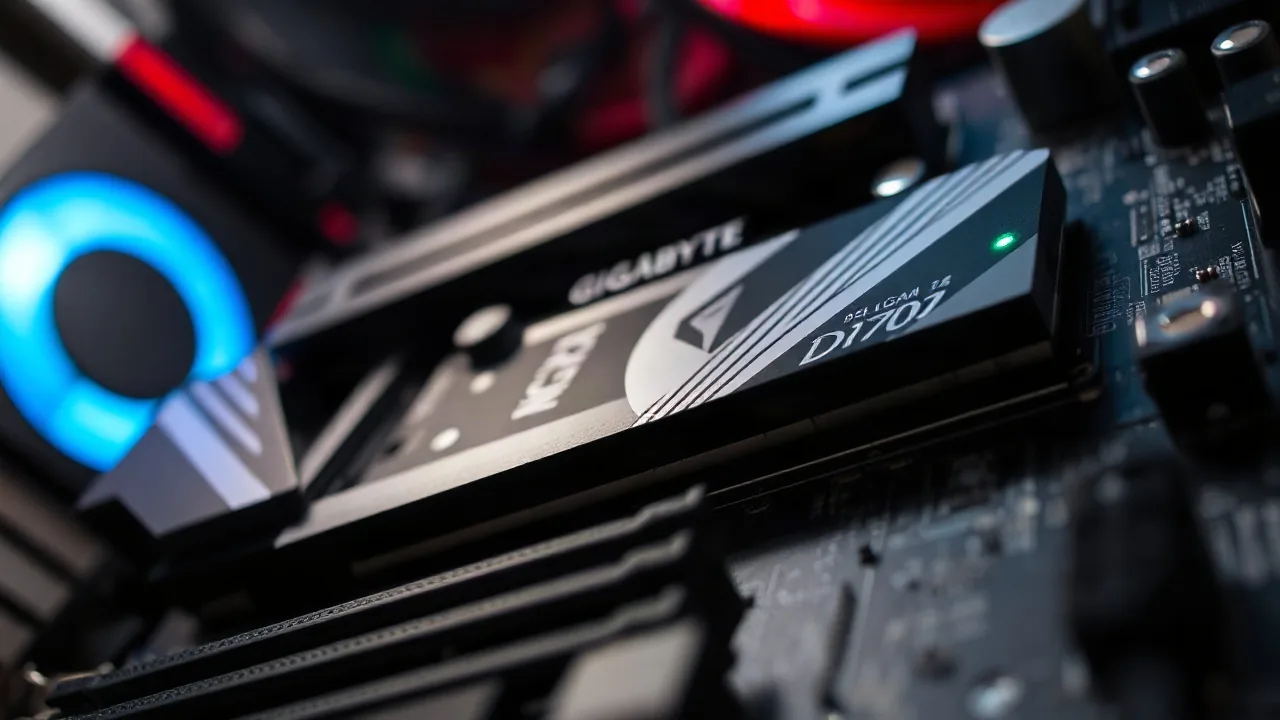
Gigabyte has rolled out BIOS updates for a range of its LGA 1700 motherboards, signaling readiness for Intel's forthcoming Raptor Lake "NEXT" processors. These updates notably suggest that the new CPUs will continue to support DDR4 memory alongside the newer DDR5 standard, potentially offering users a more flexible and cost-effective upgrade path.
The firmware updates, released in late 2026, are available for various Intel 600 and 700 series chipsets. This move by Gigabyte indicates that Intel's next-generation desktop processors, expected to launch in 2027, will maintain compatibility with the widely adopted DDR4 memory technology. This contrasts with a full transition to DDR5, which has been anticipated by some industry observers.
New CPUs May Support Both DDR4 and DDR5
The implication of these BIOS updates is significant for PC builders and enthusiasts. By supporting both memory types, Intel's new CPUs on the LGA 1700 socket could offer consumers a choice between lower-cost DDR4 components or higher-performance DDR5. This dual-support strategy could extend the lifespan of existing DDR4 memory kits and allow users to upgrade their CPU without necessarily replacing their RAM, a key consideration for budget-conscious builds.
While specific details about the upcoming Raptor Lake "NEXT" processors remain scarce, the Gigabyte BIOS updates are a strong indicator of Intel's plans. The company has a history of supporting older technologies for a transitional period to ease market adoption. This approach has been seen with previous socket generations, where Intel often provided backward compatibility to ensure a smoother transition for consumers.
The continued support for DDR4 memory in new processor releases is particularly relevant given the current market landscape. DDR4 components are generally more affordable than their DDR5 counterparts, and performance differences, while present, may not be critical for all users or applications. This backward compatibility could be a strategic move by Intel to capture a larger segment of the market, including mid-range and budget PC builds, where cost is a primary factor.
Industry analysts suggest that this move might also be influenced by the supply chain and manufacturing capacities for DDR5 memory. Maintaining DDR4 support provides a fallback option and ensures product availability as DDR5 production scales up. The official launch of these new Intel processors is anticipated in early 2027, with more concrete specifications expected to be revealed in the months leading up to the release.