
GameStop Accused of Pokémon Card Markups Exceeding 300%
GameStop is reportedly selling Pokémon cards at markups of over 300%, drawing criticism from collectors and sparking concern from Nintendo itself. The practice has become a significant issue in the trading card market.

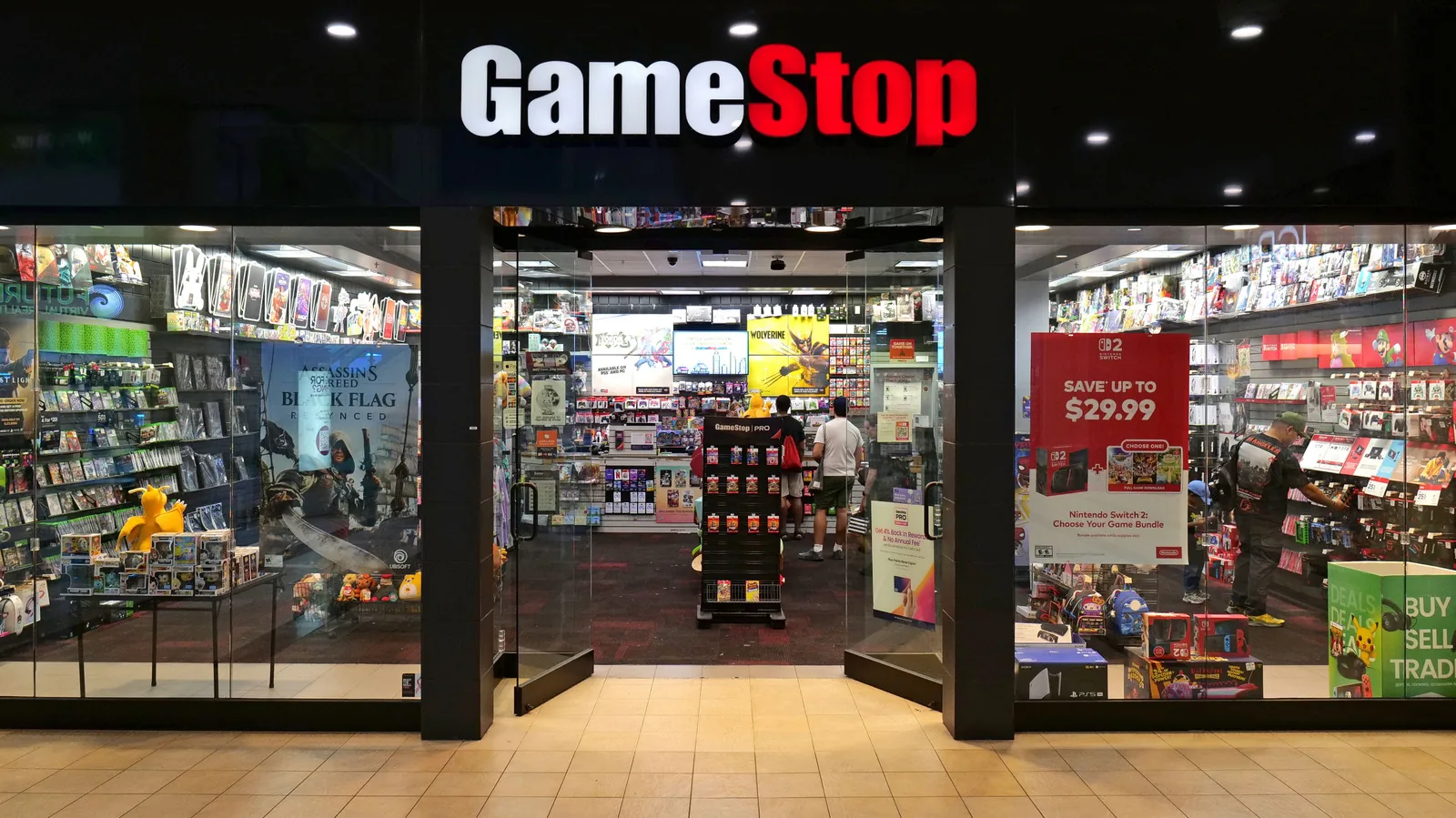
GameStop is facing accusations of dramatically inflating prices for Pokémon cards, with some markups reportedly exceeding 300% of the retail value. This practice has become a significant point of contention for collectors and has even drawn acknowledgment from Nintendo president Shuntaro Furukawa, who stated during a recent shareholder meeting that the current market conditions have led to "high-priced reselling." Both Nintendo and The Pokémon Company have indicated they will implement measures to address the issue.
An investigation into GameStop's online and in-store pricing revealed extreme markups on popular Pokémon trading card game (TCG) products. For instance, an Ascended Heroes Booster Bundle, which retails for approximately $27 at the official Pokémon Center, is listed on GameStop's website for around $90. This represents a markup of over 200%, increasing the per-pack cost from about $4.50 to nearly $15. Less popular sets also see significant price increases, often double the retail price.
Anticipated Releases Face Steepest Markups
The situation appears particularly acute for highly anticipated releases. Pre-orders for the upcoming Pokémon 30th Anniversary Celebration set have seen booster bundles priced at $90. Elite Trainer Boxes (ETBs), a highly sought-after product, are listed for $170, a stark contrast to their typical retail price of $55—a more than threefold increase. The most egregious example involves the 30th Anniversary Ultra-Premium Collection, reportedly priced at $600 at GameStop, compared to a $120 price point for a similar premium collection released last year. If current trends hold, this could amount to a 400% markup.
GameStop has been criticized for not always listing prices for these high-demand items online or in-store, allowing for price adjustments with minimal notice. Reports from platforms like Reddit suggest that initial pre-order prices were lower, with costs escalating before release. In some cases, customers are required to pay a deposit upfront, meaning the initial payment only covers a portion of the final inflated price, as evidenced by pre-order receipts.
The challenges in acquiring Pokémon cards extend beyond GameStop's pricing strategies. New set releases frequently sell out within minutes on official websites, often depleted by bots before genuine consumers can purchase them. Major retailers like Walmart and Target also struggle with automated purchasing systems. In-person retail has seen incidents of physical altercations over cards and the removal of vending machines due to scalper activity.
Nintendo and The Pokémon Company are reportedly exploring solutions, including account verification systems and supporting made-to-order sales to manage demand. The expansion of production facilities, such as The Pokémon Company International's (TPCI) new 1.27 million square-foot facility in North Carolina scheduled for completion in 2027, aims to increase card supply. Furthermore, leveraging agreements with market operators could allow Nintendo and TPCi to control inventory distribution and potentially restrict supply to retailers engaging in excessive price gouging.
While some price adjustments by retailers, especially smaller businesses offering reservation services, are understandable for high-demand items, the extreme markups by GameStop are being viewed as exploitative. The goal for many collectors is to obtain these cards for personal enjoyment and play at a reasonable cost, a prospect made increasingly difficult by such aggressive pricing practices.