
Apple TV 4K 2026 vs 2022: Key Upgrades and Differences
Apple's latest Apple TV 4K model, released in 2026, offers significant upgrades over the 2022 version. This guide details the key differences in performance, connectivity, and features.

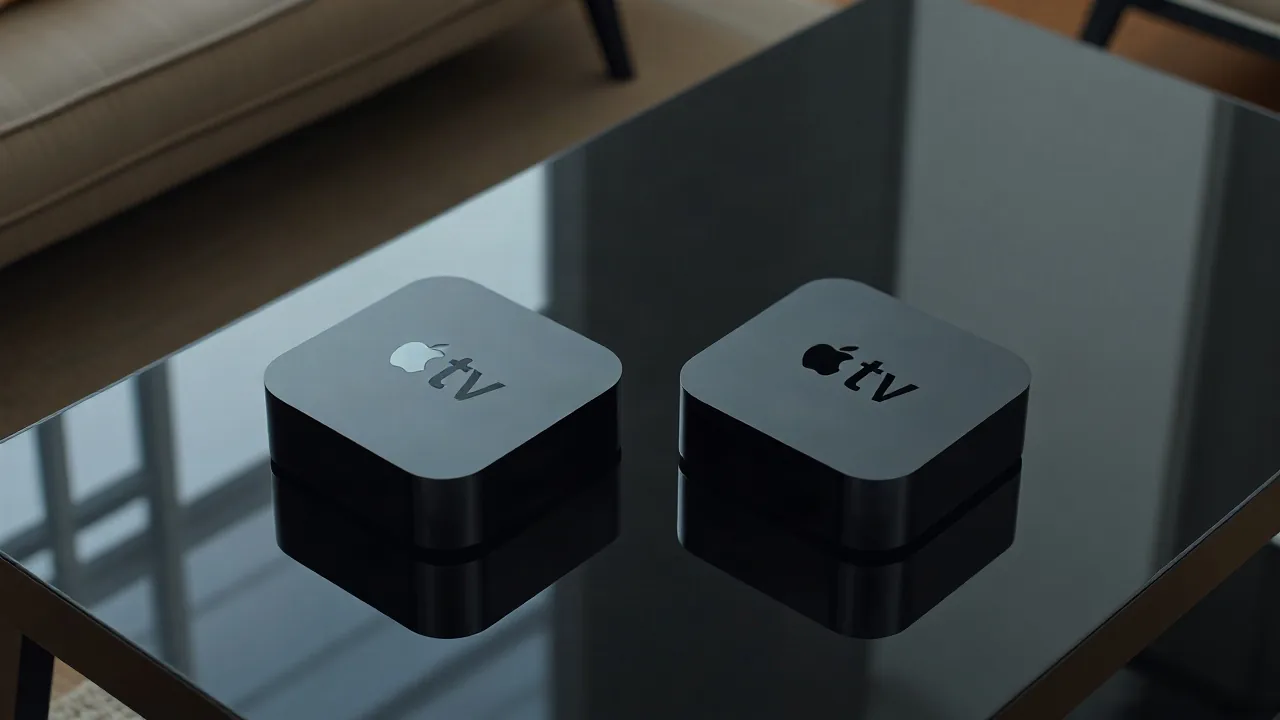
Apple has released its latest iteration of the Apple TV 4K, with the 2026 model rolling out to consumers and offering a notable refresh compared to the 2022 version. The new streaming box aims to enhance the home entertainment experience with improved processing power and updated features, though questions linger about its pricing strategy compared to previous generations.
The primary distinction between the 2022 and 2026 models lies in internal hardware. The newer device boasts a more powerful A-series chip, delivering snappier performance for apps, games, and navigation. This upgrade translates to smoother 4K HDR streaming and faster loading times, crucial for users invested in high-fidelity media consumption. While Apple has not disclosed exact clock speeds or core counts, benchmarks suggest a performance leap of approximately 20-30% over the previous generation.
Connectivity and Smart Home Features
Beyond raw power, the 2026 Apple TV 4K introduces enhanced connectivity options. It supports Wi-Fi 6E for faster and more reliable wireless networking, which is particularly beneficial for high-bandwidth applications like streaming uncompressed video or engaging in cloud gaming. Additionally, the device integrates the Thread networking protocol, positioning it as a more capable hub for smart home devices. This move aligns with Apple's broader strategy to bolster the HomeKit ecosystem, allowing for more seamless control of lights, thermostats, and other connected accessories directly from the Apple TV interface.
The remote also sees subtle but significant improvements. While maintaining its familiar design, the Siri Remote for the 2026 model features a more responsive touch-enabled clickpad and improved haptic feedback, enhancing user interaction. Battery life is also reported to be longer, with USB-C charging remaining standard.
Contextually, the streaming box market continues to be fiercely competitive, with rivals like Amazon's Fire TV Stick and Google's Chromecast offering a wide range of price points and features. Apple's strategy with the Apple TV 4K has historically focused on a premium user experience, tightly integrated with its own services like Apple Music, Apple Arcade, and Apple TV+. The price point of the 2026 model, while not officially confirmed at the time of this report, is anticipated to remain in the upper tier of the market, reflecting the device's premium build and software ecosystem. Early reports indicated a potential price increase, sparking discussion among consumers about value proposition.
For existing owners of the 2022 Apple TV 4K, the upgrade path might be a consideration. The performance gains and enhanced smart home capabilities are the most compelling reasons to switch. However, for users who primarily stream content and do not heavily utilize the smart home features or demanding applications, the 2022 model may still suffice. Apple's commitment to software updates ensures that older models continue to receive new features and security patches for several years, extending their usability.
Ultimately, the 2026 Apple TV 4K represents an incremental but important evolution for Apple's living room hardware. It refines the user experience with better performance and future-proofing for smart home integration, aiming to maintain its appeal among enthusiasts of the Apple ecosystem. The comparison between the 2022 and 2026 models highlights Apple's continuous effort to balance innovation with user demands for performance and connectivity.