
Apple's Smart Home Hub Signals Ambitious New Consumer Strategy
Apple is reportedly gearing up for a major push into the smart home market with a new hub device. This move signifies the tech giant's evolving strategy for the connected consumer.

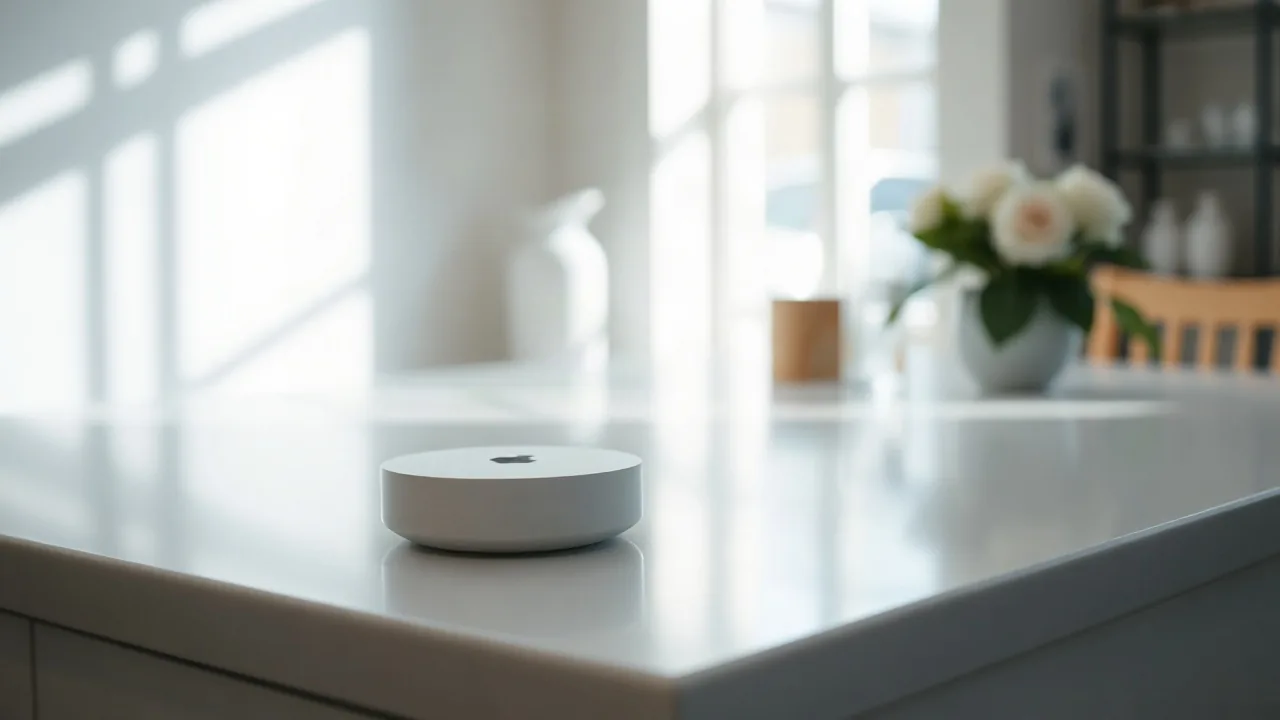
Apple is reportedly preparing a significant expansion into the smart home arena, with a new smart hub device slated to be a central piece of its strategy. This forthcoming product is expected to redefine how consumers interact with their homes and underscore Apple's ambitious vision for its role in the connected living space.
The tech giant, known for its tightly integrated ecosystem, is seen as making a strategic pivot to solidify its presence in a market where it has had a more limited impact compared to competitors. While details remain scarce, the reported development of a new smart hub suggests a move beyond individual smart speakers, aiming for a more comprehensive smart home control center. This initiative aligns with Apple's long-standing emphasis on user experience, privacy, and seamless integration across its product lines.
Expanding the Ecosystem's Reach
The upcoming smart hub is anticipated to serve as the nexus for a range of smart home devices, potentially including new iterations of its existing smart speaker and other connected accessories. This move is crucial for Apple as it seeks to capture a larger share of the rapidly growing smart home market, estimated to be worth billions of dollars. By offering a centralized control point, Apple aims to simplify the smart home experience for its user base, which has grown accustomed to the convenience and reliability of its other devices.
Industry analysts suggest that Apple's entry into this new category is not merely about introducing another gadget but about an ambitious strategy to redefine the tech consumer's relationship with their environment. The company's reputation for design excellence and user-friendly interfaces could prove to be a significant differentiator in a crowded market. Furthermore, Apple's commitment to privacy could resonate strongly with consumers increasingly concerned about data security in their homes.
The success of this new smart home initiative will likely depend on its ability to seamlessly integrate with existing Apple products, such as iPhones, iPads, and Apple Watches, while also offering robust compatibility with a wide array of third-party smart devices. Analysts are closely watching how Apple plans to leverage its powerful software capabilities, including advancements in artificial intelligence and machine learning, to enhance the functionality and intelligence of its smart home offerings.
A key aspect of this strategy could be the introduction of advanced features focused on home automation, energy management, and enhanced security. For instance, the hub might offer sophisticated scheduling capabilities, remote monitoring, and personalized user experiences based on individual household routines. This approach would position Apple not just as a hardware provider but as a comprehensive solution for modern living, further entrenching its ecosystem within the daily lives of its consumers.
The potential launch of this new smart home hub represents a significant step in Apple's ongoing evolution as a technology leader. It signals a clear intent to compete more aggressively in emerging tech categories and to offer a more integrated and intelligent living experience for its vast global customer base. The company's strategic focus on this sector underscores the burgeoning importance of the smart home as a key battleground for major technology firms in the coming years.