
AI Bird Feeders Offer Smart Tech, But Attract Pests Too
AI-powered bird feeders can identify thousands of bird species and send alerts. However, these advanced devices also have a downside: they can attract unwanted pests.

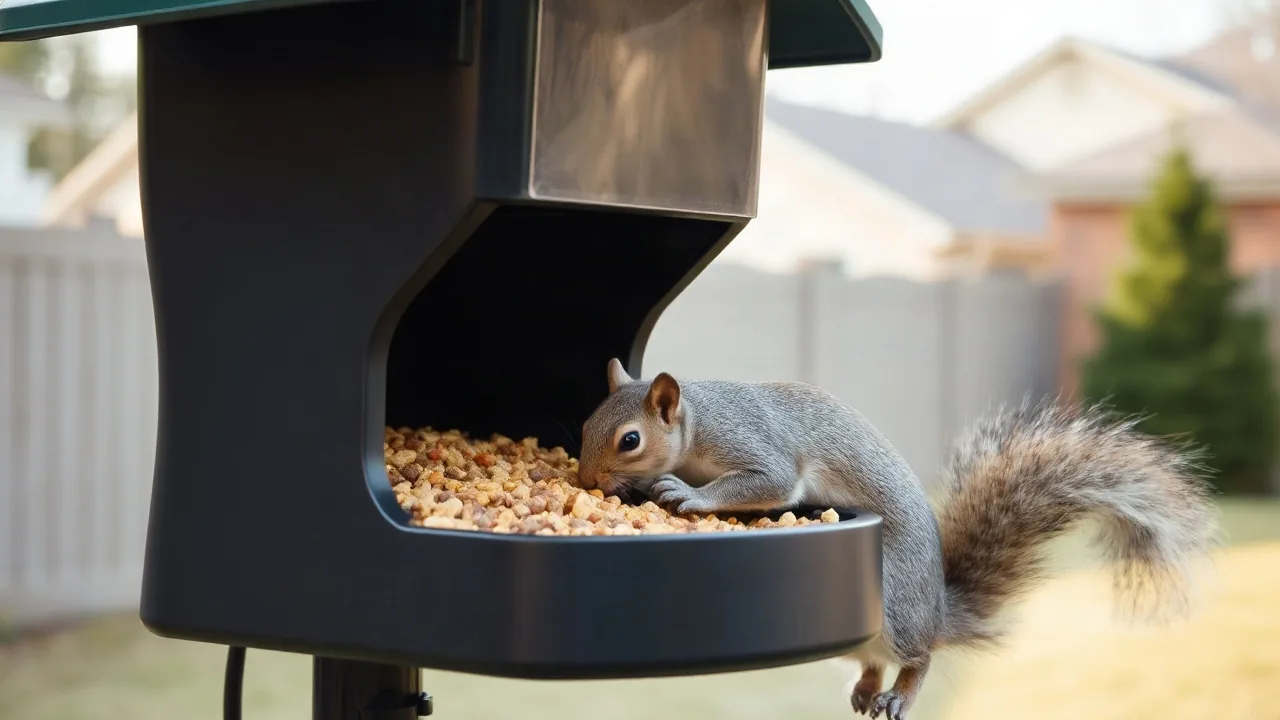
Smart bird feeders, equipped with artificial intelligence, are revolutionizing the way people observe backyard wildlife. These devices can identify thousands of bird species, record videos of visitors, and send real-time alerts to users' smartphones. However, their advanced technology comes with an unexpected drawback: they are also attracting pests such as squirrels and raccoons.
The AI technology in these feeders allows them to distinguish between different bird species, providing users with detailed information about their feathered visitors. Some models can even differentiate between a bird and a larger animal, attempting to deter non-avian guests. Despite these features, larger animals like squirrels have proven adept at accessing the food, often consuming it before birds can reach the feeder. This has led to a debate among users and manufacturers about the effectiveness and design of these high-tech bird feeders.
Challenges in Pest Deterrence
One of the primary challenges faced by AI bird feeders is effective pest deterrence. While the cameras can identify squirrels, their primary function is observation, not active prevention. Squirrels, known for their agility and persistence, can often bypass built-in deterrents. For instance, some feeders claim to have anti-squirrel mechanisms, but many users report that these are easily overcome. The cost of these smart feeders can range from $100 to over $300, making the problem of pests a significant concern for consumers who have invested in advanced technology.
The convenience of real-time alerts and species identification is a major draw for consumers. These feeders connect to Wi-Fi and use algorithms trained on vast datasets of bird imagery to identify visitors with remarkable accuracy. This allows enthusiasts to document their local bird populations and learn more about avian behavior. Companies like Birdfy and Netvue are prominent players in this market, offering various models with different features and price points.
Beyond pests, the functionality of these AI bird feeders is also being evaluated on their durability and battery life. Many are designed for outdoor use, requiring weather-resistant materials and reliable power sources, often rechargeable batteries. The success of these devices hinges on their ability to provide a seamless and informative experience for the user, while also catering to the needs of the birds they are intended to serve. The ongoing development in AI and sensor technology promises even more sophisticated features in the future, potentially addressing current limitations.