
Green Hydrogen Production Surges With Steel Innovation
Steel manufacturers are deploying breakthrough hydrogen production methods in 2026, accelerating the shift toward carbon-free industrial processes and clean energy infrastructure.

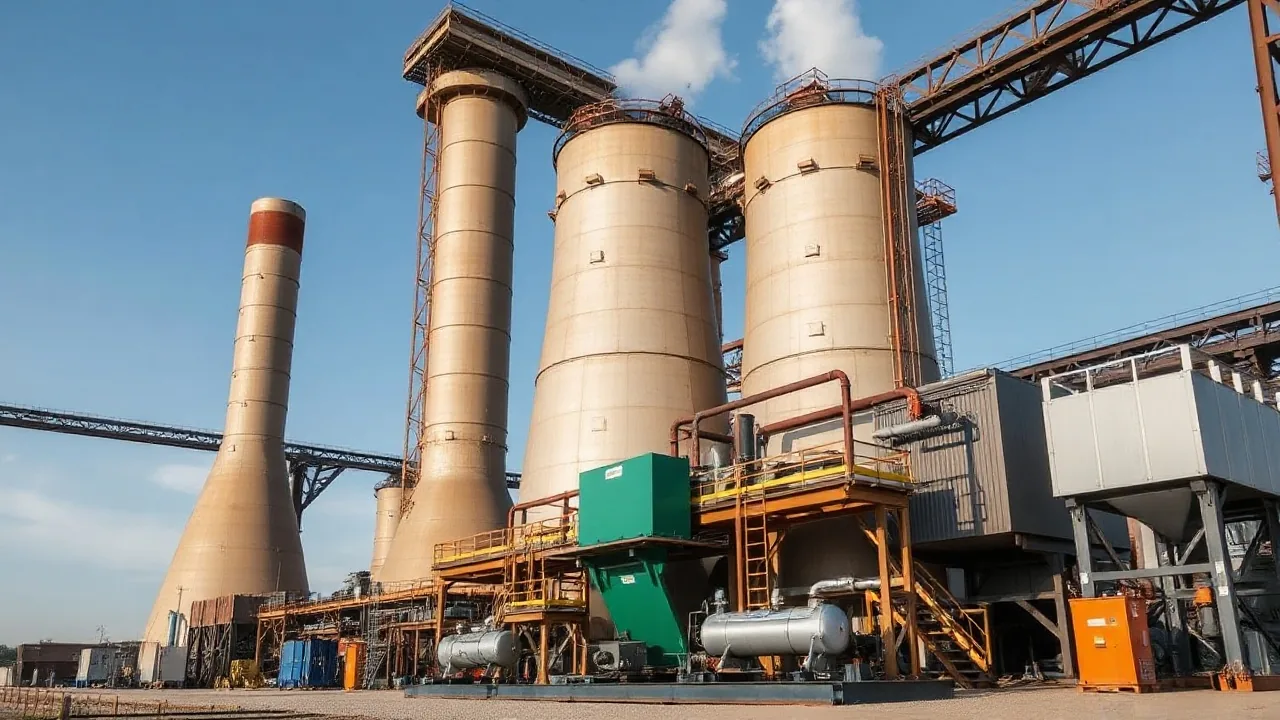
ArcelorMittal announced in July 2026 that its flagship facility in Salzburg, Austria has begun commercial operation of a green hydrogen electrolyzer integrated directly into its steel production line, marking the first full-scale deployment of its kind. The 20-megawatt system splits water using renewable electricity rather than fossil fuels, cutting the carbon footprint of steel manufacturing by up to 40 percent on that line.
The milestone represents a watershed moment for industrial green hydrogen production. Unlike gray hydrogen, which relies on methane reformation and generates 10 tons of CO2 per ton of hydrogen, this electrochemical process emits zero carbon at the point of production when powered by wind or solar. Steel mills consume roughly 2 percent of global hydrogen annually, making them prime candidates for decarbonization.
"We are not waiting for a perfect energy transition roadmap," said Maria Hernandez, Chief Sustainability Officer at ArcelorMittal, in an August 2 interview with Reuters. "This Salzburg installation proves that steel innovation and hydrogen electrochemistry can work together at commercial scale, not just in pilot projects."
How Steel Mills Are Becoming Hydrogen Hubs
The integration of electrolyzers into steelworks solves a dual problem: mills generate heat and require hydrogen for processing, and they can now source it cleanly on-site. Traditional approaches required purchasing hydrogen from external suppliers, adding cost and logistics burden. On-site production cuts intermediate steps.
In Germany, Thyssen Krupp commissioned its 10-megawatt electrolyzer at the Duisburg plant in May 2026, with plans to expand to 100 megawatts by 2029. The company estimates the upgrade will avoid 80,000 tons of CO2 annually once fully scaled. Japan's Nippon Steel and Sweden's SSAB are pursuing similar pathways, with SSAB's Oxeloesund facility targeting net-zero steel by 2030 using hydroelectric power and hydrogen reduction.
Three key factors are driving this shift:
- Falling electrolyzer costs: manufacturers are achieving 30 percent cost reductions year-over-year through scale and materials innovation.
- Regulatory pressure: the EU Carbon Border Adjustment Mechanism penalizes high-emission steel imports starting in 2026, forcing mills to cut emissions or lose market share.
- Supply chain incentives: automotive and construction firms are demanding low-carbon steel, creating premium pricing for producers who can meet those standards.
Why This Matters for the Energy Transition
Sustainable production of steel has stalled for years because the chemical process of turning ore into metal requires high temperatures and hydrogen as a reducing agent. Switching from coal-based blast furnaces to hydrogen-based direct reduction represents a fundamental redesign of a $200 billion industry.
The steel sector accounts for roughly 8 percent of global CO2 emissions. If all major producers transition to hydrogen-based processes by 2035, that alone could eliminate 2 gigatons of annual emissions. The Salzburg facility's success suggests the timeline is accelerating.
Analysts at BloombergNEF forecast that green hydrogen demand will exceed 12 million tons per year by 2030, up from 0.1 million tons in 2023. Steel mills are expected to consume 3.5 million tons of that volume, making them the primary driver of hydrogen demand growth outside of refining.
"The steel industry's move to green hydrogen is not an isolated event," said Dr. James Whitfield, Senior Analyst at the International Energy Agency, in a July 2026 report. "It demonstrates that even the most carbon-intensive heavy industries can decarbonize at scale when electrolyzer costs fall and policy creates the right incentives."
Electricity supply remains a constraint. The Salzburg electrolyzer runs primarily on wind power contracted from Alpine operators, and those contracts lock in favorable rates for 15 years. Without access to clean energy at scale, mills in regions with coal-heavy grids face higher transition costs. This is shifting investment patterns toward mills in northern Europe and Scandinavia, where hydroelectric and offshore wind resources are abundant.
Funding is flowing rapidly. The EU has allocated 3 billion euros in grants for hydrogen infrastructure through its Green Hydrogen Partnership program. The U.S. Inflation Reduction Act provides production tax credits of $3 per kilogram of green hydrogen produced domestically, incentivizing mills to invest in on-site capacity. Japan's Green Growth Strategy commits $20 billion through 2030 to hydrogen technology development.
The supply chain impact extends beyond steel. Reduced-emission steel opens doors for automotive manufacturers to claim carbon neutrality in their supply chains, critical as regulations tighten in California and the EU. Boeing and Airbus are already exploring low-carbon steel for aircraft frames. Construction firms are negotiating green steel premiums, sometimes paying 10 to 15 percent more for verifiable low-emission materials.
By 2030, the convergence of climate tech innovation and policy enforcement is expected to make gray hydrogen uncompetitive in markets with carbon pricing. That shift will force the remaining mills using fossil fuels to invest or risk obsolescence. The Salzburg model, now proven at commercial scale, provides a replicable blueprint.